
it Le integratori naturali e sicuri per l'aumento di peso offrono un'opzione basata sulla scienza per le persone che perseguono obiettivi di massa magra. Quando si valutano gli integratori naturali per l'aumento di peso, si desiderano prodotti con liste di ingredienti trasparenti, provenienza chiara e test di terze parti. Questa pagina si concentra sugli integratori naturali per l'aumento di peso, spiegando come identificare opzioni affidabili, quali evidenze cercare e considerazioni pratiche per l'uso—senza fare affermazioni sulla salute o sugli alimenti. Esempi di opzioni supportate dalla scienza discussi sotto la categoria degli integratori naturali per l'aumento di peso includono creatina monoidrato, beta‑idrossi beta‑metilbutirrato (HMB) e beta‑alanina, insieme a formule miste che mettono in evidenza ingredienti naturali. La forza delle evidenze per ogni opzione varia a seconda della popolazione e dell'obiettivo, quindi è importante revisionare il disegno dello studio, la dimensione del campione e la durata quando si valuta la scienza dietro gli integratori naturali per l'aumento di peso. Cercare prodotti con etichette precise e verifica di terze parti, e prestare attenzione a eventuali ingredienti aggiuntivi che potrebbero influire sulla tolleranza. I consigli pratici sul dosaggio per gli integratori naturali per l'aumento di peso partono dal seguire le indicazioni dell'etichetta e iniziare dalla parte inferiore della gamma raccomandata. Per la creatina monoidrato, una dose di mantenimento comune è di circa 3–5 g al giorno, con una fase di caricamento opzionale se desiderato. Per l'HMB, circa 3 g al giorno sono tipici, suddivisi in più dosi. Per la beta‑alanina, molti studi usano 2–5 g al giorno, ancora divisi per ridurre gli effetti di formicolio. Scegliere prodotti con liste di ingredienti semplici e evitare miscele esclusive o eccessive che oscurano i dettagli. Se si hanno preoccupazioni mediche o si assumono farmaci, consultare un professionista prima dell'uso. Oltre agli integratori, le strategie comprovate per l'aumento di massa magra generalmente coinvolgono un approccio strutturato all'allenamento e al recupero, insieme agli integratori naturali per l'aumento di peso. Enfatizzare l'overload progressivo in un piano di allenamento coerente, assicurare un riposo adeguato e documentare i progressi nel tempo. Utilizzare gli integratori naturali come parte di un piano più ampio e basato sulla scienza, e rivedere regolarmente il piano per adattarsi alla tolleranza, alle risposte e ai cambiamenti negli obiettivi. Collaborare con un professionista della salute o un trainer qualificato può aiutare a personalizzare le opzioni in base alla propria situazione.
Integratori Naturali per l'Aumento di Peso: Modi Sicuri ed Efficaci per Costruire Muscolo
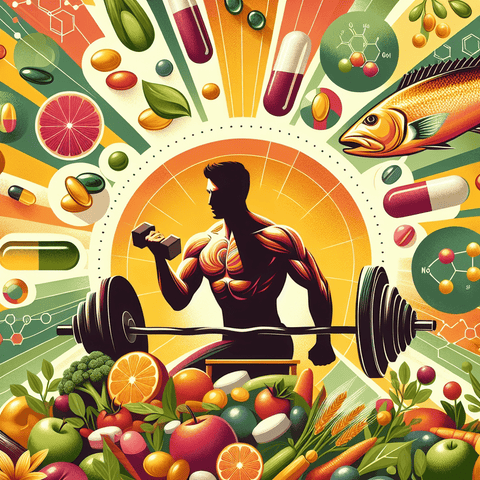
Natural weight gain supplements are products that people sometimes consider when they want to increase body weight or support lean mass goals. They typically contain ingredients such as creatine monohydrate, HMB, beta-alanine, or blended formulas that emphasize natural sourcing. This tag page offers a broad overview of the topic, including how to assess ingredient lists, what evidence to look for, and practical considerations for use. It is intended as general educational information, not personalized medical or nutritional advice.
What Are Natural Weight Gain Supplements?
The term natural weight gain supplements generally refers to products that aim to support muscle size or body weight through ingredients that are not synthetic drugs. They may be single-ingredient products or blends. Common examples include creatine monohydrate, HMB, and beta-alanine. Some formulas also include protein, carbohydrates, vitamins, or minerals. Because the term “natural” is not strictly regulated in every context, reading the ingredient list and understanding what each component is can help you make a more informed choice.
Why People Explore These Supplements
Individuals may look into natural weight gain supplements for a variety of reasons. Some are pursuing strength or muscle-building goals, while others may have difficulty increasing calorie intake and want additional support. Supplements are not a replacement for a balanced diet or a structured training plan. Instead, they are often positioned as a complement to broader efforts that include adequate nutrition, resistance training, recovery, and consistency. Expectations should be realistic, and individual responses can differ.
Main Types and Ingredients
Several ingredients appear frequently in discussions about natural weight gain supplements. Each has its own context of use and evidence base.
- Creatine monohydrate: One of the most studied sports nutrition ingredients, often associated with strength and power output in resistance training contexts.
- HMB (beta-hydroxy beta-methylbutyrate): A metabolite of the amino acid leucine, sometimes discussed in relation to muscle protein balance and recovery.
- Beta-alanine: An amino acid that acts as a precursor to carnosine, which is involved in muscle buffering during high-intensity exercise.
- Blended formulas: Products that combine multiple ingredients, sometimes with added protein, carbohydrates, vitamins, or minerals.
How to Evaluate Evidence and Quality
The strength of evidence for any ingredient or formula can vary depending on the population studied, the outcome measured, and the study design. When reviewing claims, it can help to look at whether the research involved humans, how long the study lasted, and whether the results were consistent across multiple studies. Transparent labeling, precise ingredient quantities, and third-party testing are practical quality indicators. Products with proprietary blends may obscure how much of each ingredient is present, which can make evaluation more difficult.
Practical Considerations for Use
If you decide to explore natural weight gain supplements, general considerations include following the product label, starting at the lower end of any suggested range, and being mindful of additional ingredients that could affect tolerance. For reference, creatine monohydrate is commonly discussed at around 3–5 g per day, HMB at about 3 g per day divided across doses, and beta-alanine at 2–5 g daily, also divided to reduce tingling. These are general examples from the source material and not personal dosage recommendations. Anyone with medical concerns or taking medication should consult a healthcare professional before use.
Beyond Supplements: Training and Recovery
Supplements are only one part of a broader approach to lean mass goals. Proven strategies generally include a structured training plan with progressive overload, adequate rest and recovery, and consistent documentation of progress. Nutrition also plays a central role, and some people may benefit from working with a qualified trainer or dietitian to tailor their plan. Natural weight gain supplements may be used alongside these strategies, but they are not a shortcut. Revisiting your plan regularly can help you adjust for tolerance, responses, and changing goals.
Exploring Related Categories
For those interested in the broader context of sports nutrition and related supplement types, exploring additional categories can be helpful. You can browse our sports supplements guide and amino acid supplements for related product information. These categories may provide useful context as you research natural weight gain supplements and other options.