
it
Qualità Nutrizionale Svelata: Come Scegliere Alimenti con la Massima Nutrizione per una Salute Ottimale
Nov 01, 2025
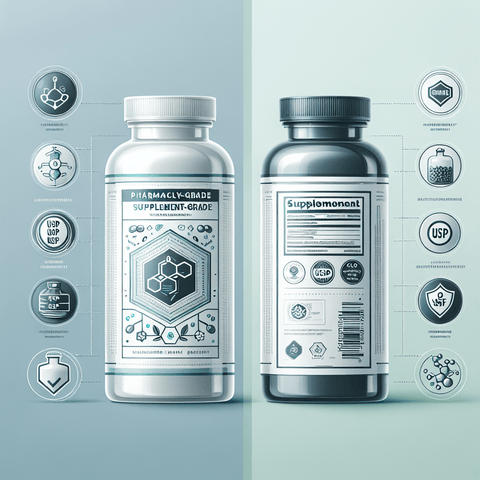
Le vitamine da farmacia non sono automaticamente migliori di quelle acquistate al supermercato o online. La qualità dipende soprattutto da etichetta, formulazione, dose, tracciabilità e controlli del produttore. In questa guida confrontiamo canali di vendita e integratori alimentari, spieghiamo quando la forma del nutriente può essere importante e offriamo criteri pratici per scegliere in modo consapevole, considerando anche possibili interazioni e situazioni che richiedono il parere di un professionista.
What Is Nutrient Quality?
Nutrient quality is a way of describing how well a food, meal or dietary pattern delivers essential nutrients in relation to the energy it provides and the overall needs of the body. It is a broader concept than simply checking whether a food contains a particular vitamin or mineral. Nutrient quality considers the density of nutrients per calorie, the balance among different nutrients, and the extent to which those nutrients are available for the body to use.
A food with high nutrient quality generally provides a wide range of vitamins, minerals, fibre and other beneficial compounds relative to its energy content, with limited added sugars, refined starches or unhealthy fats. However, nutrient quality is not an all-or-nothing property. Different foods contribute different nutrients, and overall diet quality depends on the combination of foods consumed over time rather than on any single item.
Understanding nutrient quality helps readers move beyond single-nutrient thinking. It supports a more holistic view of nutrition that considers food matrices, processing, bioavailability and dietary patterns. This page provides a broad overview of the topic and introduces the main factors that influence nutrient quality in modern food systems.
Why Nutrient Quality Has Become a Major Nutrition Topic
Interest in nutrient quality has grown as researchers, healthcare professionals and consumers seek to understand how food choices affect long-term health. At the same time, concerns have been raised about whether the nutrient content of some foods has changed over time. Studies have examined historical nutrient data and suggested that certain vitamins and minerals in some crops may have declined over several decades, though the findings vary by nutrient, crop and region.
Several interrelated factors may contribute to these changes. Soil health and agricultural practices can influence the mineral content of crops. Plant breeding has often prioritised yield, appearance, disease resistance and shelf life, which may sometimes affect nutrient concentration. Food processing and storage can also reduce certain vitamins. At the same time, modern food systems have improved availability, safety and year-round access to a wide range of foods, which also affects overall nutrient intake.
For readers, the practical takeaway is not to focus on alarming headlines but to understand that nutrient quality is influenced by many factors across the food supply chain. This context can help in interpreting nutrition research and making informed choices that support a varied, nutrient-rich diet.
Nutrient Density: A Core Dimension of Nutrient Quality
Nutrient density is closely related to nutrient quality. It typically refers to the amount of essential nutrients a food provides per unit of energy, usually per 100 calories or per serving. Foods that are nutrient-dense deliver a relatively high level of vitamins, minerals, fibre and other beneficial components for the calories they contain. Examples often include vegetables, fruits, legumes, whole grains, lean proteins, nuts and seeds.
Energy-dense foods, by contrast, provide many calories with relatively few nutrients. These may include foods high in added sugars, refined grains or solid fats. However, nutrient density is not the only measure of a healthy diet. Some energy-dense foods can still contribute valuable nutrients, and some nutrient-dense foods may be low in calories but not appropriate as the sole basis of a diet. Overall dietary patterns, portion sizes and individual needs also matter.
A practical way to think about nutrient density is to compare foods within the same category. For example, comparing a whole-grain bread with a refined white bread, or a plain yogurt with a sweetened dessert yogurt, can illustrate differences in nutrient quality. These comparisons are more useful than judging individual foods in isolation.
How Processing Affects Nutrient Quality
Food processing covers a wide range of methods, from minimal steps such as washing, cutting and freezing to more intensive processes such as refining, extrusion and the addition of preservatives, flavours and other ingredients. The effect on nutrient quality depends on the specific process, the food and the nutrient in question.
Some processing methods can reduce certain vitamins. For example, milling grains to produce white flour removes the bran and germ, which contain fibre, B vitamins, vitamin E and minerals. Canning, drying and high-heat cooking can also lead to losses of water-soluble vitamins such as vitamin C and some B vitamins. On the other hand, processing can sometimes improve nutrient availability. Cooking tomatoes, for instance, can increase the bioavailability of lycopene, and fermentation can enhance the availability of certain minerals.
Ultra-processed foods, which often contain many industrial ingredients and additives, tend to have lower nutrient density and higher levels of added sugars, sodium and unhealthy fats. However, the category is broad, and some fortified or reformulated products can contribute meaningful nutrients. For readers, the most practical approach is to consider the overall pattern of processing in the diet rather than classifying every food as simply processed or unprocessed.
Soil Health, Farming Practices and Nutrient Quality
The nutrient content of plants depends partly on the soil in which they grow. Soil provides essential minerals such as calcium, magnesium, potassium, iron, zinc and selenium, which plants take up and incorporate into their tissues. Soil health, including organic matter content, microbial activity and mineral balance, can influence how efficiently plants access these nutrients.
Different farming practices can affect soil health and, in turn, nutrient quality. Practices such as crop rotation, cover cropping, reduced tillage and organic amendments are generally associated with improved soil biology and structure. Conventional farming may rely more on synthetic fertilisers that supply specific nutrients, which can support yield but may not always maintain the full spectrum of soil minerals over time.
It is important to note that the relationship between farming practices and nutrient content is complex and not fully settled. Studies comparing organic and conventional foods have found some differences in certain nutrients, but results are mixed and vary by crop, location and measurement methods. For consumers, supporting diverse farming systems and focusing on overall diet quality is likely more practical than trying to optimise nutrient quality through a single farming method.
Nutrient Quality Across Food Categories
Nutrient quality varies widely across food groups. No single food or category provides all essential nutrients, which is why dietary variety is important. The following list outlines broad patterns, though individual foods within each category can differ significantly.
- Vegetables and fruits: generally high in vitamins, minerals, fibre and phytonutrients, with relatively low energy density. Leafy greens, cruciferous vegetables and berries are often highlighted for their nutrient density.
- Whole grains: provide B vitamins, vitamin E, magnesium, iron, zinc and fibre. Refined grains lose much of these nutrients during milling, although some are added back through fortification.
- Legumes: rich in plant protein, fibre, folate, iron and potassium. They are nutrient-dense and associated with a range of health benefits in observational studies.
- Nuts and seeds: provide healthy fats, vitamin E, magnesium, zinc, selenium and fibre. They are energy-dense but nutrient-rich, and portion size matters.
- Animal products: meat, fish, eggs and dairy provide high-quality protein, vitamin B12, iron, zinc, iodine and other nutrients. Nutrient quality varies with feed, farming and processing.
- Fortified foods: some breakfast cereals, plant milks and spreads are fortified with vitamins and minerals, which can improve nutrient quality for specific groups.
When comparing foods, it can help to look at the overall nutrient profile rather than focusing on one nutrient. For example, a food high in vitamin C may be low in protein, while a food high in protein may lack fibre. A varied diet that includes all food groups in appropriate proportions is generally the most reliable way to support nutrient quality.
Practical Framework for Assessing Nutrient Quality
Assessing nutrient quality does not require advanced tools or perfect knowledge. A simple, consistent approach can help readers make more informed choices without becoming overwhelmed. The following steps outline a practical framework.
- Start with whole and minimally processed foods. These tend to retain more of their natural nutrient content and are often more nutrient-dense than highly refined alternatives.
- Read the nutrition facts panel and ingredient list. Compare similar products for their levels of vitamins, minerals, fibre, protein, added sugars, sodium and saturated fat.
- Consider the degree of processing. Generally, foods with shorter ingredient lists and recognisable components tend to have higher nutrient quality, though this is a broad guideline rather than a strict rule.
- Think about variety over time. Different foods provide different nutrients, so rotating choices across food groups helps cover a broader nutrient spectrum.
- Use front-of-pack labels as a starting point, but verify with the full nutrition panel. Labelling schemes vary and may emphasise different nutrients or food components.
- Adjust for personal needs and preferences. Age, sex, activity level, health status and dietary patterns influence nutrient requirements, so individual guidance may be needed.
This framework is not intended to produce a score or ranking. Its purpose is to support consistent, informed decision-making that gradually improves dietary patterns. Small, sustainable changes are often more effective than trying to achieve perfect nutrient quality at every meal.
How Supplements Fit Into the Nutrient Quality Picture
Supplements can play a role in filling nutrient gaps when dietary intake is insufficient, but they are not a substitute for a varied, nutrient-rich diet. Nutrient quality from foods involves complex interactions among nutrients, fibre and other compounds that supplements cannot fully replicate. For some people, such as those with specific dietary restrictions, increased requirements or diagnosed deficiencies, supplements may be recommended by a healthcare professional.
When considering supplements, quality matters. Third-party testing, reputable manufacturers and clear labelling can help ensure that a product contains what it claims and is free from contaminants. If you are exploring supplement options, you can browse our natural supplements collection or our multivitamins guide for more information. For broader coverage of individual nutrients, our mineral supplements guide provides an overview of key minerals and their roles. Always speak with a qualified healthcare provider before starting any new supplement, especially if you take medication or have a health condition.
Common Questions About Nutrient Quality
Readers often have similar questions when they first explore nutrient quality. The following answers provide brief, high-level responses. More detailed discussions of specific topics can be found in related articles.
What are the main types of nutrients?
Nutrients are commonly grouped into macronutrients and micronutrients. Macronutrients include carbohydrates, proteins and fats, which provide energy and building blocks for the body. Micronutrients include vitamins and minerals, which are required in smaller amounts for numerous physiological functions. Water and fibre are also essential components of a healthy diet. Within these groups, there are many individual nutrients, each with specific roles and food sources.
What does nutritional quality mean?
Nutritional quality is a broad term that describes how well a food or diet meets nutrient needs. It encompasses nutrient density, the balance of nutrients, the presence of beneficial compounds such as fibre and phytonutrients, and the absence or limited presence of components that may be harmful in excess, such as added sugars, sodium and saturated fat. Nutritional quality is not determined by a single number or score but by the overall pattern of foods consumed.
Is peanut butter good for you?
Peanut butter can be part of a healthy diet when consumed in appropriate portions and chosen wisely. Peanuts are rich in protein, healthy fats, vitamin E, magnesium and fibre. However, many commercial peanut butters contain added sugars, hydrogenated oils and salt, which can lower nutrient quality. Choosing a product with minimal ingredients, ideally just peanuts and perhaps salt, can help maintain higher nutrient quality. As with all foods, context and overall dietary pattern matter.
Building Sustainable Habits Around Nutrient Quality
Improving nutrient quality is not about achieving perfection or eliminating entire food groups. It is about making gradual, sustainable changes that support a varied and balanced diet. Planning meals around a variety of whole foods, preparing them in ways that preserve nutrients, and being mindful of portion sizes can all contribute. Keeping a short list of reliable criteria for shopping and cooking can simplify decisions and reduce the mental load of evaluating every option.
Reflecting on daily and weekly patterns can also help. For example, noticing whether meals consistently include vegetables, fruits, whole grains, lean proteins and healthy fats can guide adjustments. Small improvements, such as swapping a refined grain for a whole grain or choosing a less processed snack, can add up over time. The goal is to build awareness and flexibility, not to follow rigid rules.
Exploring Further: Related Topics and Resources
Nutrient quality connects to many other areas of nutrition and health. Readers interested in specific nutrients may find our guides on superfoods, probiotics and prebiotics and antioxidants useful. For a broader perspective on dietary patterns, the scientific literature from organisations such as the National Institutes of Health (NIH), the U.S. Department of Agriculture (USDA) and peer-reviewed journals like Frontiers in Nutrition and ScienceDirect can provide evidence-based insights. This page is intended as a general overview and does not replace personalised advice from a qualified healthcare professional.