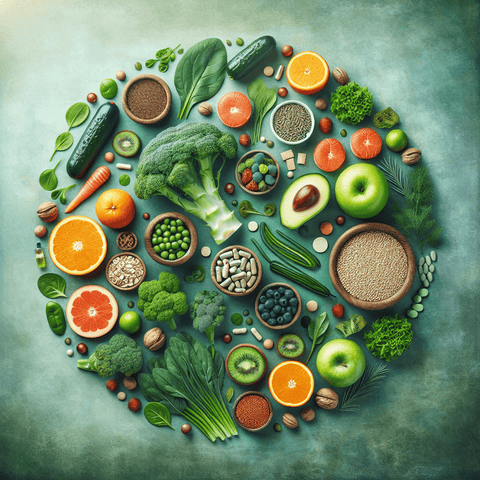
Gli snack energetici sani sono quelli che combinano carboidrati complessi, proteine, grassi sani e fibre per fornire energia stabile e duratura. Non esiste un singolo alimento miracoloso: è la combinazione dei nutrienti e la scelta di alimenti il meno possibile raffinati a fare la differenza per avere energia durante la giornata.
Cosa rende uno snack davvero energetico e sano
Il criterio principale è la densità nutrizionale: uno snack energetico sano apporta molte sostanze utili in rapporto alle calorie. Vitamine, minerali, fibre, proteine e grassi sani sono ciò che distingue uno spuntino che sostiene davvero l'organismo da uno che si limita a riempire lo stomaco.
Gli snack ricchi di zuccheri semplici e grassi saturi tendono a fornire calorie vuote ed energia rapida ma di breve durata. Al contrario, gli snack a base di carboidrati complessi, proteine e grassi sani vengono assorbiti più lentamente e possono sostenere l'energia in modo più costante nell'arco della giornata.
Fibre e proteine contribuiscono a prolungare il senso di sazietà e sono associate a livelli di glicemia più stabili dopo il pasto. Si tratta di un'associazione e non di un effetto garantito: la risposta individuale varia in base alla dieta complessiva, all'attività fisica e ad altri fattori personali.
- Proteine: sostengono i muscoli e aumentano il senso di sazietà
- Grassi sani: da frutta secca, semi e avocado, rallentano la digestione
- Fibre: da frutta, verdura e cereali integrali, favoriscono la salute digestiva
- Micronutrienti: vitamine e minerali come magnesio e vitamine del gruppo B coinvolti nella produzione di energia
I migliori snack energetici da avere sempre a portata di mano
Ecco alcune idee pratiche di snack energetici sani, organizzate per tipo. La scelta migliore dipende dal momento della giornata, dal tempo a disposizione e dalle preferenze personali.
- Banane: energia rapida grazie agli zuccheri naturali e al potassio
- Frutta secca e semi: grassi sani, proteine e magnesio
- Yogurt greco: proteine e probiotici per la sazietà
- Uova sode: proteine complete e pratiche
- Hummus con verdure: fibre e proteine vegetali
- Ceci arrostiti: carboidrati complessi e fibre
- Barrette con ingredienti riconoscibili e senza zuccheri aggiunti
- Bastoncini di verdura con hummus
Snack a base di frutta
La frutta è una scelta rapida per avere energia grazie agli zuccheri naturali e alle vitamine. Per prolungare la sazietà, è utile abbinarla a una fonte di proteine o di grassi sani: una mela con burro di mandorle o una banana con qualche mandorla sono esempi semplici ed efficaci.
Snack proteici
Le proteine aiutano a fornire energia più stabile e favoriscono il senso di sazietà. Lo yogurt greco, le uova sode e il formaggio magro sono opzioni pratiche, abbinabili a frutta, verdura o pane integrale per uno spuntino completo.
Snack da portare con sé
Quando si ha poco tempo o si è in movimento, le opzioni pratiche fanno la differenza. La frutta secca in porzioni singole, le barrette con ingredienti riconoscibili e i bastoncini di verdura con hummus sono scelte facili da trasportare e relativamente bilanciate.
Come abbinare gli alimenti per un'energia duratura
Abbinare un carboidrato a una proteina o a un grasso sano aiuta a rallentare la digestione, a prolungare la sazietà e a mantenere più stabili i livelli di energia. Questo approccio riduce anche il ricorso a snack ricchi di zuccheri semplici, che spesso si accompagnano a cali di energia poco dopo il consumo.
- Mela a fette con burro di mandorle
- Bastoncini di verdura con hummus
- Yogurt greco con frutti di bosco e noci
- Pane integrale con avocado
- Ricotta con frutta e semi
Quando e quanto mangiare: tempistiche e porzioni
Gli spuntini sono più utili tra i pasti principali, prima o dopo l'attività fisica, oppure quando si avverte un calo di energia. La quantità conta: preparare le porzioni in anticipo aiuta a evitare di mangiare più del necessario, soprattutto con alimenti calorici come la frutta secca. Ascoltare i segnali di fame e sazietà del proprio corpo resta il criterio più affidabile.
- Preparare porzioni singole in contenitori o sacchetti
- Consumare uno spuntino quando si avverte un calo di energia
- Scegliere porzioni moderate di frutta secca (circa una manciata)
- Mangiare lentamente e senza distrazioni per riconoscere la sazietà
Snack energetici e attività fisica
Prima dell'allenamento possono essere utili snack ricchi di carboidrati facilmente digeribili, che forniscono energia rapida senza appesantire. Dopo l'attività fisica, una combinazione di proteine e carboidrati può supportare il recupero. Queste indicazioni non garantiscono prestazioni specifiche: il fabbisogno varia da persona a persona e dipende dall'intensità, dalla durata e dal tipo di attività.
- Prima dell'allenamento: banana, pane integrale con miele
- Dopo l'allenamento: yogurt greco con frutta, uova sode con pane integrale
- Per allenamenti lunghi: frutta secca e frutta disidratata
Domande frequenti sugli snack energetici
Cosa mangiare a merenda per avere energia? Yogurt greco con frutta e frutta secca, oppure pane integrale con avocado, sono opzioni bilanciate che combinano carboidrati, proteine e grassi sani.
Qual è il cibo che ti dà più energia? Non esiste un singolo alimento migliore in assoluto: la combinazione di nutrienti, il momento della giornata e le esigenze individuali determinano ciò che funziona meglio per ognuno.
Quale alimento dà subito energia? Frutta e carboidrati semplici, come una banana o del pane con miele, forniscono energia rapidamente. Questo effetto è di breve durata se non vengono abbinati a proteine o grassi sani.
Qual è il miglior spuntino proteico? Yogurt greco, uova sode e frutta secca sono tra le opzioni più pratiche e nutrienti, facilmente abbinabili ad altri alimenti per uno spuntino completo.
Integratori e lacune nutrizionali negli snack
Gli integratori non sostituiscono una dieta equilibrata e non devono essere usati per curare o prevenire malattie. In alcune situazioni possono rappresentare un supporto secondario per colmare lacune nutrizionali: diete restrittive, età avanzata, attività fisica intensa o condizioni mediche diagnosticate che influenzano l'assorbimento dei nutrienti.
In questi casi, può essere utile consultare un professionista sanitario prima di iniziare un'integrazione per carenze specifiche. La prima scelta resta comunque quella di alimenti integrali e variati. Per orientarsi tra i nutrienti più rilevanti per le esigenze individuali, è disponibile una guida ai multivitaminici che può aiutare a comprendere meglio le opzioni disponibili.
- Diete restrittive come veganesimo o piani molto ipocalorici
- Età avanzata con maggiori necessità di vitamina D e calcio
- Atleti ad alta intensità con maggiori richieste di proteine ed elettroliti
- Condizioni mediche diagnosticate che influenzano l'assorbimento dei nutrienti
Per chi cerca un supporto mirato, esistono integratori naturali formulati per esigenze specifiche. Inoltre, i superfood sono alimenti ricchi di nutrienti che possono essere aggiunti a frullati o yogurt per arricchire gli snack quotidiani.