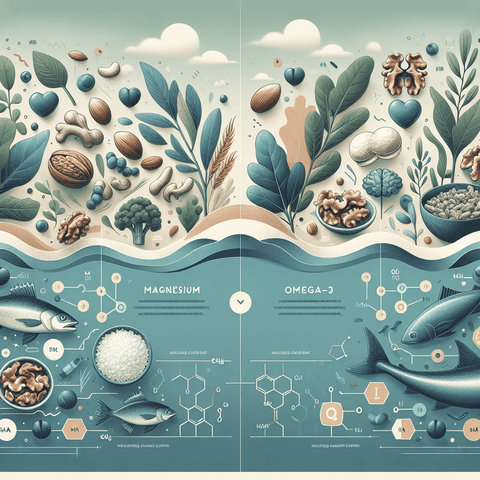
Gli Omega-3 sono grassi polinsaturi essenziali che supportano il benessere di cuore, cervello e occhi. I vantaggi più documentati sono legati in particolare a EPA e DHA, due acidi grassi che l'organismo utilizza per diverse funzioni strutturali e di segnalazione. Non si tratta di una cura per alcuna condizione, ma di un supporto nutrizionale al benessere generale da inserire in uno stile di vita equilibrato.
Che cosa sono gli Omega-3 e perché sono essenziali
Gli Omega-3 sono grassi polinsaturi essenziali: l'organismo non è in grado di produrne in quantità sufficienti e deve quindi introdurli con l'alimentazione. Si distinguono tre tipi principali, con caratteristiche e fonti diverse.
- ALA: presente in semi di lino, semi di chia e noci
- EPA: presente nel pesce grasso e nelle alghe
- DHA: presente nel pesce grasso e nelle alghe, importante per cervello e retina
I benefici più studiati sono legati soprattutto a EPA e DHA, poiché la conversione dell'ALA in questi due acidi grassi è poco efficiente. Per questo molte persone non raggiungono le quantità raccomandate con la sola alimentazione, soprattutto se consumano poco pesce.
Il ruolo di EPA, DHA e ALA
EPA e DHA svolgono ruoli diretti nella struttura delle membrane cellulari e nei processi di segnalazione dell'organismo. L'ALA può essere convertito in EPA e DHA, ma in modo inefficiente: solo una piccola parte viene effettivamente trasformata. Per questo l'assunzione diretta di EPA e DHA tramite pesce grasso, alghe o integratori è la via più pratica per garantirne un apporto adeguato.
I principali vantaggi degli Omega-3 per la salute
Gli Omega-3 sono tra i nutrienti più studiati e i loro effetti riguardano diversi sistemi dell'organismo. I principali ambiti di interesse sono il supporto cardiovascolare, la funzione cognitiva, la salute degli occhi e la gestione dell'infiammazione. È importante distinguere le evidenze consolidate, come l'associazione con pressione sanguigna e trigliceridi, da quelle plausibili ma non definitive. In ogni caso, questi vantaggi vanno considerati nel contesto di uno stile di vita equilibrato e non come cura per alcuna condizione.
- Supporto alla salute del cuore e del sistema cardiovascolare
- Funzione cognitiva e salute del cervello
- Salute degli occhi e integrità strutturale della retina
- Gestione dell'infiammazione sistemica
Supporto alla salute del cuore
EPA e DHA sono associati al mantenimento di una pressione sanguigna sana e di livelli di trigliceridi equilibrati. Si tratta di un supporto al benessere cardiovascolare e non di un trattamento per patologie cardiache. In presenza di condizioni cardiovascolari o di assunzione di farmaci, è opportuno parlarne con il proprio medico prima di iniziare un integratore.
Funzione cognitiva e salute del cervello
Il DHA è un componente strutturale importante del cervello e un'assunzione adeguata supporta lo sviluppo cognitivo e il mantenimento della funzione neuronale. Si tratta di aree di ricerca attiva e le risposte individuali possono variare: un apporto costante nel tempo è generalmente considerato più rilevante di un'assunzione occasionale.
Salute degli occhi
Il DHA è un componente strutturale della retina e risulta importante per il mantenimento della funzione visiva. Parlare di supporto nutrizionale non significa attribuire agli Omega-3 un effetto terapeutico su specifiche patologie oculari: si tratta di un contributo al normale funzionamento dell'organismo.
Gestione dell'infiammazione
Gli Omega-3, in particolare l'EPA, hanno proprietà antinfiammatorie e influenzano le molecole di segnalazione che regolano l'infiammazione. Questo può essere rilevante per persone con stili di vita attivi, senza che ciò implichi un effetto terapeutico. L'infiammazione è un processo complesso, da valutare nel contesto generale della salute individuale.
Fonti naturali di Omega-3
Le fonti di Omega-3 si dividono principalmente in marine e vegetali. Le prime sono ricche di EPA e DHA già formati, mentre le seconde forniscono soprattutto ALA. Conoscere questa differenza aiuta a capire quali alimenti contribuiscono maggiormente all'apporto di EPA e DHA.
- Salmone, sgombro e sardine come fonti marine di EPA e DHA
- Semi di lino, semi di chia e noci come fonti vegetali di ALA
- Alghe come fonte vegetale di EPA e DHA già formati
Fonti marine: il pesce grasso
Il pesce grasso come salmone, sgombro e sardine è tra le fonti più ricche di EPA e DHA. Molte raccomandazioni suggeriscono di consumarne almeno due porzioni a settimana. Per chi non consuma pesce regolarmente, raggiungere queste quantità può risultare difficile, ed è qui che l'integrazione può rappresentare un'opzione.
Fonti vegetali: la sfida dell'ALA
Semi di lino, semi di chia e noci forniscono ALA, ma la conversione in EPA e DHA è inefficiente. Per chi segue una dieta vegetariana o vegana, le alghe possono rappresentare una fonte di EPA e DHA già formati, utili per integrare l'apporto senza ricorrere a fonti animali.
Integratori di Omega-3 e segnali di carenza
L'integrazione può aiutare a colmare il divario nutrizionale per chi non consuma pesce regolarmente o non raggiunge le quantità raccomandate con la dieta. Un apporto costante nel tempo è generalmente preferibile a un'assunzione saltuaria. È però importante ricordare che i segnali di livelli bassi non sono specifici e che la diagnosi richiede una valutazione professionale.
- Pelle secca, capelli fragili, stanchezza o difficoltà di concentrazione come possibili segnali
- Importanza di una valutazione professionale per confermare una carenza
- Ruolo dell'integrazione nel colmare un apporto alimentare insufficiente
Segnali di livelli bassi di Omega-3
Tra i possibili segnali di livelli bassi di Omega-3 si citano pelle secca, capelli fragili, stanchezza o scarsa concentrazione. Questi sintomi sono comuni anche in altri squilibri nutrizionali e non sono specifici. Non è facile identificare una carenza senza un esame del sangue: la diagnosi richiede una valutazione professionale.
Il ruolo degli integratori
Un integratore può aiutare a colmare un apporto alimentare costantemente insufficiente. Nella scelta è importante puntare su prodotti di qualità, puri e senza soia. In caso di dubbi, condizioni particolari o assunzione di farmaci, è consigliabile consultare un professionista sanitario.
Come scegliere un integratore di Omega-3 di qualità
Non tutti gli integratori di Omega-3 sono uguali: differiscono per fonte, struttura chimica e contenuto di principi attivi. La scelta dipende da preferenze personali, dieta e tollerabilità. Conoscere le differenze tra olio di pesce, olio di krill e olio di alghe aiuta a orientarsi.
- Olio di pesce: fonte comune e ben studiata di EPA e DHA
- Olio di krill: Omega-3 legati ai fosfolipidi, che possono favorire l'assorbimento
- Olio di alghe: fonte vegetale di EPA e DHA già formati, adatta a diete plant-based
Olio di pesce, olio di krill e olio di alghe
L'olio di pesce è una fonte comune e ben compresa di EPA e DHA. L'olio di krill fornisce Omega-3 legati ai fosfolipidi, che possono favorire l'assorbimento. L'olio di alghe è una scelta adatta a chi segue una dieta plant-based, poiché offre EPA e DHA già formati da una fonte vegetale.
Criteri per scegliere un prodotto di qualità
È consigliabile controllare la quantità di EPA e DHA attivi indicata sul pannello dei valori nutrizionali, non solo il contenuto totale di olio. Cercare indicatori di qualità come test di terze parti e verifiche sull'assenza di contaminanti può aiutare a scegliere un prodotto affidabile. Un integratore di qualità dovrebbe inoltre riportare chiaramente la fonte degli Omega-3 e le modalità di conservazione.
Domande frequenti sugli Omega-3
Cosa succede assumendo Omega-3 ogni giorno? Un apporto costante può supportare il benessere generale, ma le risposte variano tra individui. Quali sono i segnali che indicano la necessità di Omega-3? Pelle secca, capelli fragili, stanchezza o difficoltà di concentrazione, anche se non sono sintomi specifici. Con cosa non associare gli Omega-3? È opportuno consultare un professionista prima di combinarli con farmaci, in particolare anticoagulanti o antiaggreganti. Due uova bastano per gli Omega-3? Contengono una quantità limitata e il pesce grasso resta una fonte più ricca. Per quanto riguarda diabete, reflusso e prostata, gli Omega-3 sono un supporto nutrizionale e non un trattamento: in queste situazioni è sempre consigliabile consultare un medico.