
It is an active area of scientific interest to explore omega-3s and the microbiome, encouraging readers to consider how dietary fats relate to the gut ecosystem. Omega-3s, such as EPA and DHA found in fish oils, are studied alongside the microbiome—the collective community of microorganisms and their genes in the digestive tract. This topic is framed by describing how researchers define omega-3s and microbiome, the types of evidence collected, and the questions guiding current research. Within the study of omega-3s and microbiome, scientists examine how these fats may interact with microbial communities, influence microbial gene expression, and affect the array of metabolites produced in the gut. The goal is to describe possible mechanisms and observed patterns without making definitive claims. Context is important, with factors like dosage, formulation, dietary background, and individual differences shaping the interpretation of findings. Research methods used include metagenomics to profile microbial genes, metabolomics to catalog small-molecule products, and various model systems ranging from controlled human studies to animal and in vitro experiments. The evidence base is diverse and continually evolving, and researchers highlight the importance of careful study design, measurement techniques, and acknowledging limitations when drawing conclusions about the relationships in this area. For those seeking a science-based understanding, evaluating the literature on omega-3s and microbiome involves seeking peer-reviewed publications, assessing study quality and scope, and considering the broader context of fatty acid biology and gut ecology. This area remains an ongoing field of inquiry, with advances in sequencing, analytics, and data integration continually expanding what is known about omega-3s and microbiome.
Omega-3 e il tuo microbioma: come gli oli di pesce migliorano la salute dell'intestino
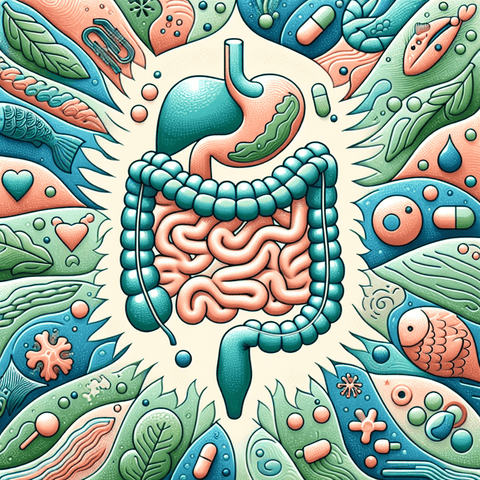
Omega-3s and the microbiome is a topic that brings together two important areas of nutritional science: fatty acid biology and gut ecology. Omega-3s are a group of polyunsaturated fats that includes eicosapentaenoic acid (EPA) and docosahexaenoic acid (DHA), commonly found in fish oils and certain other dietary sources. The microbiome is the collective community of microorganisms—bacteria, fungi, viruses, and their genes—that live in and on the body, with the largest populations residing in the digestive tract. Researchers study omega-3s and the microbiome together because diet is a major factor that can influence the composition and activity of gut microorganisms, and dietary fats are one component of that broader picture. This page provides a broad overview of the topic, covering key definitions, why the relationship is studied, the main research approaches, and practical considerations for readers who want to understand the science at a high level.
What Are Omega-3s and the Microbiome?
Omega-3s are essential fatty acids, meaning they must be obtained from the diet because the body cannot produce them efficiently. The most studied omega-3s are EPA and DHA, which are found in oily fish, fish oils, and some algal sources. Alpha-linolenic acid (ALA) is another omega-3 found in plant sources such as flaxseed and walnuts, though it is converted to EPA and DHA only to a limited extent in the body. These fats are incorporated into cell membranes and play roles in various physiological processes.
The microbiome refers to the trillions of microorganisms that colonise the gastrointestinal tract, along with their genetic material. This community includes bacteria, archaea, fungi, and viruses. The gut microbiome is involved in breaking down dietary components, producing metabolites, interacting with the immune system, and influencing many aspects of host physiology. Because diet is one of the strongest modulators of the gut microbiome, researchers are interested in how specific dietary components—including omega-3 fats—may relate to microbial composition and function.
Why Omega-3s and Microbiome Research Is Relevant
The relationship between omega-3s and the gut microbiome is relevant to broader discussions about digestion, inflammation, and overall wellness. Some studies have explored whether omega-3 fats may influence the gut environment by interacting with microbial communities, affecting microbial gene expression, or altering the spectrum of metabolites produced in the digestive tract. Conversely, the microbiome may influence how dietary fats are metabolised and how they affect the body.
These potential interactions are complex and are shaped by factors such as dosage, formulation, dietary background, and individual variation. The evidence base for omega-3s and microbiome is diverse and evolving, drawing from controlled human studies, animal models, and in vitro experiments. Researchers emphasise careful consideration of study design, measurement techniques, and limitations when drawing conclusions about relationships in this area. This page does not provide medical advice, but it offers a science-based orientation to the topic.
Key Dimensions of Omega-3s and Microbiome Research
Research on omega-3s and the microbiome can be grouped into several broad areas. Understanding these dimensions helps readers navigate the topic and interpret new findings.
- Mechanistic studies: These investigate how omega-3s may interact with microbial communities, influence microbial gene expression, or affect the production of metabolites in the gut.
- Observational studies: These examine associations between dietary omega-3 intake or blood levels and microbiome composition or diversity in human populations.
- Intervention studies: These test whether omega-3 supplementation leads to measurable changes in the gut microbiome or in microbiome-related outcomes.
- Methodological research: This focuses on developing and refining tools such as metagenomics, metabolomics, and data integration approaches to better characterise the relationship.
How Researchers Study Omega-3s and the Microbiome
Studying the relationship between omega-3s and the microbiome requires a range of scientific tools and approaches. Each method has strengths and limitations, and researchers often combine several to build a more complete picture.
- Metagenomics: This involves sequencing the genetic material of microbial communities to profile which microorganisms are present and what genes they carry.
- Metabolomics: This catalogs the small-molecule products of microbial and host metabolism, helping researchers understand functional changes in the gut environment.
- Model systems: These include controlled human studies, animal models, and in vitro experiments, each offering different advantages and limitations for investigating causal relationships.
- Data integration: Combining data from multiple sources—such as dietary intake, microbiome sequencing, and metabolite profiles—helps researchers identify patterns and generate hypotheses.
Practical Considerations for Readers
For readers seeking a science-based understanding of omega-3s and the microbiome, several practical considerations can help when evaluating information. First, look for peer-reviewed research and consider the quality and scope of studies. Second, recognise that findings from animal or laboratory studies may not directly translate to humans. Third, keep in mind that factors such as dosage, formulation, dietary background, and individual variation shape how results are interpreted.
If you are considering omega-3 supplements, it is important to consult with a healthcare professional, especially if you have a medical condition or are taking medications. General information about omega-3 supplements and gut health can be found in our DHA and EPA omega-3 supplements category. For those interested in the microbiome specifically, our probiotics and prebiotics supplements collection provides related product information. Broader nutritional topics are covered in our natural supplements range.
Exploring the Topic Further
The topic of omega-3s and the microbiome remains an area of ongoing inquiry. Advances in sequencing, analytics, and data integration continue to shape what is known about the relationship between dietary fats and gut ecology. This tag page is designed as a high-level hub that introduces the main concepts, research approaches, and considerations. More specific questions—such as the effects of omega-3s on gut lining, factors that may deplete omega-3 levels, or strategies for supporting the gut microbiome—are better addressed in dedicated blog articles associated with this tag. Readers are encouraged to explore those articles for deeper dives into particular subtopics.