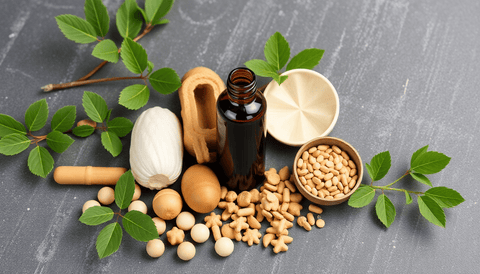
Scopri Integratori Orgonici di Ormoni per ristabilire l’equilibrio in modo naturale. Questa pagina offre una panoramica neutrale sugli integratori di ormoni organici, evidenziando liste di ingredienti, qualità del prodotto e considerazioni pratiche. Verrai a sapere come etichettatura, certificazioni e sourcing influenzano la valutazione delle opzioni in questa categoria, con un focus sulla keyword integratori di ormoni organici. In molte formulazioni di integratori organici di ormoni, si incontrano una vasta gamma di botanici e minerali. Esempi comunemente citati includono erbe adattogene come ashwagandha e rhodiola, insieme ad altri botanici come basilico sacro o valeriana, e minerali o vitamine che possono comparire in miscele etichettate. Le descrizioni dei prodotti spesso fanno riferimento a usi tradizionali o culturali, e le formulazioni possono variare ampiamente nei profili degli ingredienti e nella standardizzazione. Questo contenuto rimane descrittivo e non fa affermazioni riguardo alle prestazioni di alcun ingrediente specifico. Consigli sulla sicurezza da tenere a mente includono la revisione di ogni lista di ingredienti per eventuali allergeni e il contatto con un professionista sanitario prima di iniziare qualsiasi nuovo integratore, specialmente se si hanno condizioni di salute preesistenti o si assumono altri farmaci. Cerca prodotti di marche che pubblicano una provenienza trasparente degli ingredienti e che utilizzano test di terze parti, standard GMP e certificazioni organiche chiare. Presta attenzione alla precisione dell'etichetta, ai requisiti di conservazione e alla presenza di additivi o riempitivi che potrebbero influenzare la composizione del prodotto. Una guida da parte di esperti può aiutarti a navigare tra le scelte relative agli integratori di ormoni organici. Cerca consigli da professionisti qualificati in grado di interpretare le certificazioni, le scadenze degli integratori e la standardizzazione degli ingredienti. Possono aiutarti a confrontare le linee di prodotto, a capire cosa rivelano le etichette sulla qualità e ad allineare le scelte ai tuoi obiettivi e alle eventuali considerazioni normative. Questo approccio favorisce decisioni informate mentre esplori gli integratori di ormoni organici.
Integratori di ormoni biologici: Ripristina l'equilibrio in modo naturale
Hormones act as chemical messengers, influencing everything from energy and mood to metabolism and sleep. When this intricate system is imbalanced, many people seek ways to support their body's natural rhythm. This has led to growing interest in organic hormone supplements, which are dietary products formulated with organically sourced botanicals, vitamins, and minerals. This guide provides a neutral, comprehensive overview of this supplement category, helping you understand what it is, how to evaluate it, and how to approach it safely.
What are Organic Hormone Supplements?
An organic hormone supplement is a broad term for a product designed to support the body’s endocrine system—the network of glands that produce hormones. Unlike synthetic hormone replacement therapies, these supplements use naturally derived ingredients. The term 'organic' refers to how the raw ingredients, such as herbs and plants, are grown and processed without synthetic pesticides or fertilizers, and it does not imply a specific mechanism of action on the body.
The goal of taking these supplements is not to replace or artificially alter hormone levels, but rather to provide the nutritional and botanical support a healthy body may need to produce and regulate hormones effectively. This support is intended to contribute to a state of internal balance, or homeostasis. Therefore, these products are best understood as nutritional companions to a healthy lifestyle, not as medical treatments.
Key Ingredients to Look For
The ingredient profile of organic hormone supplements is diverse, often designed to address different aspects of hormonal health. Understanding these components is crucial for making an informed choice. Most formulations fall into a few key categories:
Adaptogenic Herbs
Adaptogens are a class of herbs traditionally used to help the body cope with stress. Since chronic stress is a major contributor to hormonal disruption, these ingredients are staples in many formulas.
- Ashwagandha: Often used to help the body manage stress.
- Rhodiola: Frequently used for its potential to support energy and resilience.
- Holy Basil (Tulsi): A calming herb with a long historical use.
Botanicals and Traditional Herbs
Beyond adaptogens, other plants are included for their specific traditional properties. It is important to view these through an educational lens, as traditional uses are not equivalent to proven scientific effects.
- Valerian Root: Valued for its calming properties, often used to support sleep quality.
- Chasteberry (Vitex): Traditionally used for female reproductive health support.
- Maca Root: A root vegetable often used for energy and libido support.
Vitamins and Minerals
These are the foundational nutrients that act as co-factors in hormone synthesis within the body.
- Magnesium: Involved in hundreds of bodily reactions, including hormone production. You can find more information in our magnesium guide.
- Zinc: A vital mineral for immune function and cellular metabolism, and a component of many hormones.
- Vitamin B6: Plays an important role in amino acid metabolism and neurotransmitter creation.
- Vitamin D: Functions more like a hormone in the body and is crucial for overall health.
For a broader look at how herbs and botanicals fit into a supplement routine, you may find our traditional herbal supplements guide helpful for context.
Safety and Quality: What to Consider
The market for organic supplements is vast, and product quality can vary significantly. Because these supplements can influence the body's delicate hormonal systems, a cautious and meticulous approach is essential before incorporating them into your regimen.
Consult a Healthcare Professional
This is the most critical safety step. Supplements can interact with prescription medications and may not be suitable for individuals with certain health conditions, such as hormone-sensitive cancers. Always discuss new supplements with your doctor or a qualified practitioner, especially if you are pregnant, nursing, or planning surgery.
Evaluating Product Labels and Certifications
Learning to read a supplement label is a vital skill. Here are key elements to look for:
- Full Ingredient Disclosure: Be wary of 'proprietary blends.' They can hide specific dosages. You should be able to see the amount of every active ingredient.
- Organic Certification: Look for seals like 'USDA Organic' or 'EU Organic' to ensure the ingredients are grown according to strict organic standards.
- Third-Party Testing: Reputable brands often send their products to independent labs for purity and potency verification. Look for a 'Certified' seal or a statement about third-party testing.
- GMP Standards: Good Manufacturing Practices ensure the product is produced consistently and controlled to quality standards.
Exploring the Topic Further
This guide provides a foundation for understanding organic hormone supplements. The effectiveness of these products depends on a complex interplay of ingredients, individual body chemistry, and lifestyle factors such as diet, stress, and sleep. There is no 'magic bullet' pill, and achieving hormonal balance naturally is often a holistic endeavor.
To build a more complete picture of your supplement needs, consider exploring other related areas on our site, such as our comprehensive natural supplements collection. In the meantime, always prioritize a healthy diet, regular exercise, and stress management as the foundational elements of wellness.