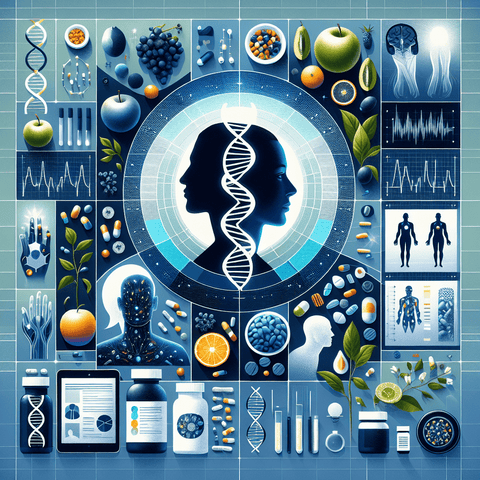
Personalized nutrition programs sono progettati per adattarsi ai tuoi obiettivi di salute e al tuo stile di vita unici. Basati sulla scienza dell'alimentazione attuale e su un approccio guidato dai dati, questi programmi offrono un quadro scientificamente supportato che culmina in un piano alimentare personalizzato su misura per te. L'obiettivo è creare un processo pratico e ripetibile che rispetti le tue preferenze, il tuo calendario e le tue limitazioni, piuttosto che offrire una soluzione unica per tutti. Per costruire i programmi di nutrizione personalizzata, iniziamo con una valutazione approfondita che raccoglie i tuoi obiettivi, la routine quotidiana, l'accesso alla cucina, il budget e eventuali restrizioni dietetiche. Queste informazioni guidano la progettazione del programma e l'organizzazione del piano alimentare personalizzato. L'intento è tradurre i tuoi input in un piano coerente, facile da usare, che si adatti ai momenti e alle scelte della vita reale. Il programma è pensato per essere iterativo e reattivo. Verifiche regolari e feedback aiutano a perfezionare il piano, con aggiustamenti fatti per rimanere allineati ai tuoi obiettivi e circostanze in evoluzione. Avrai accesso a risorse e supporto che mantengono il processo organizzato e trasparente, sottolineando un approccio collaborativo piuttosto che diretto. Se stai esplorando le opzioni, puoi approfondire come vengono costruiti i programmi di nutrizione personalizzata, la scienza dietro i loro metodi e come iniziare. Privacy, integrità e collaborazione professionale sono al centro dell'esperienza, assicurandoti di poter partecipare al programma con fiducia. Pronto a fare il prossimo passo? Scopri come i programmi di nutrizione personalizzata possono adattarsi alla tua vita e aiutarti a raggiungere i tuoi obiettivi.
Programmi di Nutrizione Personalizzata: Piani su Misura per la Tua Salute
Personalized nutrition is replacing the idea that one-size-fits-all dietary advice works for everyone. Instead of relying on generic guidelines, personalized nutrition programs are designed to adapt to your specific biology, lifestyle, preferences, and health goals. These programs use a data-driven approach to build a custom framework for eating, which often results in a practical meal plan tailored to you. The focus is on creating a sustainable, repeatable process that respects your schedule, budget, and dietary needs. This guide provides a broad overview of personalized nutrition, exploring its core principles, common types of programs, and important factors to consider when exploring this approach.
What Is Personalized Nutrition?
At its core, personalized nutrition is about moving away from a blanket approach. It starts with a thorough intake that captures your goals, daily routine, cooking access, budget, and any dietary restrictions. This information forms the foundation of the program and how the eventual meal plan is organized. The objective is to translate your unique inputs into a coherent, easy-to-use plan that fits into real-life moments and choices. This process is inherently collaborative. Programs are designed to be iterative and responsive, with regular check-ins and feedback helping to refine the plan over time, keeping it aligned with your evolving goals and circumstances.
The difference from conventional advice lies in the level of adaptation. A personalized program considers how your body might uniquely respond to different foods and adjusts recommendations accordingly. This is not about providing a quick fix but about establishing a practical, repeatable process for long-term wellness. It emphasizes a collaborative rather than prescriptive guidance, ensuring you understand the 'why' behind the recommendations and can engage with the program confidently. Privacy, integrity, and professional collaboration are central to this experience, helping you feel supported throughout your journey.
Why Personalization Matters for Your Health
The interest in personalized nutrition is driven by the understanding that people respond differently to the same foods. Generic dietary guidelines are useful for populations, but they may not always align with an individual’s reality. Personalization aims to bridge that gap. By focusing on your specific needs, these programs can help make dietary changes feel more relevant and achievable. They can also help you identify which aspects of your diet may require the most attention, moving beyond a simple checklist of nutrients. This approach can be particularly helpful for navigating complex dietary requirements or when you have specific health and performance objectives.
Ultimately, the goal is to foster a healthier relationship with food. Instead of following a rigid plan, you learn how to make informed choices that work for your body and life. This might involve understanding the role of key nutrients, which you can also explore through guides on specific multivitamins or broad categories of mineral supplements. However, a personalized program typically considers your whole diet first, using supplements only to address identified gaps, if needed.
Main Types of Personalized Nutrition Programs
The field of personalized nutrition is diverse, with programs differing mainly in the type of data they use to craft recommendations. Understanding these categories can help you choose an approach that aligns with your needs and curiosity.
Lifestyle and Preference-Based Programs
This is the most common and accessible form of personalization. These programs rely on a detailed assessment of your current eating habits, daily schedule, food preferences, and health goals. A nutrition professional, guided by your input, builds a practical meal plan and offers coaching and support. The emphasis is on fitting the plan into your life, making it a highly sustainable and practical choice for many people.
Data-Driven and Biometric Programs
These programs use quantitative data to add a layer of biological insight to the process. Common features include at-home test kits and wearable devices. Examples include:
- DNA-Based Programs: These analyze specific genes to provide insights into how you might process certain nutrients, your food sensitivities, or your metabolic tendencies.
- Microbiome-Based Programs: These analyze the bacteria in your gut to offer recommendations on foods that may promote a healthy digestive environment for your specific microbial profile.
- Blood Marker Tracking Programs: These use regular testing of markers like blood sugar or cholesterol to create a feedback loop, allowing for continuous and measurable adjustments to the diet.
How to Choose the Right Program
With the growing number of options, deciding where to start can feel overwhelming. The key is to evaluate programs based on your personal objectives and circumstances. Begin by asking what you hope to achieve. Are you looking for general guidance on improving your diet, or do you have a specific health marker you want to address? Your answer will help determine the level of sophistication you need. A lifestyle-based program might be perfect for general wellness, while a data-driven program could offer additional insights if you're looking for a more biologically focused approach.
Transparency is also crucial. Look for programs that clearly explain their methodology and the science behind their methods. Consider the credentials of the team providing the guidance—are they registered dietitians or qualified nutrition professionals? Also, evaluate the practical aspects: the cost, the time commitment required, and the level of ongoing support. A successful program will feel like a partnership, providing not just a plan but also the resources and support to help you implement it effectively. As you make changes, it's beneficial to understand more about fundamental nutrients, such as the importance of Vitamin D for overall health, but a good program will help you integrate this type of information into a holistic plan.
Key Considerations and Getting Started
While personalized nutrition offers a promising path toward better health, it's important to approach it with a clear perspective. It's not a magic bullet for medical issues, but a tool for building better daily habits. No program can replace the advice of a medical doctor for diagnosing or treating a health condition. The best results come from actively participating in the process, being honest about your habits, and being patient as you and the program work together to find what works best for you.
Starting a personalized nutrition program is a proactive step. The process generally involves initial data collection, a detailed review of your information, the creation of a tailored plan, and regular follow-ups. This structure is designed to keep you on track and make adjustments as you progress. By focusing on your unique needs, personalized nutrition encourages a more mindful and informed relationship with food, helping you make choices that genuinely support your wellness goals. It's a journey of discovery, learning how to nourish your body in a way that works for you.
Frequently Asked Questions About Personalized Nutrition
Here are answers to some common questions people have when starting their search for personalized nutrition information.
Where can I get a free personalized diet plan?
Many credible sources offer a starting point. Government health websites often provide tools to calculate your daily needs based on age, sex, and activity level. Some universities or public health organizations release free, evidence-based meal planning templates. While not as comprehensive as a paid program, these resources can provide a useful baseline for a 'personalized' plan that accounts for your basic metrics. It is important to ensure any tool you use comes from a reputable public health or academic source.
What should I look for in a nutrition certification?
If you are looking for professional guidance, the most recognized certifications are often from accredited universities. Many dietitians hold a Master's degree and have completed a rigorous internship. Other well-regarded certifications exist, but it's wise to ensure they are from accredited institutions and involve substantial coursework in the sciences. A provider with a recognized credential offers greater assurance that their guidance is grounded in established nutritional science.