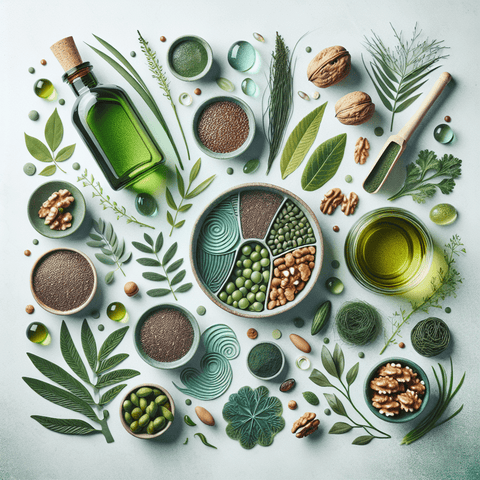
Omega-3 di origine vegetale: fonti facili e sostenibili per migliorare la tua salute


it Scopri fonti di omega-3 a base vegetale facili, sostenibili, con consigli pratici, ricette semplici e opzioni preferite come lino, chia e alghe. Questa pagina si concentra sull'omega-3 vegetale, evidenziando modi accessibili per integrare questi ingredienti nei pasti quotidiani. Troverai idee per ingredienti di dispensa, aggiunte rapide e opzioni versatili che si adattano a diversi gusti e stili di cucina. L'attenzione rimane sull'uso pratico e sulle scelte accessibili per uno stile di vita vegetale. L'omega-3 di origine vegetale deriva da diverse fonti. I semi di lino e chia sono noti per il loro contenuto di ALA, mentre le alghe forniscono forme di DHA e EPA. Le scelte variano in sapore, consistenza e nel modo in cui si integrano nelle ricette, quindi mescolare le fonti può mantenere i menu interessanti e vari. Consigli per integrare l'omega-3 vegetale includono la macinazione del lino appena prima dell'uso per ottenere la migliore consistenza, l'ammollo dei semi di chia per creare gel, e la conservazione dei semi in un luogo fresco e buio. Usa la farina di lino nei prodotti da forno o negli smoothie, spolvera i semi di chia su yogurt o cereali, e considera olio o integratori a base di alghe per diversificare le opzioni. Inizia con piccole quantità e ajusta gradualmente secondo gusto e preferenze di consistenza. Ricette semplici da provare includono un budino di chia con latte vegetale e topping, un mix di cracker di semi di lino cotto con erbe, e una vinaigrette rapida a base di olio di alghe per insalate. Un frullato con spinaci, banana e un cucchiaino di semi di lino macinati offre un’altra opzione facile. Queste idee mostrano la versatilità delle fonti di omega-3 vegetale senza richiedere ingredienti specializzati.


Which oil is the healthiest omega-3? - Topvitamine
Jan 07, 2026
Non esiste un unico olio omega-3 più sano per tutti: la scelta dipende dal tipo di acido grasso desiderato, dall’alimentazione, dalla dieta e dai criteri di qualità. L’olio di pesce fornisce EPA e DHA, quello di alghe è un’opzione vegana ricca soprattutto di DHA, mentre lino e chia apportano ALA. La guida spiega anche fonti alimentari, sostenibilità, qualità e principali precauzioni.
Where is a lot of omega 3 found? - Topvitamine
Dec 02, 2025
Dove si trova l’omega-3? Le fonti più concentrate sono i pesci grassi, come sardine, sgombro, aringhe e salmone, che forniscono EPA e DHA. Semi di lino, chia, noci e altri alimenti vegetali apportano soprattutto ALA. Chi non consuma pesce può valutare l’olio di alghe, mentre gli integratori di olio di pesce o alghe possono essere utili quando l’alimentazione non è sufficiente, previo consiglio professionale se necessario.
Which omega 3 is the best? - Topvitamine
Nov 03, 2025
Il miglior integratore di omega-3 non è uguale per tutti: la scelta dipende soprattutto dalla quantità di EPA e DHA, dalla fonte, dalla purezza, dalla tollerabilità e dalle proprie esigenze alimentari. Questa guida spiega le differenze tra olio di pesce, olio di alghe, krill e fonti vegetali, come leggere l’etichetta e quali precauzioni considerare in caso di diabete, gastrite, gravidanza o uso di farmaci.
Is avocado rich in omega 3? - Topvitamine
Oct 31, 2025
L’avocado contiene una piccola quantità di omega 3 sotto forma di ALA, ma non è una fonte ricca. I suoi grassi sono soprattutto monoinsaturi e si inseriscono bene in un’alimentazione varia. In questo articolo vediamo quanto omega 3 apporta, quali sono le fonti vegetali più concentrate, se si può mangiare ogni giorno e come si confronta con la banana, con indicazioni prudenti anche sugli integratori.
Which plant-based foods are highest in omega-3? - Topvitamine
Oct 29, 2025
Gli alimenti vegetali ricchi di omega-3 forniscono soprattutto ALA: semi di lino, semi di chia, noci e semi di canapa sono tra le opzioni più pratiche. Poiché la conversione di ALA in EPA e DHA è limitata, chi non consuma pesce può valutare alimenti fortificati o un integratore a base di olio di alghe. La guida spiega quantità indicative, conservazione, differenze tra le forme e principali precauzioni.
What is the best omega-3 on the market? - Topvitamine
Oct 21, 2025
Il miglior omega-3 non è uguale per tutti: la scelta dipende dalla quantità di EPA e DHA, dalla fonte, dalla formulazione, dalla freschezza e dalle esigenze alimentari. Questa guida confronta olio di pesce, olio di alghe e olio di krill, indica quali alimenti forniscono naturalmente EPA e DHA e chiarisce cosa sapere su carenza, dosaggio, sicurezza e uso degli integratori.

Plant-based omega-3 is a topic that covers more than just a single food or supplement. It includes a family of fatty acids, several different plant sources, and a range of ways to include them in a modern diet. This guide provides a high-level overview of the subject, helping you understand the main concepts, sources, and practical considerations.

Understanding Plant-Based Omega-3

Omega-3 fatty acids are a family of polyunsaturated fats that are part of the normal human diet. The three main types are ALA, DHA, and EPA. The crucial difference from a dietary perspective is the source. While DHA and EPA are commonly associated with marine sources like fish, they originate from algae. ALA is predominantly found in plant seeds and oils.

Plant-based omega-3s are therefore those derived from botanical sources. This includes seeds like flax, chia, and hemp, as well as oils from these seeds. A significant development is the availability of algae-based oils, which can provide a direct source of DHA and EPA without marine ingredients, fitting comfortably within a plant-based lifestyle.

Understanding these basic distinctions is the first step in navigating the many options available and choosing the approach that best fits your dietary needs and preferences.

Key Plant-Based Sources of Omega-3

There are several primary plant sources for omega-3, each with its own nutritional profile and culinary characteristics.

The most common sources are seeds, which are known for their ALA content:

  • Flaxseeds and flaxseed oil: These are one of the richest plant sources of ALA. Flaxseeds can be ground for better nutrient absorption and used in baking or smoothies.
  • Chia seeds: Also a great source of ALA, chia seeds have the unique ability to form a gel when soaked, making them useful for puddings and as a textural addition to various recipes.
  • Hemp seeds: These provide a smaller amount of ALA but also contain other beneficial nutrients, making them a simple add-in for salads or oatmeal.

Beyond seeds, the most direct plant-based source of DHA and EPA is microalgae. Algae oil supplements and culinary oils are increasingly common, offering a way to get these specific forms without fish or krill.

If you are considering a supplement, exploring a dedicated selection of DHA and EPA supplements can help you understand the options available, including those derived from algae.

How to Add Plant-Based Omega-3 to Your Diet

Incorporating these sources is generally straightforward, as they are versatile ingredients. Here are some practical tips for everyday use.

Simple Ways to Use Seeds

Seeds are the most accessible starting point. To get the most from flaxseeds, grinding them just before use is often recommended, as this makes the nutrients more accessible. You can add ground flax to smoothies, oatmeal, or use it as an egg substitute in baking.

Chia seeds, when soaked in liquid, create a gel-like texture. This property is perfect for making puddings or for adding thickness and body to sauces and jams. Sprinkling chia or hemp seeds over yogurt, cereal, or salads is another effortless way to boost your intake.

Cooking with Oils

Flaxseed and algae oils are options to consider when thinking about adding plant-based omega-3 through cooking. A quick algae-oil vinaigrette for salads is a simple example. Over time, you can start with small quantities to find what works best for your taste and texture preferences.

Storing these oils correctly is important. Keeping them in a cool, dark place helps preserve their quality over time, much like other delicate oils.

Recipe Ideas to Get Started

Starting with simple recipes can help you get comfortable with these ingredients. Some easy ideas include a chia pudding made with plant-based milk, a batch of flaxseed crackers baked with herbs, or a smoothie that combines spinach, banana, and a teaspoon of ground flax. These ideas demonstrate the flexibility of plant-based omega-3 sources without requiring specialized equipment or hard-to-find items.

General Considerations for Supplements

For some, getting omega-3 from food alone might be challenging, as ALA conversion to DHA and EPA in the body is not always efficient. This is why algae-based supplements are popular; they provide pre-formed DHA and EPA.

As with any supplement, it is important to approach them as a complement to a balanced diet, not a replacement for it. There is no one-size-fits-all approach, and individual needs can vary. If you are considering a supplement, it is a good practice to review the product information carefully and consider seeking guidance from a qualified healthcare professional.

For a broader look at nutritional supplements, you can explore the Topvitamine natural supplements collection

Exploring the Topic Further

This guide covers the foundational information about plant-based omega-3. There are many more specific aspects to explore, from the differences between ALA, DHA, and EPA, to the best ways to pair these foods with other nutrients.

Deep dives into specific questions, such as the taste profile of algae oil, comparison between different seed types, or advanced culinary techniques, are best addressed in dedicated resources that can provide the necessary focused attention. In the meantime, the key takeaway is that plant-based omega-3s are a diverse and accessible topic, and starting with the basics is the best way to move forward.