
it: Scopri una chechlist pratica per valutare la qualità degli integratori: sicurezza, potenza e marchi affidabili. Prendi decisioni informate ed evita prodotti di bassa qualità. In questa pagina, l'attenzione è rivolta alla valutazione della qualità degli integratori come un processo disciplinato: utilizzando criteri documentati e informazioni verificabili piuttosto che messaggi promozionali. La valutazione della qualità degli integratori inizia con i dettagli sull'etichetta e sulla produzione. Controlla che l'elenco degli ingredienti corrisponda a ciò che è presente nel prodotto e cerca divulgazioni chiare sugli allergeni, quantità dichiarate e eventuali avvertimenti. Nota il nome del produttore e le informazioni di contatto, così come il numero di lotto o batch, la data di scadenza e le raccomandazioni di conservazione. Conferma che il prodotto sia prodotto in uno stabilimento che segue le buone pratiche di produzione (GMP) e che il marchio fornisca documentazione, come un certificato di analisi (COA) da un laboratorio indipendente per ogni lotto. Potenza e coerenza sono fondamentali per una rigorosa valutazione della qualità degli integratori. Cerca risultati di test di terze parti e COA specifici di batch che confermino le concentrazioni degli ingredienti e la precisione dell'etichetta. Cerca anche test su potenziali contaminanti, come metalli pesanti o pesticidi, dove disponibili, e verifica come vengono comunicati i risultati. Un processo trasparente e ben documentato per l'approvvigionamento, i test e la segnalazione aiuta a garantire che le informazioni sulla potenza siano coerenti tra diversi lotti. I marchi affidabili dimostrano trasparenza e responsabilità. Valuta la storia del marchio, i richiami e la trasparenza della filiera di approvvigionamento. Preferisci fornitori che pubblichino i risultati dei test, offrano facile accesso ai COA e forniscano supporto di contatto chiaro e politiche di reso. Considera l'acquisto tramite canali ufficiali o rivenditori affidabili che pongono enfasi sui controlli di qualità. Applicando questi passaggi, puoi condurre una valutazione approfondita della qualità degli integratori ed evitare prodotti di bassa qualità.
Come valutare la qualità degli integratori: Sicuri, potenti, affidabili
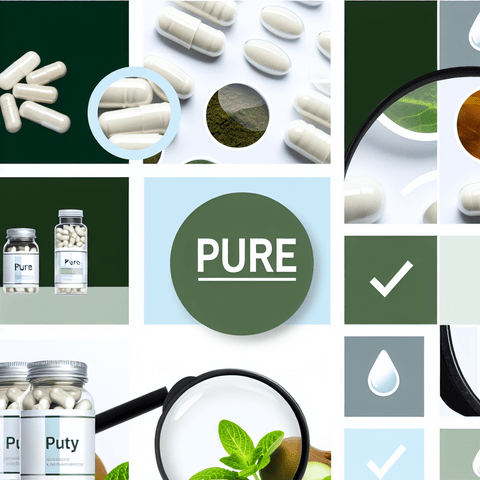
The supplement market is vast, and not all products are created equal. Quality assessment is the process of evaluating supplements using documented, verifiable criteria rather than marketing claims. This page provides a structured overview of the key factors to consider when assessing supplement quality, including safety, potency, and the trustworthiness of brands. It is designed to help you understand the different dimensions of quality and make more informed choices.
Safety: The Foundation of Quality
Safety is the most fundamental aspect of supplement quality. A product should be safe for consumption as labeled. The labeling and manufacturing details provide the first layer of information. Check that the ingredient list matches what's in the product, and look for clear allergen disclosures, declared amounts, and any warnings. Note the manufacturer's name and contact information, as well as the lot or batch number, expiration date, and storage recommendations. Confirm that the product is produced in a facility that follows good manufacturing practices (GMP), which helps ensure consistent quality and reduces the risk of contamination.
Potency: Ensuring Consistency and Accuracy
Potency and consistency are central to a rigorous quality assessment. Seek third-party testing results and batch-specific certificates of analysis (COAs) that confirm ingredient concentrations and labeling accuracy. Look for testing on potential contaminants, such as heavy metals or pesticides, where available, and review how the results are communicated. A transparent, well-documented process for sourcing, testing, and reporting helps ensure that potency information stays consistent across lots.
Trust: The Role of Brand Transparency
Trusted brands demonstrate transparency and accountability. Evaluate a brand's track record, including its recall history and supply-chain transparency. Prefer suppliers that publish their testing results, offer easy access to COAs, and provide clear contact support and return policies. Consider purchasing through official channels or reputable retailers that emphasize quality controls. A reputable brand is more likely to prioritize quality and provide the documentation you need to make an informed decision.
Key Considerations in Your Assessment
When assessing any supplement, consider the following factors as part of your overall evaluation:
- Ingredient list: Does it match the product and clearly state amounts?
- Allergen and warning information: Are they clear and complete?
- Manufacturing information: Is the facility GMP-compliant?
- Batch-specific testing: Is a COA available from an independent lab?
- Contaminant testing: Are results for heavy metals or pesticides shared?
- Brand transparency: Does the brand share its sourcing and testing processes?
Understanding Certification and Third-Party Testing
Certifications and third-party testing can provide additional assurance of supplement quality. Certifications from independent organizations can indicate that a product meets certain quality standards. A good certification for supplements often involves rigorous testing and auditing of the manufacturing process. Third-party testing, such as a certificate of analysis, verifies that the product's contents match its label and are free from harmful levels of contaminants. This documentation adds a layer of credibility and transparency to a brand's claims.
Developing a Practical Assessment Checklist
Creating a simple checklist can help you apply the key principles of quality assessment consistently. Here is a practical list of steps to guide your decision-making:
- Start by reviewing the full product label for ingredient list, amounts, and warnings.
- Look up the manufacturer and verify if they follow GMP guidelines.
- Check if the brand provides access to batch-specific certificates of analysis (COAs).
- Look for independent testing results for contaminants like heavy metals or pesticides.
- Assess the brand's reputation, transparency, and customer support.
- Purchase from official channels or reputable retailers that emphasize quality controls.
Finding Trusted Supplements
By applying these steps, you can conduct a thorough quality assessment of supplements and avoid low-quality products. For a range of products that meet rigorous quality standards, you can explore our selection of natural supplements. Many brands also provide detailed information about their sourcing, testing, and certifications, making it easier to evaluate their quality.
For specific supplement categories, you may also find it helpful to review our guides on vitamin D, omega-3 fatty acids, and other essential nutrients, which often include important considerations for quality and purity.