Pericoli nascosti negli integratori alimentari popolari — Cosa dovresti sapere prima di assumerli


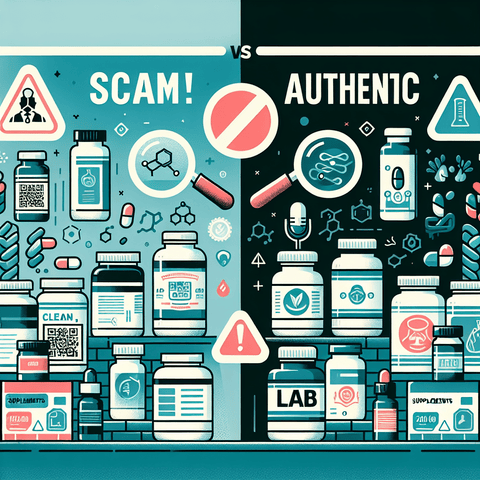
Navigare nel mercato degli integratori alimentari rischiosi richiede attenzione. Questa pagina ti aiuta a individuare segnali di allarme, capire perché gli ingredienti nascosti sono preoccupanti e applicare consigli di sicurezza prima di decidere di assumere qualsiasi prodotto. Rimanere informati può ridurre l’esposizione a integratori alimentari rischiosi e proteggere il tuo tempo e le tue risorse. Segnali di allarme da osservare sulle etichette e sui siti web includono liste di ingredienti vaghe, quantità non disclosures nei miscugli proprietari e affermazioni che si basano su testimonianze o slogan infondati piuttosto che su dati verificabili. Poiché la supervisione normativa sugli integratori alimentari varia e non sempre richiede prove prima della commercializzazione, i consumatori dovrebbero considerare sconti improvvisi, marketing aggressivo o pressioni all’acquisto come segnali di allerta di integratori rischiosi. Gli ingredienti nascosti sono un fattore di pericolo principale. Alcuni prodotti potrebbero contenere stimolanti non dichiarati, sostanze simili a farmaci o contaminanti non elencati sull’etichetta. Ci sono state azioni di regolamentazione contro prodotti adulterati che includevano sostanze non dichiarate o metalli. La presenza di ingredienti nascosti rende difficile valutare la sicurezza, in particolare per le persone con allergie, farmaci o sensibilità specifiche—una ragione importante per esaminare attentamente gli integratori rischiosi. I passaggi pratici di sicurezza prima di assumere qualsiasi integratore includono controllare l’elenco completo degli ingredienti e le quantità, verificare il produttore e il luogo di lavorazione, e cercare la verifica di test di terze parti da laboratori indipendenti. Monitorare avvisi ufficiali di sicurezza, richiami o allerte consumeri da parte delle autorità e ricercare la storia del marchio. In caso di dubbi, consultare un professionista sanitario ed evitare prodotti che rifiutano di divulgare gli ingredienti o si affidano a affermazioni esagerate.


Are Red Flags of a Scam Supplement Product Putting Your Health at Risk? Here's How to Spot Them - Topvitamine
Aug 27, 2025
Gli integratori contraffatti possono avere etichette ingannevoli, ingredienti non dichiarati o confezioni che imitano prodotti autentici. In questa guida trovi i principali segnali d’allarme, i controlli da fare prima di acquistare online e le precauzioni da adottare se hai già assunto un prodotto sospetto. Imparerai anche a distinguere un integratore alimentare da un medicinale falsificato e quando chiedere consiglio a un professionista sanitario.

Dietary supplements are widely used for supporting everyday health, but not all products on the market are equally reliable. Some supplements carry more risk than others due to unclear labeling, undisclosed ingredients, or unsupported claims. Learning to identify potentially risky dietary supplements is a valuable skill for anyone who wants to make informed choices about their health. This page explains what makes a supplement risky, highlights common red flags, and offers practical guidance for choosing products more safely.

What Are Risky Dietary Supplements?

A risky dietary supplement is generally one that poses a potential health concern due to its ingredients, manufacturing process, or the way it is marketed. Risk can come from hidden pharmaceutical compounds, harmful contaminants, or inaccurate labeling. It can also come from products that make exaggerated health claims without scientific evidence to support them. Because supplements are not subject to the same pre-market approval as conventional drugs in many regions, the responsibility for safety largely falls on manufacturers—and ultimately on consumers.

Understanding the difference between a supplement that is carefully made and one that is potentially hazardous is not always straightforward. However, there are several well-documented warning signs that can guide your assessment. Paying attention to these signals can help you avoid products that may do more harm than good.

Key Red Flags on Labels and Websites

One of the most important steps in identifying risky dietary supplements is learning to read labels and marketing materials critically. Certain phrases and practices appear repeatedly in products that later become the subject of safety warnings.

  • Vague ingredient lists or proprietary blends that do not disclose the amount of each ingredient
  • Claims of rapid or dramatic results, such as quick weight loss, extreme muscle gain, or instant energy
  • Use of terms like "breakthrough," "miracle," or "secret formula" without supporting evidence
  • Testimonials presented as proof of effectiveness rather than clinical data
  • Pressure to buy immediately or limited-time offers that create urgency
  • Absence of a physical address, contact information, or clear manufacturer details

These signs do not automatically mean a product is dangerous, but they indicate a lower level of transparency and accountability. Trustworthy brands are typically willing to share detailed information about their sourcing, testing, and manufacturing practices.

Hidden Ingredients and Undisclosed Substances

A significant concern with some supplements is the presence of hidden ingredients that are not listed on the label. Regulatory agencies have identified numerous products marketed as dietary supplements that contain undisclosed pharmaceutical compounds, including prescription drugs or synthetic stimulants. These undeclared substances can have powerful effects on the body and may lead to serious adverse events, especially when combined with other medications or taken in higher-than-recommended doses.

Products marketed for weight loss, sports performance, or sexual enhancement are among those most frequently associated with hidden ingredients. The presence of these compounds is particularly concerning because consumers may unknowingly take prescription-strength substances without appropriate monitoring. Checking whether a product has been the subject of an FDA warning or recall can provide useful information. Searching the product name along with terms like "warning" or "recall" is a practical first step.

Regulatory Oversight and Manufacturer Responsibility

In many countries, dietary supplements are regulated more like foods than like drugs. This means that manufacturers are generally responsible for ensuring their products are safe before they go to market, but they are not required to submit evidence of safety or effectiveness to regulators in advance. This regulatory framework creates gaps that allow some lower-quality products to reach store shelves.

Certain product categories tend to attract more scrutiny than others. According to experts, supplements marketed for weight loss, muscle building, and sexual function are disproportionately represented in adverse event reports. If you are considering a product in one of these categories, extra caution is warranted. For general wellness support, many people choose multivitamins, single vitamins, or minerals from brands with a strong reputation for quality control.

It is also worth noting that the term "natural" on a label does not guarantee safety. Some naturally derived substances can still interact with medications or cause side effects. The absence of synthetic ingredients is not the same as proof that a product has been tested for safety or effectiveness.

Practical Steps for Choosing Safer Supplements

There are several practical strategies you can use to reduce the likelihood of choosing a risky dietary supplement:

  • Read the full ingredient list and avoid products that do not disclose the amount of each active ingredient
  • Research the brand, including how long it has been operating and whether it has a history of safety issues or recalls
  • Look for third-party testing programs that verify the identity, purity, and potency of ingredients
  • Check for a certificate of analysis or letter of authenticity from an independent laboratory
  • Be wary of unusually low prices or massive discounts that may indicate lower-quality ingredients
  • Search online for any FDA warnings, consumer complaints, or class-action lawsuits related to the product

Choosing supplements from reputable brands is another important safeguard. Companies that operate in full compliance with good manufacturing practices and welcome third-party inspection are generally more reliable. Many well-regarded brands provide transparent information about their production processes, quality control measures, and sourcing of raw materials.

Broad Categories of Supplements and Related Considerations

When it comes to choosing safer supplements, understanding the broad categories of available products can help you make more informed decisions. Vitamins, minerals, herbal products, and specialty formulas each come with their own considerations. The general principles of safety apply across all categories, but specific guidance may vary depending on the type of supplement. For instance, some vitamins are fat-soluble and require careful dosing, while certain herbs may interact with prescription medications.

For general wellness support, familiar nutrients such as vitamin D, vitamin C, and the B-complex vitamins are among the most researched supplements. Their benefits and safety profiles are relatively well understood. Many people also use magnesium or calcium for bone and muscle health. If you are interested in learning more about these foundations of supplementation, our multivitamin guide provides a useful starting point.

Herbal supplements and botanical extracts represent another large category. These products can be more complex due to the variety of active compounds found in plants. Some herbs have a long history of traditional use, but this does not eliminate the need for careful evaluation. For a deeper look at what to consider when using botanical products, our herbal supplements guide discusses sourcing and safety topics in more detail.

When to Consult a Healthcare Professional

While research and label-reading are important, they cannot replace personalized advice from a qualified healthcare provider. If you take prescription medication, have a chronic medical condition, are pregnant, or are nursing, talking with your doctor before starting any supplement is strongly recommended. Some ingredients can interact with drugs or be unsafe during pregnancy even at normal doses.

Additionally, if you experience unusual symptoms after taking a supplement, it is important to report them to your healthcare provider and, where applicable, to a national adverse event reporting system. Your experience may contribute to awareness of emerging safety concerns. This information helps regulatory bodies take action when necessary and can help other consumers avoid harm.

Exploring Supplement Safety Further

This page provides a broad overview of how to recognize and avoid risky dietary supplements. The topic of supplement safety includes many specific aspects, from understanding the regulation of different product types to learning about particular vitamins, minerals, and botanicals. The articles listed under this tag explore these areas in greater depth, offering detailed guidance on navigating the supplement marketplace.

By applying the general principles outlined here, you can approach supplement selection with greater confidence. Remember that no single source of information can replace careful judgment and, when in doubt, professional advice. Staying informed about recalls, being skeptical of dramatic claims, and prioritizing transparency will help you build a supplement routine that supports your wellness goals while minimizing unnecessary risks.