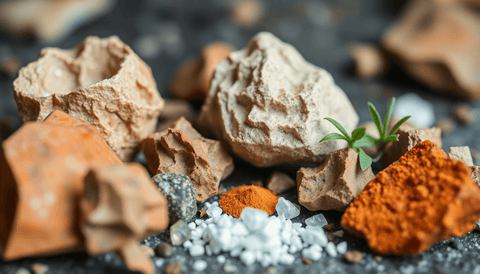
Discovering the top sources of trace minerals means mapping minerals to everyday foods rather than relying on supplements. This page centers on the idea of sources of trace minerals and how real foods embody the mineral profiles we reference in dietary discussions. By focusing on actual foods and their mineral content, readers can gain a clearer sense of how these elements appear across different parts of a diet. Sources of trace minerals come from a variety of food groups. Plant-based sources include leafy greens, legumes, whole grains, nuts, and seeds, which together contribute a range of minerals through their natural composition. Animal-based sources include seafood, dairy products, eggs, and other animal-derived items. Fortified options found in certain cereals, beverages, and packaged foods also participate in the broader landscape of sources of trace minerals. This framing helps identify where specific minerals are likely to be found in typical eating patterns. Considerations such as bioavailability, preparation methods, and regional growing or farming practices influence how these minerals are represented in real foods. The term sources of trace minerals thus covers not only the foods themselves but also the contexts in which they are produced and prepared. Soil quality, seasonality, and processing can affect mineral content, shaping the mineral landscape across different dishes and meals. Practically mapping sources of trace minerals involves consulting nutrition guides, food labels, and regional dietary resources to understand the range within a given pantry or menu. Emphasizing variety across plant-based, animal-based, and fortified sources highlights the diversity of minerals that can be drawn from real foods. In this approach, the focus remains on identifying and describing sources of trace minerals within a broader, real-food framework.
Principali fonti di minerali tracciati: Potenzia la tua salute con alimenti autentici
When it comes to nourishing your body, the phrase "trace minerals" often comes up in discussions about a balanced diet. These essential nutrients are needed in smaller amounts than macrominerals like calcium or magnesium, but they are no less vital for supporting everyday health and wellness. This page serves as a practical guide to understanding the primary dietary sources of trace minerals, focusing on a real-food framework that you can easily apply to your shopping list and meal planning.
Instead of relying solely on supplementation, learning to identify nutrient-dense whole foods is a powerful first step. Here, we will explore the key food groups that provide trace minerals, why they matter, and the factors that influence how well your body can use them. By understanding this landscape, you can make more informed decisions to support your overall nutritional goals.
What Are Trace Minerals and Why Do They Matter?
Trace minerals are inorganic nutrients required by the body in very small quantities—typically less than 100 milligrams per day. Despite their name, their influence on health is significant. They play critical roles in numerous bodily functions, including oxygen transport, immune defense, bone health, and cellular metabolism.
The group of essential trace minerals includes well-known elements such as:
- Iron
- Zinc
- Selenium
- Iodine
- Copper
- Manganese
- Chromium
- Molybdenum
Rather than listing them individually, it is often more practical to think about them collectively as part of a nutrient-rich diet. The challenge is that the body cannot produce these minerals on its own, so they must be obtained through what you eat and drink. This makes understanding food sources of trace minerals a cornerstone of a modern healthy lifestyle.
Major Food Groups Rich in Trace Minerals
A diverse diet is the most reliable way to get a broad spectrum of trace minerals. These nutrients are found across a wide range of food groups. Focusing on variety is more effective than obsessing over a single "superfood." Here is a breakdown of the most significant categories of trace mineral sources.
Plant-Based Sources
For those who follow a plant-focused diet, there is no shortage of trace mineral sources. These foods form the foundation of many healthy eating patterns and are generally rich in various minerals simultaneously.
- Leafy Greens: Spinach, kale, and Swiss chard are well-regarded for their iron and magnesium content, among other nutrients.
- Legumes: Beans, lentils, and chickpeas are excellent providers of iron, zinc, and manganese.
- Whole Grains: Quinoa, oats, and brown rice naturally contain minerals like selenium, iron, and copper.
- Nuts and Seeds: Almonds, cashews, pumpkin seeds, and sesame seeds are concentrated sources of zinc, copper, manganese, and selenium.
These foods demonstrate that trace minerals are abundant in nature. Their versatility in salads, soups, snacks, and main dishes makes it relatively simple to include them regularly.
Animal-Based Sources
Animal products are often highly bioavailable sources of trace minerals, meaning the body can absorb and utilize them efficiently. This is particularly true for minerals like iron and zinc.
- Seafood: Fish and shellfish are notable for providing iodine, selenium, and zinc. For example, oysters are particularly rich in zinc.
- Dairy Products: Milk, yogurt, and cheese contribute to iodine and zinc intake.
- Eggs: A versatile source of iodine, selenium, and iron.
For individuals who do not consume animal products, careful planning is required to ensure adequate intake of these minerals from plant sources, as their absorption can be influenced by other dietary components.
Fortified Foods as a Source of Trace Minerals
Beyond whole foods, the modern food supply includes fortified options. These are everyday products that have had specific nutrients added to them to enhance their nutritional profile. This is a public health strategy to help populations meet their dietary requirements.
Common examples of fortified foods include:
- Breakfast cereals with added iron and zinc.
- Iodized table salt.
- Plant-based milk alternatives fortified with calcium, zinc, and iodine.
While fortified foods can be helpful, they are generally best viewed as a complement to a diet rich in whole foods, not a replacement for them.
Practical Considerations for Mineral Intake
Simply eating foods known to contain trace minerals is not the whole story. Several key factors influence the nutritional value you actually receive from your meals.
Bioavailability
Bioavailability is the degree to which a nutrient can be absorbed and used by the body. For example, iron from plant sources (non-heme iron) is absorbed less efficiently than iron from animal sources (heme iron). However, consuming plant iron alongside vitamin C can significantly enhance its absorption.
Food Preparation and Processing
How you prepare food can change its mineral content. For instance, soaking and sprouting legumes can reduce compounds like phytic acid, which can bind to minerals and reduce their absorption. While cooking methods like boiling can cause some minerals to leach into the water, other methods like steaming can help preserve them.
Soil Quality and Farming Practices
The mineral content of plant foods is directly related to the soil in which they are grown. If the soil lacks certain minerals, the plants will too. This is why regional growing practices and soil health are relevant topics in discussions about mineral intake from real foods.
Trace Minerals in Dietary and Supplement Contexts
While a food-first approach is recommended, you may also learn about trace minerals through discussions of dietary supplements. For many people, a varied diet is sufficient to meet their needs. However, in certain situations—such as specific dietary restrictions, lifestyle factors, or health conditions—a healthcare professional might recommend a supplement. For those interested in understanding the broader landscape of mineral products, exploring a mineral supplement guide can provide further context on different forms and their uses.
Similarly, if you are considering a supplement, it is wise to consult resources on trace mineral supplements to understand what is available. This information can help you have a more informed conversation with your doctor or a registered dietitian.
Building a Balanced Mineral-Rich Diet
The most pragmatic approach is to aim for dietary diversity. No single food contains every trace mineral in the ideal amounts, so eating from various food groups is the best strategy. You can achieve this by:
- Incorporating a variety of colorful vegetables and fruits daily.
- Choosing whole grains over refined grains when possible.
- Including a mix of nuts, seeds, and legumes in your weekly meal plan.
- Considering a range of protein sources, from fish and poultry to beans and lentils.
For those looking to deepen their understanding of how supplements might fit into a healthy diet, resources on multivitamins and their usage may serve as a helpful reference point for further reading.
Key Takeaways for Your Wellness Journey
Understanding sources of trace minerals is a practical skill that supports a proactive approach to health. The key is consistency and variety. By prioritizing real foods like leafy greens, seafood, nuts, and whole grains, you can build a solid nutritional foundation.
Remember that dietary needs are personal and can change over time. If you have questions or concerns about your mineral intake, consulting a healthcare professional who can assess your specific situation is always a wise course of action. Exploring the categories linked on this page can help you familiarize yourself with the product landscape, should you ever need to consider dietary supplements.