Riconoscere integratori falsi: 7 segnali di avvertimento che indicano che un prodotto non è autentico


Lo "Spottare integratori falsi inizia con un occhio attento ai dettagli quotidiani del prodotto. In una pagina dedicata a individuare integratori falsi, troverai segnali pratici, come verificare le etichette e le linee guida per tenere i supplementi contraffatti lontani dalle tue mani. Questa guida si concentra su sette segnali di allarme che possono indicare che un prodotto non è autentico, oltre a passaggi semplici per verificarne l'autenticità senza fare affidamento su affermazioni non verificate. Focalizzandoti su etichettatura, confezionamento, provenienza e documentazione, sarai meglio preparato a individuare incongruenze prima di acquistare. I segnali di allarme più comuni quando si identificano integratori falsi includono problemi con l'etichetta, come liste di ingredienti incomplete, informazioni sulla dose poco chiare o caratteri e layout che non corrispondono alla confezione ufficiale del marchio. Un altro segnale evidente è la mancanza o la stampa sfocata di numeri di lotto e date di scadenza. La confezione che sembra manomessa o presenta sigilli sospetti, tracce di colla o cuciture disallineate può essere un avvertimento. Anche il prezzo e i canali di vendita sono importanti: un prodotto offerto a un prezzo molto inferiore al mercato o venduto attraverso rivenditori non approvati rappresenta un potenziale segnale di allarme. Infine, l'assenza di dettagli verificabili del contatto del produttore, la mancanza di certificazioni di terze parti o incongruenze tra quanto riportato sull'etichetta e quanto mostrato sul sito ufficiale meritano un'indagine più approfondita quando si cerca di individuare integratori falsi. Ulteriori segnali di avvertimento includono la mancanza di informazioni di produzione rintracciabili o di opzioni di contatto, che rendono difficile la verifica. Un prodotto privo di prove di test o certificazioni di terze parti da enti riconosciuti solleva dubbi sulla sua autenticità. Inoltre, se l'elenco del prodotto online non corrisponde alla confezione o al sito web dell’azienda, questa discrepanza può indicare un prodotto contraffatto. Sebbene questi indicatori da soli non siano prove definitive, sono segnali importanti per fermarsi e approfondire l’indagine mentre si cerca di individuare integratori falsi. Per verificare le etichette e difendersi dai supplementi contraffatti, inizia con le basi: confronta l’etichetta con la pagina ufficiale del produttore e usa codici a barre o codici QR forniti da app affidabili per confermare la legittimità. Contatta direttamente il produttore per verificare numeri di lotto, dettagli e rivenditori autorizzati. Conserva l’imballaggio e gli scontrini finché non sei sicuro dell’autenticità e segnala eventuali prodotti sospetti alle autorità regolatorie o alle agenzie di tutela dei consumatori, se necessario. Privilegia i passaggi di verifica e rimani vigile rispetto a questi segnali di allarme: così rafforzerai il tuo metodo per individuare integratori falsi e proteggerti dai prodotti contraffatti."


How to Tell If Your Nutritional Supplement Is Safe and Legitimate - Topvitamine
Aug 29, 2025
Per capire come verificare l’autenticità di un integratore alimentare, controlla prima confezione, etichetta, lotto, scadenza e canale di vendita. Certificazioni volontarie come USP, NSF o Informed-Sport e un certificato di analisi possono offrire informazioni aggiuntive, ma non sostituiscono i controlli ufficiali né garantiscono l’efficacia. Questa guida spiega anche come riconoscere prodotti sospetti e quali precauzioni adottare in presenza di farmaci, patologie o condizioni particolari.
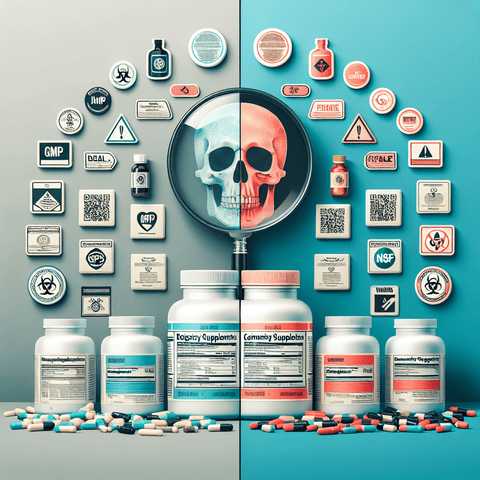
How Do I Avoid Counterfeit Supplements and Spot Fakes Online and In-Store - Topvitamine
Aug 28, 2025
Riconoscere integratori contraffatti richiede attenzione a confezione, etichetta, lotto, scadenza, prezzo e venditore. In questa guida trovi una checklist pratica per verificare l’autenticità prima e dopo l’acquisto, riconoscere le truffe più comuni, valutare gli acquisti nei marketplace e sapere come comportarti se ricevi un prodotto sospetto. Sono inclusi anche consigli utili per proteggere le persone anziane e acquistare da rivenditori trasparenti.
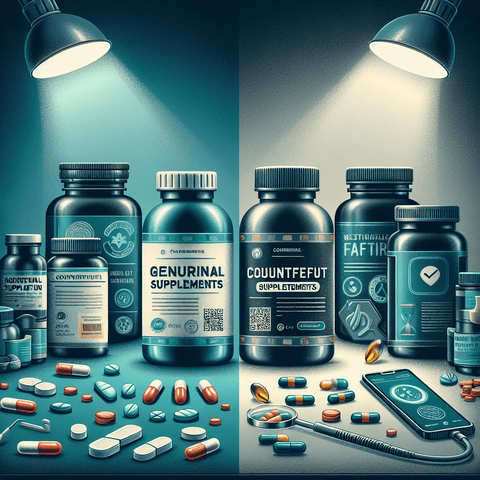
How to Identify Counterfeit Supplements and Protect Your Health - Topvitamine
Aug 28, 2025
Capire come riconoscere integratori falsi aiuta a ridurre il rischio di acquistare prodotti alterati, etichettati male o di provenienza incerta. In questa guida trovi una checklist pratica per controllare confezione, sigillo, ingredienti, numero di lotto, scadenza e canale di vendita. Spieghiamo anche come verificare un integratore, quali segnali non ignorare e come comportarti se hai già acquistato un prodotto sospetto.

How to Identify Counterfeit Supplements and Avoid Online Scams - Topvitamine
Aug 28, 2025
Gli integratori contraffatti possono contenere ingredienti diversi da quelli dichiarati, dosaggi errati o contaminanti. Questa guida spiega come verificare integratori online controllando venditore, confezione, etichetta, lotto, scadenza, prezzo e modalità di pagamento. Troverai anche i segnali tipici delle truffe sugli integratori, le azioni da intraprendere in caso di dubbio e indicazioni prudenti sulla scelta di prodotti adatti alle proprie esigenze.
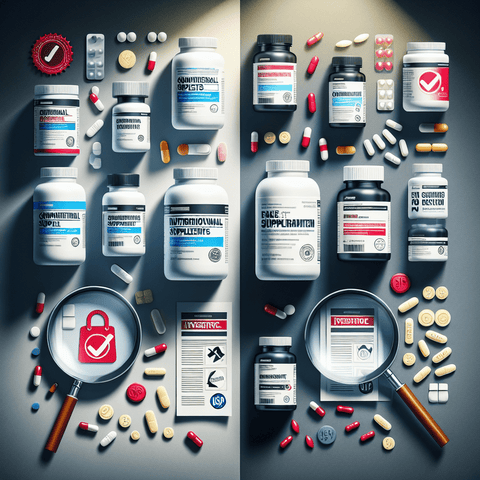
How to Spot Fake or Counterfeit Supplements Online and Protect Your Health - Topvitamine
Aug 27, 2025
Riconoscere integratori falsi online richiede attenzione a venditore, prezzo, confezione, etichetta, numero di lotto e modalità di pagamento. In questa guida trovi una checklist pratica per verificare un prodotto, capire perché i sigilli non bastano da soli, valutare annunci e recensioni e sapere cosa fare se hai già acquistato o assunto un integratore sospetto.

The market for dietary supplements is vast, and unfortunately, where there is demand, counterfeiters often follow. Spotting fake supplements is a crucial skill for anyone who takes vitamins or minerals regularly. A counterfeit product may not contain the ingredients listed on the label, may contain harmful fillers, or may have incorrect dosages. Learning to distinguish genuine products from fakes is about more than just protecting your wallet; it is about safeguarding your health. This guide provides a broad overview of the key indicators of inauthentic supplements and the practical steps you can take to verify a product's legitimacy before you buy.

Why Supplement Authenticity Matters

The primary concern with fake supplements is that their contents are unknown. They may lack the active ingredient entirely, contain a different amount than stated, or be contaminated with undeclared substances. This can lead to a range of issues, from the product simply being ineffective to potential health risks from unknown ingredients or interactions. For individuals who rely on supplements to address a specific nutrient gap, a counterfeit product can delay expected benefits and create confusion about their health regimen. Verifying authenticity ensures that you are consuming what you intend to consume.

The issue extends beyond individual health. The presence of counterfeit goods undermines trust in reputable supplement brands and the industry as a whole. It can also have financial implications, as consumers may pay a premium for a product that is worth far less. Being able to spot a fake is a form of consumer protection that helps maintain the integrity of the market and encourages responsible manufacturing.

The 7 Red Flags of Counterfeit Supplements

While no single indicator is definitive proof, encountering one or more of these signs should make you pause and investigate further. Here are the seven common red flags to watch for when evaluating a supplement.

  • Inconsistent Labeling: The label may have an incomplete ingredient list, unclear dosage information, or misspellings. The font and layout may not match the brand's official packaging design, or the text may be blurry or poorly aligned.
  • Missing or Poorly Printed Batch Numbers: Genuine products almost always have a batch or lot number and an expiration date. If these are absent, faded, or difficult to read, it's a significant warning sign.
  • Suspicious Packaging: The seal may appear tampered with, or there could be glue marks, misaligned seams, or a generally cheap or flimsy feel to the bottle or box. A product that appears to have been opened or re-sealed should be avoided.
  • Unrealistic Pricing: If a product is being sold well below its typical market value, especially on a third-party marketplace, this is a common indicator of a counterfeit. Legitimate brands invest in quality ingredients and manufacturing, which is reflected in the price.
  • Unauthorized Sales Channels: Purchasing from websites, marketplaces, or physical stores that are not listed as authorized retailers on the manufacturer's website carries a higher risk. These channels may be selling products that have been diverted, stored improperly, or are outright fakes.
  • Lack of Contact or Verification Information: The packaging should provide clear manufacturer details. If there is no verifiable physical address, website, or phone number, or if the information is vague, verifying the product's authenticity becomes nearly impossible.
  • Inconsistencies with Official Information: If the product listing online doesn't match the packaging, or if the information on the label is inconsistent with what is shown on the brand's official website, this discrepancy is a strong indicator of a counterfeit item.

Steps to Verify a Supplement's Authenticity

When you are concerned about a product's authenticity, there are several proactive steps you can take to verify it. This process helps confirm that you are buying a legitimate product and not a counterfeit.

  1. Compare the Label: Visit the manufacturer's official website and compare the product label, packaging design, and ingredient list. Look for any discrepancies in spelling, layout, or nutritional information.
  2. Use Verification Tools: Many brands now include QR codes or unique serial numbers on their packaging. Use the brand's official app or an approved scanning tool to check if the code is valid and matches the product you have.
  3. Contact the Manufacturer: Reach out to the company directly through the contact information on their official website. You can ask them to confirm the batch number, lot details, or whether the retailer you purchased from is an authorized distributor.
  4. Preserve Evidence: Keep the packaging, the product itself, and your receipt until you are certain of its authenticity. This information will be crucial if you need to file a report or request a refund.
  5. Report Suspicious Products: If you believe you have encountered a counterfeit, report it to the manufacturer and to relevant regulatory or consumer protection agencies. Your report can help prevent others from falling victim to the same scam.

Understanding Different Supplement Categories

Counterfeits can affect almost any type of supplement, from popular vitamins to herbal extracts. Being aware of the broader landscape of supplement categories can help you understand what to expect from legitimate products, making it easier to spot anomalies. For example, a product you find on a discount shelf might be a legitimate close-dated item, while the same brand sold at a deep discount through an unauthorised online seller could be suspect.

If you are looking for authentic products from trusted manufacturers, exploring our range of healthy origin supplements is a good starting point. For those interested in specific ingredients, it's also wise to understand the source and extraction methods, whether you are considering turmeric supplements or other botanical products. Knowing what a high-quality product looks like in a specific category makes it much harder for counterfeiters to deceive you.

The Role of Third-Party Testing and Certifications

Third-party testing is one of the most reliable ways to ensure a supplement's quality and authenticity. Many reputable companies send their products to independent laboratories to verify that the finished product contains the correct ingredients in the stated amounts and is free from contaminants. Some brands also obtain certifications from organizations that have their own strict quality and safety standards, such as those for Good Manufacturing Practices (GMP).

While the absence of these certifications does not automatically mean a product is fake, their presence is a strong indicator of a manufacturer's commitment to quality and transparency. This is particularly pertinent when you are buying from a brand for the first time. Checking for these marks on the label or the brand's website can provide another layer of confidence in your purchase, reinforcing your efforts in spotting fake supplements.

Building Confidence in Your Supplement Choices

Ultimately, learning to spot fake supplements is about becoming a more informed and vigilant consumer. By familiarizing yourself with the red flags, verifying labels, and using available resources to confirm authenticity, you can navigate the market with greater confidence. This skill protects your health and your investment in your well-being, ensuring that the supplements you choose to support your nutritional goals are exactly what they claim to be.

This guide is for educational purposes only and is not a substitute for professional medical advice. If you have any concerns about a specific product, consult with a healthcare professional.