Esposizione al sole: consigli essenziali per proteggere la pelle e prevenire le scottature


Capire l'esposizione al sole è un punto di partenza pratico per chiunque pianifichi del tempo all'aperto. Le nozioni di base di SPF aiutano a stimare quanto a lungo può essere la pelle esposta al sole rispetto alla pelle non protetta. SPF sta per Sun Protection Factor e numeri più alti indicano, in teoria, una maggiore protezione. Quando si è pronti a uscire, si applica un prodotto a spettro completo su tutta la pelle esposta circa 15 minuti prima dell'esposizione e si riapplica ogni due ore, o più spesso dopo aver nuotato, asciugato con l'asciugamano o sudato abbondantemente. L'ombra svolge un ruolo chiave nella gestione dell'esposizione al sole. Si cercano percorsi ombreggiati, si pianificano pause sotto alberi o coperture e si utilizzano ombrelli o vele per ridurre l'esposizione diretta ai raggi solari. Anche in ombra, i raggi UV possono raggiungere la pelle, quindi bisogna integrare l'ombra con altre protezioni durante le ore di massimo sole. I vestiti protettivi rappresentano un altro strato di difesa contro l'esposizione al sole. Si scelgono magliette a maniche lunghe e pantaloni realizzati con tessuti a maglia compatta, e si indossano cappelli a tesa larga e occhiali da sole con protezione UV. Per una copertura aggiuntiva, si cercano indumenti con valutazioni UPF e si preferiscono colori chiari o materiali traspiranti per mantenersi confortevoli, tutto mentre si fa attenzione all'esposizione al sole. Abitudini di esposizione al sole sicure, che si possono iniziare oggi, includono la pianificazione del tempo all'aperto in base ai livelli di sole, pause regolari all'ombra e l'adozione di un approccio stratificato alla protezione. È utile avere a portata di mano una piccola protezione solare o un oggetto protettivo, riapplicare secondo necessità e essere pronti a modificare i piani se l'esposizione diventa intensa. Incorporando questi passi, si può gestire efficacemente l'esposizione al sole durante le attività quotidiane.


How to boost vitamin D naturally? - Topvitamine
Jan 10, 2026
Per capire come aumentare la vitamina D naturalmente è utile combinare alimentazione, esposizione solare prudente e, quando indicato, un integratore. Pesce grasso, uova e alimenti fortificati contribuiscono all’apporto, ma una vitamina D bassa richiede valutazione e non può essere diagnosticata dai soli sintomi. La scelta tra D2 e D3 e la dose dipendono da età, esami, condizioni di salute e farmaci assunti.
What is vitamin D and what is it used for? - Topvitamine
Nov 02, 2025
La vitamina D è una vitamina liposolubile coinvolta nell’assorbimento di calcio e fosforo e nel mantenimento di ossa e muscoli normali. In questo articolo trovi le principali fonti alimentari e solari, le differenze tra vitamina D2 e D3, i possibili segnali di carenza e i criteri per valutare un integratore. Sono inclusi anche consigli pratici sulla salute delle ossa e indicazioni di sicurezza.
Is vitamin D from the sun? - Topvitamine
Oct 30, 2025
La vitamina D può essere prodotta dalla pelle grazie ai raggi UVB del sole, ma stagione, latitudine, età, pigmentazione cutanea e protezione solare ne influenzano la sintesi. In questo articolo scoprirai come aumentare la vitamina D naturalmente senza esporsi inutilmente, quali sono gli alimenti più ricchi, se due uova bastano e quali precauzioni considerare con integratori, farmaci e condizioni di salute.
Where is vitamin D most commonly found? - Topvitamine
Oct 24, 2025
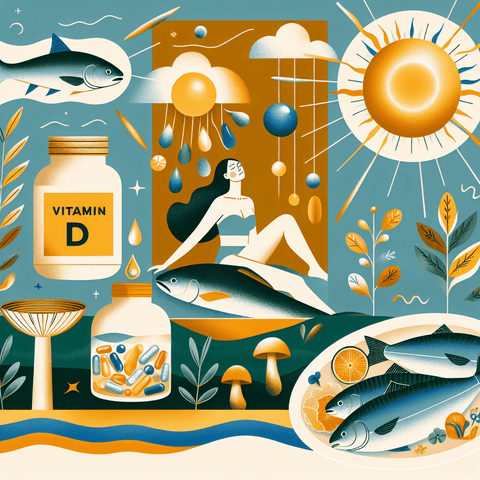
Le principali fonti di vitamina D sono la sintesi cutanea provocata dai raggi UVB, alcuni alimenti ricchi di vitamina D, i prodotti fortificati e gli integratori. In questa guida trovi esempi pratici, differenze tra vitamina D2 e D3, fattori che influenzano l’esposizione al sole e indicazioni per valutare una possibile carenza senza affidarti ai soli sintomi.
How to quickly raise your vitamin D levels? - Topvitamine
Oct 24, 2025
Per aumentare i livelli di vitamina D servono un approccio graduale e informazioni affidabili: un esame della 25(OH)D può chiarire la situazione, mentre alimenti, esposizione solare sicura e vitamina D3 possono contribuire al mantenimento di valori adeguati. L’articolo spiega anche perché la vitamina D può diminuire, cosa ostacola l’assorbimento, come scegliere un integratore e quando rivolgersi a un professionista sanitario.

Sun exposure is part of daily life for most people, whether during outdoor work, exercise, travel or simple time in the garden. While sunshine is a natural part of the environment, it also brings ultraviolet (UV) radiation, which is why managing exposure thoughtfully is a common concern. This page offers a broad overview of the topic: what sun exposure involves, the main ways to protect your skin, safe habits for everyday life, and how sunshine connects to wider themes such as vitamin D. The articles listed under this tag explore each of these areas in more detail.

What Is Sun Exposure?

Sun exposure refers to the contact your skin and eyes have with sunlight, and more specifically with the UV radiation it contains. UV radiation is commonly grouped into types such as UVA and UVB, which differ in how they interact with the skin. Both the intensity of the sun and the length of time spent outside influence how much UV you receive. Factors such as the season, time of day, altitude, cloud cover and your location all play a role, which is why sun exposure is best understood as a variable rather than a fixed amount.

Because exposure varies so much from person to person and day to day, there is no single universal rule for how much sun is appropriate. Instead, most practical guidance focuses on combining several protective habits and adjusting them to the conditions.

Protecting Your Skin: SPF, Shade and Clothing

Sun protection usually works best as a layered approach rather than a single measure. The most widely used methods include sunscreen, shade and protective clothing, each covering a different aspect of exposure.

Sunscreen and SPF Basics

SPF stands for Sun Protection Factor. In theory, higher numbers indicate more protection relative to unprotected skin, though no sunscreen blocks UV completely. A broad-spectrum product helps address both UVA and UVB. As a general habit, apply sunscreen to all exposed skin about 15 minutes before going outside, and reapply every two hours, or more often after swimming, towelling off or heavy sweating.

Shade as a First Line of Defence

Shade plays a key role in managing time in the sun. Practical options include:

  • Choosing shaded routes for walks or runs.
  • Planning breaks under trees, canopies or shade sails.
  • Using umbrellas or portable shade at the beach or in the garden.

Even in shade, UV rays can reach the skin indirectly, so shade works best in combination with other protective measures, especially during peak sunlight hours.

Protective Clothing and Accessories

Clothing adds a physical layer of defence. Long sleeves and trousers made from tightly woven fabrics, a wide-brimmed hat and sunglasses with UV protection are simple, reusable choices. Some garments carry a UPF (Ultraviolet Protection Factor) rating, which indicates how much UV the fabric blocks. Light colours and breathable materials can make protective clothing more comfortable in warm weather.

Safe Sun Habits for Everyday Life

Consistency matters more than perfection when it comes to sun safety. Small, repeatable habits make protection easier to maintain across different situations.

  • Plan outdoor activities around the intensity of the sun, which is generally higher around the middle of the day.
  • Take regular breaks in the shade during longer periods outdoors.
  • Keep a small sunscreen or sun-protective item handy when you are out.
  • Reapply sunscreen as needed and adjust your plans if conditions become more intense.
  • Combine methods: sunscreen, shade, clothing and timing work best together.

Sun Exposure and Vitamin D

Sunshine is closely associated with vitamin D, sometimes called the sunshine vitamin, because the body can produce it when the skin is exposed to UVB light. Questions about how much sun exposure a day is reasonable, what short periods of sunshine do for the body, and how long it takes to support vitamin D production are among the most common in this topic.

The answer depends on many individual factors, including skin tone, geographic location, season, time of day and lifestyle, so there is no single timeframe that applies to everyone. Balancing vitamin D considerations with skin protection is a personal decision, and anyone with questions about their own situation may wish to speak with a healthcare professional. For readers interested in the nutritional side, our vitamin D collection offers more context on this nutrient, including sources and general safety information.

Exploring Sun Exposure Further

Sun exposure touches on skin care, seasonal habits, outdoor lifestyles and nutrition, which is why it is best explored through several focused angles rather than one single rule. The articles collected under this tag dig into specific questions, such as recognising signs of too much sun, understanding SPF choices and the relationship between sunshine and vitamin D. Use this page as your map of the topic, then follow the linked articles for the detail behind each area.