
Sunshine Foods è un portale di momenti luminosi e soleggiati in cucina. Questa pagina si concentra sull'idea di cibi di sole, un'interpretazione giocosa di colore, luce e creatività che ti invita in un mondo in cui i pasti sono uplifting e spensierati. La fotografia cattura dolci mattine, luci decise di mezzogiorno e il bagliore delicato delle cucine serali, richiamando il nome e l'umore dei cibi di sole. Esplora le sezioni dedicate a colazioni soleggiate, pranzi vivaci e cene rapide—il cuore pulsante del sito. Ogni sezione abbina immagini leggere a idee concise e facili da seguire, pensate per stimolare la creatività senza complicazioni. Il layout utilizza tavolozze calde e tipografia pulita per enfatizzare il tema dei cibi di sole, guidandoti attraverso piatti ricchi di colore, texture e i ritmi della giornata. Dietro le quinte, i cibi di sole sono una questione di storytelling. Brevi note accompagnano ogni idea, condividendo l'atmosfera, l'ambiente e l'arte che rendono speciale ogni momento. Il contenuto mette in risalto metodi accessibili, consigli pratici e un viaggio visivo che celebra la luce, la stagionalità e l'equilibrio, tutto attraverso la lente dei cibi di sole. Pronto a passeggiare tra cucine luminose e idee soleggiate? Immergiti nella pagina dei Sunshine Foods, dove puoi scoprire nuove ispirazioni, salvare i preferiti e unirti a una community che apprezza estetiche luminose e allegre. I cibi di sole ti invitano a fermarti, esplorare e lasciarti guidare dall'umore della giornata nel tuo prossimo progetto.
Sunshine Foods: Ricette luminose e sane per alimentare le tue giornate
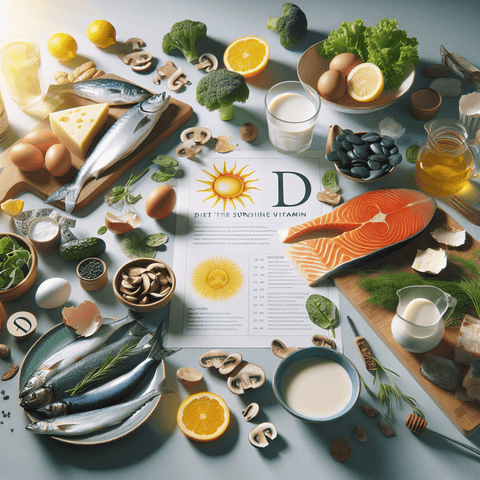
Sunshine foods are foods that provide vitamin D — the nutrient widely nicknamed the 'sunshine vitamin' because the skin makes it when exposed to sunlight. Since only a relatively small number of foods naturally contain useful amounts of vitamin D, understanding which foods genuinely contribute can make everyday meal planning much easier. This page offers a broad overview of the topic: what sunshine foods are, the main dietary sources, how they fit into a balanced diet, and where supplements come into the picture.
What Are Sunshine Foods?
In nutrition, the term sunshine foods describes vitamin D-rich foods: the ingredients and products that help supply a vitamin the body would otherwise produce through sun exposure. The phrase occasionally appears in other contexts — there are, for example, grocery stores with a similar name — but within health and supplements it refers to the foods covered on this page. What unites them is simple: they are among the few reliable ways to obtain vitamin D through diet, a nutrient that is otherwise difficult to find in meaningful quantities on any plate.
Vitamin D2 and Vitamin D3: A Quick Distinction
Two forms of the vitamin appear in food. Vitamin D3 (cholecalciferol) is found in animal-derived foods such as oily fish, egg yolks and liver, and is also the form most commonly used in supplements. Vitamin D2 (ergocalciferol) comes from plant and fungal sources, most notably mushrooms that have been exposed to ultraviolet light. Both forms contribute to vitamin D status, and both can appear in fortified products, so checking the label tells you which one a food contains.
Why Vitamin D Matters in the Diet
Vitamin D is best known for its contribution to the normal absorption and use of calcium and phosphorus and to the maintenance of normal bones. It also contributes to the normal function of the muscles and the immune system, which is why it attracts attention well beyond the darker months of the year.
What makes vitamin D unusual is that diet is only part of the story. For most people, sunlight on the skin is the main source, with food acting as a supporting contributor. That balance changes through the year: at higher latitudes, sunlight during autumn and winter is generally too weak for the skin to produce meaningful amounts, which is exactly when food sources — and discussions about topping up — tend to matter most. Individual needs vary, so the guidance below is general rather than personal advice.
Major Food Sources of Vitamin D
Naturally rich sources are limited and mostly animal-derived, while fortified products extend the choice for everyone else. The most frequently cited sunshine foods include:
- Oily fish: salmon, mackerel, sardines, herring and trout are widely regarded as the richest natural food sources of vitamin D, though exact amounts vary by species, season and origin.
- Egg yolks: a convenient everyday contribution; the vitamin D content depends partly on the hen's diet and exposure to daylight.
- UV-exposed mushrooms: mushrooms grown or treated under ultraviolet light provide vitamin D2, making them a valuable option for plant-based diets.
- Fortified foods: cow's milk, plant-based drinks, yogurts, breakfast cereals and margarine-style spreads are commonly fortified in many countries; always check the label.
- Cod liver oil and beef liver: traditional sources; cod liver oil in particular is concentrated, so serving sizes are typically small.
Fortified Foods and Plant-Based Options
Fortification rules and products differ from country to country, so two similar-looking cartons can contain very different amounts of vitamin D. Labels are the most dependable guide. For anyone following a vegetarian or vegan diet, UV-exposed mushrooms and fortified plant-based products are usually the primary dietary options, and supplementation often forms part of the conversation too — a point worth discussing with a healthcare professional.
Practical Ways to Add Sunshine Foods to Your Week
Because vitamin D is fat-soluble, many people find it helpful to enjoy vitamin D-rich foods alongside sources of dietary fat, such as olive oil, nuts or avocado. Beyond that, a few simple habits go a long way:
- Favour variety over a single hero ingredient — rotating oily fish, eggs, fortified products and mushrooms spreads the contribution across the week.
- Check labels on fortified items, since brands and recipes change over time.
- Think seasonally: oily fish fits naturally into autumn and winter menus when sunlight is limited.
- Keep portions and expectations realistic; food is one pillar of vitamin D intake, not the only one.
Sunshine Foods and Supplementation
Even with a well-planned diet, some people find it difficult to maintain their vitamin D intake — long winters, limited outdoor time, certain dietary patterns and life stages can all play a role. In those situations, supplements are a practical way to top up. Anyone who is pregnant, taking medication or managing a health condition should speak with a healthcare professional before starting a new supplement.
Topvitamine's vitamin D supplements collection focuses on that single nutrient with accompanying guidance on benefits, sources and safety. For a broader safety net, many readers also consider multivitamins, several of which include vitamin D alongside other everyday vitamins and minerals.
Beyond Vitamin D: Building a Nutrient-Dense Plate
Sunshine foods work best as part of an overall pattern of nutrient-dense eating rather than as a fix on their own. Pairing vitamin D sources with calcium-rich foods, leafy vegetables, quality proteins and healthy fats supports a more rounded approach to everyday nutrition. If you want to dig deeper into how food-based health claims are regulated, our superfoods guide explains EFSA-approved nutrient claims in plain language.
Frequently Asked Questions
What are sunshine foods?
Sunshine foods are foods that contain vitamin D, the nutrient the body produces when skin is exposed to sunlight. The group includes naturally rich sources such as oily fish, egg yolks and UV-exposed mushrooms, as well as fortified products like certain milks, plant-based drinks and breakfast cereals.
Which food is highest in vitamin D?
Oily fish such as salmon, herring, mackerel and sardines are commonly cited among the richest natural sources, while cod liver oil is particularly concentrated. Exact amounts vary considerably by species, season, preparation and brand, so nutrition labels and food composition tables are the most reliable reference.
Can you get enough vitamin D from food alone?
It depends on the person. Sunlight is the main source for most people, and diet alone can be challenging during darker months or for those following plant-based diets. Anyone unsure about their own intake is best served by discussing it with a healthcare professional, who can offer advice suited to their circumstances.
Do I need a vitamin D supplement?
That is an individual question. Supplements can be a practical option when sunlight and diet fall short, and many people consider them during autumn and winter. Because needs differ, it is sensible to seek personalised guidance from a healthcare professional rather than deciding based on general information alone.
Use this page as your map of the sunshine foods topic, then explore the individual articles collected under this tag for deeper dives into specific foods, forms of vitamin D and everyday routines.