Evitare integratori falsi: come verificare l'autenticità


La genuinità degli integratori è importante per i consumatori che desiderano sapere cosa stanno acquistando. L'autenticità degli integratori non riguarda solo l'etichetta frontale; si tratta di far corrispondere ogni elemento sulla confezione con quanto dichiarato dal produttore e con ciò che può essere verificato altrove. Questa pagina copre semplici passaggi: controllare le etichette, annotare i numeri di lotto, rivedere i certificati di analisi, cercare i sigilli GMP e considerare la fiducia nel marchio. Utilizzando questi controlli, puoi ridurre il rischio di acquistare prodotti contraffatti. Inizia con l'etichetta sulla bottiglia o sulla confezione del prodotto. Cerca il nome e la forma esatti del prodotto, un elenco completo degli ingredienti, la dose e la quantità netta. Verifica il nome del produttore e le informazioni di contatto, il numero di lotto o batch, la data di scadenza e le istruzioni di conservazione. Controlla se la confezione ha sigilli anti-manomissione, l'accuratezza dell'ortografia, i caratteri e la qualità generale della stampa. Se qualche elemento sembra incoerente con la pagina ufficiale del prodotto, segnala come potenziale segnale di allarme. I numeri di lotto collegano una specifica produzione ai documenti di test. Quando possibile, ottieni il Certificato di Analisi (COA) per il lotto che stai considerando. I COA devono provenire da un laboratorio accreditato di terze parti o dallo stesso produttore e devono dettagliarne gli ingredienti, la potenza e i risultati dei test su contaminanti. Verifica che il COA corrisponda al prodotto, al numero di lotto e alla data di scadenza. Se non riesci a trovare un COA o se il COA manca di dettagli chiave, procedi con cautela o scegli un'altra fonte. I sigilli GMP indicano conformità agli standard manufactoring; cerca sigilli di enti riconosciuti e assicurati che il sigillo sia aggiornato. Ricerca la reputazione del marchio controllando i siti ufficiali, le reti di distribuzione e i programmi di testing di terze parti. Preferisci prodotti di marchi che pubblicano i COA, mantenono un'etichettatura trasparente e partecipano a test indipendenti. Infine, confronta le inserzioni di diversi rivenditori di fiducia e canali ufficiali per assicurarti di vedere le stesse informazioni sul prodotto e sul lotto.


How to Identify Counterfeit Supplements and Avoid Online Scams - Topvitamine
Aug 28, 2025
Gli integratori contraffatti possono contenere ingredienti diversi da quelli dichiarati, dosaggi errati o contaminanti. Questa guida spiega come verificare integratori online controllando venditore, confezione, etichetta, lotto, scadenza, prezzo e modalità di pagamento. Troverai anche i segnali tipici delle truffe sugli integratori, le azioni da intraprendere in caso di dubbio e indicazioni prudenti sulla scelta di prodotti adatti alle proprie esigenze.

What are the Warning Signs of Counterfeit Supplements and How to Avoid Them - Topvitamine
Aug 27, 2025
Riconoscere gli integratori contraffatti richiede attenzione a venditore, confezione, etichetta, numero di lotto, sigilli e prezzo. Questa guida spiega come verificare l’autenticità degli integratori, quali segnali devono insospettire, cosa fare prima di assumerli e come segnalare un prodotto sospetto. Include anche indicazioni prudenti su marketplace, certificazioni di terze parti e acquisti di marchi come Kirkland.
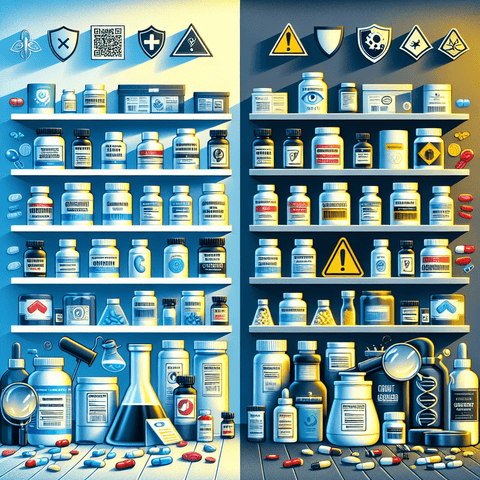
How to Tell if a Supplement Is Counterfeit and Avoid Fake Products - Topvitamine
Aug 26, 2025
Capire come riconoscere un integratore falso aiuta a ridurre il rischio di acquistare prodotti alterati, scaduti o con ingredienti diversi da quelli dichiarati. In questa guida trovi controlli pratici su confezione, etichetta degli integratori, numero di lotto, scadenza, venditore e certificazioni. Spieghiamo anche cosa fare se sospetti un prodotto contraffatto e quando chiedere consiglio a un professionista sanitario.

Supplement authenticity is a critical concern for anyone looking to support their health with vitamins, minerals, or other dietary products. With a growing market, the risk of encountering counterfeit, substandard, or mislabeled products has also increased. This guide provides a clear, practical framework for verifying the authenticity of your supplements. We will cover the essential checks, from reading labels correctly to understanding third-party testing and certifications, so you can make more informed and confident purchasing decisions.

Understanding Supplement Authenticity

Supplement authenticity is about confirming that the product in your hand is the same as what the manufacturer originally produced and intended for sale. A truly authentic product should be consistent in its formulation, labeling, and packaging. It must match the official product listings provided by the brand across their website and authorized retailers. When a product deviates from this standard, it raises a red flag. The goal of verifying authenticity is to ensure you are consuming a product that contains exactly what is stated on the label, in the correct amounts, from a reliable source.

Why Verifying Authenticity Matters

The primary reason for verifying supplement authenticity is safety. Counterfeit supplements are not regulated and may contain dangerous hidden ingredients, the wrong dosage of a nutrient, or toxic substances like heavy metals. Beyond safety, authenticity is about efficacy. If you are taking a supplement to address a specific nutrient gap, you need to be confident that the product contains the declared amount of the active ingredient. An authentic product from a reputable manufacturer provides this confidence, ensuring your money and effort are not wasted on an ineffective or potentially harmful counterfeit.

How to Spot Red Flags and Verify Authenticity

There are several key areas to examine when you are trying to determine if a supplement is genuine. These checks range from a physical inspection of the packaging to researching the brand's testing practices. By using a combination of these methods, you can significantly reduce the risk of buying a counterfeit product.

1. Visual Inspection of the Label and Packaging

Your first line of defense is a careful visual inspection. Look at the label and packaging closely for signs of tampering or low-quality printing. A genuine product typically has clear, sharp text and professional-looking packaging.

  • Check for spelling errors and inconsistent fonts.
  • Ensure the tamper-evident seal is intact.
  • Verify the print quality on the bottle and box is high definition.
  • Compare the product name, form, and net quantity against the official brand website.

While a high-quality counterfeit could still pass this test, you should treat any visual inconsistencies as a potential red flag and investigate further.

2. Using Batch Numbers and Certificates of Analysis (COAs)

A batch or lot number is a crucial tool for verifying authenticity. It connects a specific production run to its testing records. You can use this number to request a Certificate of Analysis (COA), which is a document from a laboratory that confirms the product's contents.

  1. Locate the batch or lot number printed on the product label.
  2. Search for a COA on the manufacturer's website or request one directly from them.
  3. Verify that the COA details, including the product name, batch number, and testing results, match the product you have in hand.

If a manufacturer is unable or unwilling to provide a COA for the specific batch, it is a strong signal that the product may not be authentic, or the brand may lack proper quality controls.

3. Checking for Third-Party Certifications and GMP Seals

Good Manufacturing Practices (GMP) seals and third-party certifications indicate that a facility adheres to specific quality standards. While the GMP seal signifies the manufacturer follows regulatory guidelines for production, third-party certifications like NSF or USP provide an extra layer of verification.

Look for these seals on the packaging, but always check that the seal is current and awarded to the specific product you are considering. A seal from a recognized testing organization is a strong indicator that the product has been independently checked for quality and purity.

Researching Brand Trustworthiness

A company's reputation is often a reflection of its commitment to quality and transparency. The most trustworthy supplement companies are typically open about their manufacturing processes, ingredient sourcing, and testing procedures.

  • Explore the brand's official website for detailed product information and educational resources.
  • Look for brands that routinely publish Certificates of Analysis (COAs) for their products.
  • Check if they participate in independent, third-party testing programs.
  • Compare their product listings across authorized retailers and their official channels for consistency in pricing and information.

If a brand is vague about its sourcing or does not provide access to test results, you may want to be cautious. We encourage you to explore our healthy origins supplements category, which focuses on brands that often prioritize transparent sourcing and quality control.

The Role of the Retailer in Authenticity

The retailer you purchase from also plays a significant role in supplement authenticity. Buying from authorized distributors or directly from the manufacturer's official website is the safest approach. These sources have a direct relationship with the brand and are less likely to sell counterfeit goods. Be wary of deep discounts on platforms that are not authorized sellers, as this can be a sign that the product has been tampered with or is not genuine.

Exploring the Wider Supplement Landscape

Understanding authenticity is the first step in making wise supplement choices. To build a complete routine, it is helpful to learn about different categories of nutrients and how they support your overall health. You might find our guides on natural supplements or specific nutrients like Vitamin D helpful as you continue your research.

Building Your Verification Routine

Confirming a product's authenticity does not need to be complicated. By integrating these checks into your routine, you can shop with greater confidence. Before you purchase a supplement, take a moment to consider its source and whether you can verify its claims. By being a diligent consumer, you can significantly reduce the risk of buying counterfeit products and ensure you are truly getting what you pay for. This general information is for educational purposes and should not replace professional medical advice.