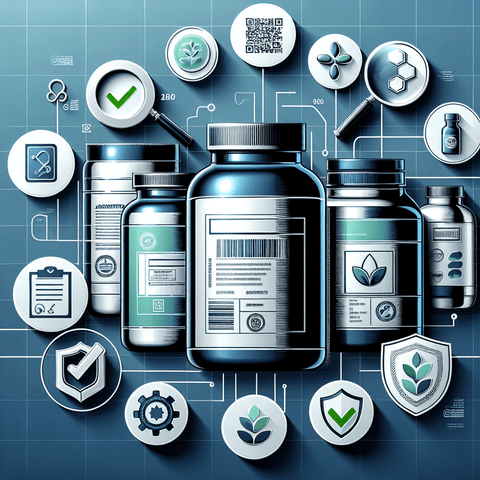
La prevenzione degli integratori contraffatti consiste nel verificare venditore, confezione, etichetta e numero di lotto prima di assumere un prodotto. I falsi possono contenere ingredienti o dosi diversi da quelli dichiarati, oppure sostanze non indicate: per ridurre il rischio, acquista da siti ufficiali o rivenditori autorizzati e controlla il prodotto quando arriva.
Perché la prevenzione degli integratori contraffatti è importante
Gli integratori sono regolamentati, ma in genere non sono sottoposti allo stesso processo di approvazione preventiva previsto per i medicinali. Le norme e i controlli variano in base al Paese; produttori e venditori hanno responsabilità specifiche, mentre la vigilanza delle autorità non elimina ogni rischio di falsificazione. Segnalazioni e controlli hanno documentato prodotti falsi o adulterati anche su marketplace, social media e canali di vendita non autorizzati.
Poiché vitamine, minerali e prodotti erboristici vengono spesso assunti con regolarità, un prodotto non autentico può risultare inefficace o esporre a ingredienti e quantità imprevedibili. Imparare a verificare la provenienza e la confezione è quindi una semplice abitudine di sicurezza quotidiana, non soltanto una precauzione per evitare una spesa inutile.
Cosa si intende per integratore falso, adulterato, contaminato o etichettato in modo errato
Questi termini descrivono problemi diversi, anche se possono presentarsi insieme. In tutti i casi, può diventare difficile sapere con certezza che cosa contiene il prodotto e in quale quantità.
- Contraffatto: imita deliberatamente un marchio o un prodotto autentico per ingannare chi acquista.
- Adulterato: contiene ingredienti non dichiarati; in alcuni casi sono stati rilevati farmaci o stimolanti non autorizzati.
- Contaminato: contiene sostanze indesiderate, per esempio metalli pesanti, batteri, pesticidi o allergeni.
- Etichettato in modo errato: il contenuto non corrisponde a quanto indicato, per esempio per dose, forma del nutriente o ingredienti omessi.
I rischi reali degli integratori falsi per la salute e per il portafoglio
Il danno economico può consistere nel pagare per un prodotto inefficace. La preoccupazione più seria riguarda però il contenuto sconosciuto: i possibili effetti dipendono da ciò che è effettivamente presente, dalla quantità e dalle condizioni individuali. Un prodotto potrebbe essere inerte, contenere un ingrediente diverso, introdurre un allergene non dichiarato o apportare quantità eccessive di un nutriente. Non è possibile prevedere l'esito dal solo aspetto della confezione.
Le autorità hanno segnalato prodotti, soprattutto in categorie come perdita di peso, prestazioni sessuali, bodybuilding ed energia, con sostanze farmacologiche non dichiarate, tra cui sibutramina, analoghi del sildenafil o composti simili agli steroidi anabolizzanti. In alcuni prodotti erboristici di provenienza discutibile sono stati inoltre rilevati metalli pesanti. Questi riscontri non significano che ogni prodotto sospetto causi danni, ma mostrano perché è importante non assumere contenuti di provenienza incerta.
Principi attivi farmaceutici nascosti e contaminanti nei prodotti falsi
Alcuni ingredienti nascosti possono influire sulla pressione arteriosa, sul sistema cardiovascolare o sul fegato; senza conoscere la composizione, il consumatore non può anticiparne la presenza. In determinati prodotti sono stati rilevati anche piombo, mercurio o arsenico. L'autenticità e i controlli indipendenti meritano particolare attenzione per categorie in cui sono state segnalate adulterazioni, come prodotti per dimagrimento e prestazioni sportive.
Come riconoscere gli integratori falsi: segnali d'allarme da conoscere
Un singolo difetto non dimostra necessariamente che un integratore sia falso, ma più anomalie insieme meritano cautela. Controlla la confezione prima dell'acquisto, se le immagini lo permettono, e di nuovo quando ricevi il prodotto.
- Stampa sfocata, etichette storte, errori di ortografia o materiali di confezionamento scadenti.
- Sigillo di sicurezza mancante, danneggiato o che sembra essere stato riapplicato.
- Numero di lotto o data di scadenza assenti.
- Nome o indirizzo del produttore mancanti o difficili da verificare.
- Compresse o capsule diverse dalle immagini ufficiali per colore, dimensioni o consistenza.
- Odore o gusto insolito, grumi, cambiamenti di colore o compresse danneggiate.
Anche il venditore e il modo in cui il prodotto viene presentato possono destare sospetti: prezzi molto inferiori a quelli abituali, negozi appena creati o senza una cronologia verificabile, contatti soltanto tramite social media e immagini che non corrispondono all'articolo spedito. Diffida inoltre di promesse di cura di malattie, dimagrimento rapido o aumento muscolare estremo, di informazioni di contatto vaghe e di recensioni che sembrano non autentiche. Se il produttore offre un codice QR, un codice da grattare o una ricerca per numero di lotto, usa il suo strumento ufficiale.
Da dove vengono gli integratori falsi e perché continuano a diffondersi
Le vendite online coinvolgono spesso molti venditori terzi e possono rendere più difficile controllare l'origine e la gestione dei prodotti. In alcuni magazzini condivisi, scorte provenienti da fonti diverse possono essere mescolate; per questo è utile verificare chi vende e spedisce l'articolo, anche quando si acquista su una piattaforma nota.
Il cosiddetto mercato grigio comprende prodotti autentici rivenduti al di fuori dei canali ufficiali. Non sono necessariamente contraffatti, ma potrebbero essere stati conservati male, essere scaduti o avere etichette non adatte al mercato di destinazione. Le categorie spesso prese di mira includono prodotti per la perdita di peso, integratori sportivi e per lo sviluppo muscolare, vitamine di marchi popolari ed estratti erboristici di fascia alta.
Abitudini pratiche per ridurre il rischio di acquistare integratori contraffatti
Preferisci il sito ufficiale del marchio o un rivenditore autorizzato. Prima di ordinare, controlla l'identità del venditore, le informazioni di contatto e la politica di reso; i negozi specializzati che si riforniscono direttamente dai marchi offrono in genere più trasparenza degli annunci anonimi. Una dieta varia può coprire il fabbisogno di molti nutrienti e aiutare a evitare integratori non necessari, anche se esigenze specifiche, come quelle relative alla vitamina D o alla vitamina B12, possono richiedere una valutazione individuale.
- Acquista direttamente dal marchio o da un rivenditore autorizzato, evitando venditori terzi sconosciuti.
- Prima dell'uso, verifica l'integrità della confezione, il numero di lotto e la data di scadenza.
- Diffida dei prezzi insolitamente bassi rispetto a quelli abituali.
- Controlla che l'etichetta riporti l'elenco degli ingredienti e le informazioni di sicurezza.
- Conserva la ricevuta e annota dove hai acquistato il prodotto.
- Segui le indicazioni di conservazione, tenendo l'integratore lontano da calore, umidità e luce quando previsto.
In che modo test di terze parti e certificazioni sostengono l'autenticità
Programmi come USP Verified, NSF Certified, NSF Certified for Sport e Informed Choice/Informed Sport applicano criteri e controlli propri. A seconda del programma, possono includere verifiche dell'identità o della quantità degli ingredienti, analisi di contaminanti, controlli di produzione o test per sostanze vietate nello sport. La conformità alle GMP riguarda pratiche di buona fabbricazione e non equivale, da sola, a una certificazione dell'efficacia del prodotto.
Un test indipendente o una certificazione non dimostra che un integratore sia efficace o adatto a ogni persona; inoltre, l'ambito dei controlli può variare e riferirsi a prodotti o lotti specifici. I loghi possono essere copiati dai contraffattori: verifica il prodotto nel database ufficiale dell'ente certificatore. Per gli atleti soggetti a controlli antidoping, le certificazioni specifiche per lo sport possono essere particolarmente pertinenti, ma non sostituiscono la verifica del prodotto e del lotto.
Come scegliere gli integratori tenendo a mente la prevenzione delle contraffazioni
Prima dell'acquisto, verifica che il venditore sia autorizzato, controlla l'indirizzo aziendale e il servizio clienti e cerca recensioni su piattaforme indipendenti. Esamina con attenzione il dominio del sito, evita pagamenti non tracciabili e fai particolare attenzione agli annunci sui social media. Quando il prodotto arriva, controlla sigillo, lotto e scadenza, confronta etichetta e confezione con le informazioni ufficiali e contatta il produttore se qualcosa non coincide.
Anche tra prodotti autentici possono cambiare forma, dose e composizione: per esempio, il magnesio può essere presente come ossido, citrato o glicinato. Un'etichetta chiara aiuta a capire cosa si sta scegliendo; le dosi eccessive di alcuni nutrienti possono essere dannose. I prodotti con un singolo ingrediente possono rendere più semplice identificare ciò che si assume, ma la scelta dipende dalle esigenze individuali e dalle indicazioni ricevute.
Come leggere l'etichetta di un integratore come verifica di autenticità
L'etichetta è un utile strumento di controllo, ma da sola non prova l'autenticità. Verifica che riporti informazioni coerenti e leggibili, come la forma del nutriente, la quantità per porzione, le indicazioni sugli allergeni e i dati del produttore.
- Informazioni nutrizionali o pannello equivalente, con quantità e dimensione della porzione.
- Forma del nutriente e, ove previsto, percentuali dei valori di riferimento.
- Elenco degli ingredienti e dichiarazioni sugli allergeni.
- Nome e indirizzo del produttore o dell'operatore responsabile.
- Numero di lotto e data di scadenza.
Miscele che non specificano le quantità, dosi implausibili, nomi di ingredienti poco chiari, numeri di lotto o scadenze mancanti e promesse di curare o prevenire malattie sono motivi per approfondire. Un singolo elemento non prova sempre una contraffazione, ma può indicare minore trasparenza e giustificare la verifica con il produttore o con un professionista qualificato.
Chi dovrebbe prestare particolare attenzione quando acquista integratori
L'attenzione è importante per tutti, ma un prodotto adulterato o con ingredienti non dichiarati può avere conseguenze più rilevanti per chi ha esigenze nutrizionali specifiche o condizioni di salute particolari. È opportuno prestare particolare cautela se si assume un integratore nell'ambito di un piano concordato con un professionista, durante la gravidanza o l'allattamento, o in presenza di terapie farmacologiche, allergie o patologie renali o epatiche.
Anche bambini e anziani possono richiedere una valutazione attenta. Gli atleti soggetti a controlli antidoping dovrebbero considerare prodotti con test specifici per lo sport e verificare il lotto, poiché la contaminazione o l'adulterazione può comportare il rischio di esposizione a sostanze vietate. Chi acquista spesso online può ridurre l'incertezza affidandosi a un numero limitato di rivenditori verificati e controllando periodicamente la loro autorizzazione.
Cosa fare se sospetti un integratore falso
Se la confezione o il contenuto destano sospetti, non assumere altro prodotto. Conserva la confezione, il numero di lotto, la ricevuta e le informazioni sull'acquisto. Contatta il produttore per chiedere una verifica e segnala il caso all'autorità competente per la sicurezza alimentare o dei medicinali del tuo Paese.
Se dopo l'assunzione compaiono sintomi insoliti, come una reazione allergica, battito cardiaco accelerato o vertigini, cerca prontamente assistenza medica e porta con te la confezione. Un farmacista o un medico può valutare la situazione; non è possibile stabilire da soli la causa dei sintomi.
Hai davvero bisogno di quell'integratore? Un quadro decisionale per un acquisto sicuro
Con una dieta varia, alcune persone possono soddisfare il proprio fabbisogno senza integratori; altre possono avere esigenze specifiche. Un'integrazione può essere presa in considerazione, per esempio, quando l'apporto alimentare è insufficiente, in alcune fasi della vita o quando un professionista valuta una necessità sulla base della storia personale o di esami appropriati. I fabbisogni variano e nessun prodotto è adatto a tutti.
Se stai valutando un integratore, scegli un prodotto con etichetta trasparente e provenienza verificabile, segui le indicazioni riportate e chiedi consiglio prima di assumere dosi elevate o se prendi farmaci. In caso di dubbi sulla necessità, gli esami e il confronto con un professionista sanitario sono più utili delle supposizioni.
Domande frequenti sugli integratori contraffatti
- Che cosa significa prevenire gli integratori contraffatti? Verificare venditore, confezione, lotto ed etichetta prima di assumere un prodotto.
- Quali sono i segnali di un integratore falso? Sigilli danneggiati o assenti, lotto o scadenza mancanti, errori di stampa, compresse diverse dalle immagini ufficiali, prezzi insolitamente bassi o venditori non verificabili.
- Gli integratori falsi sono pericolosi? Alcuni possono essere inerti, altri contenere ingredienti non dichiarati o contaminanti; il rischio dipende dal contenuto effettivo e dalle condizioni individuali.
- Quali prodotti vengono contraffatti più spesso? Sono state segnalate contraffazioni o adulterazioni in prodotti per dimagrimento, sviluppo muscolare e prestazioni, vitamine di marchi popolari ed estratti erboristici premium.
- È sicuro acquistare su un marketplace? Il rischio può essere maggiore quando vende un terzo sconosciuto. Se scegli un marketplace, verifica che l'articolo provenga dallo store ufficiale del marchio e controllalo alla consegna.
- Che cosa significa test di terze parti? Un'organizzazione indipendente ha eseguito controlli definiti dal proprio programma, che possono riguardare ingredienti, contaminanti o processi produttivi.
- I loghi di certificazione garantiscono l'autenticità? No: possono essere copiati. Controlla il prodotto nel database ufficiale dell'ente certificatore.
- Un integratore sospetto può influire sui test antidoping? Un prodotto adulterato o contaminato può esporre a sostanze vietate; gli atleti possono valutare prodotti testati per lo sport e verificare i lotti.
- Che cosa fare se ho già assunto un prodotto sospetto? Sospendine l'uso, conserva confezione e ricevuta e chiedi assistenza sanitaria se compaiono sintomi; segnala il caso al produttore e all'autorità competente.
- Come verificare se un marchio è legittimo? Controlla indirizzo e contatti, verifica eventuali certificazioni nei database ufficiali e consulta l'elenco dei rivenditori autorizzati.
Punti chiave sulla prevenzione degli integratori contraffatti
- Verifica venditore, confezione, etichetta e numero di lotto prima di assumere un integratore.
- Contraffatto, adulterato, contaminato ed etichettato in modo errato descrivono problemi diversi, ma tutti possono rendere incerto il contenuto.
- In alcuni prodotti falsi o adulterati sono stati rilevati farmaci non dichiarati e contaminanti; il rischio varia in base al prodotto e alla persona.
- Prezzi molto bassi, sigilli o lotti mancanti, etichette poco chiare e promesse miracolose sono campanelli d'allarme.
- Acquista da siti ufficiali o rivenditori autorizzati e usa gli strumenti di verifica del produttore.
- Certificazioni e test possono offrire informazioni sui controlli svolti, ma non garantiscono efficacia o idoneità personale; verifica i loghi presso l'ente certificatore.
- Una dieta varia può ridurre il ricorso a integratori non necessari, senza sostituire la valutazione di esigenze specifiche.
- Atleti, persone in gravidanza, chi assume farmaci e chi ha esigenze sanitarie particolari dovrebbe prestare particolare attenzione alla provenienza.
- Se sospetti un falso, interrompine l'assunzione, conserva la confezione e segnala il caso al produttore e all'autorità competente.