
it scopre i diversi percorsi nei metodi di consegna degli integratori—pillole, liquidi o polveri—e come ogni opzione plasmi la tua routine quotidiana. Quando valuti questi formati, i fattori chiave da considerare includono assorbimento, gusto, dosaggio e facilità d'uso. Concentrandoti su questi aspetti pratici, puoi individuare quale metodo di consegna si allinea alle tue preferenze e al tuo stile di vita. Questa panoramica si concentra sulle realtà di come ciascun metodo si comporta nell'uso quotidiano. Le pillole offrono un dosaggio familiare e portabilità all'interno del campo dei metodi di consegna degli integratori. Poiché inghiotti un'unità discreta, il gusto di solito non è un fattore una volta che la capsula o la compressa sono assunte, e il dosaggio rimane semplice con una quantità definita per unità. Tendono ad essere stabili, hanno una lunga durata di conservazione e sono facili da conservare o mettere in valigia per i viaggi. Alcune persone, tuttavia, potrebbero trovare difficile inghiottire le capsule, e alcune formulazioni potrebbero richiedere più unità per raggiungere una dose totale desiderata, influenzando la comodità. I liquidi rappresentano un altro ramo comune dei metodi di consegna degli integratori e possono offrire diversi vantaggi. Spesso permettono un aggiustamento più facile della dose con un contagocce o un tappo, e alcuni utenti percepiscono una dissoluzione più rapida nella pratica. Il gusto è un fattore centrale, poiché il sapore e la dolcezza possono influenzare l'esperienza. I liquidi possono presentare rischi di versamento e potrebbero richiedere una conservazione attenta o refrigerazione, influenzando la facilità d'uso in determinati contesti. Le polveri rappresentano un'opzione flessibile tra i metodi di consegna degli integratori, adatte per essere miscelate con bevande o mescolate in liquidi. Sniffare con un cucchiaio o pesare ti dà il controllo sulla quantità, e le polveri possono essere compatte per i viaggi. La preparazione è un fattore, poiché potresti aver bisogno di mescolare e garantire una completa dissoluzione, e il gusto può variare molto a seconda del prodotto e del metodo di preparazione. Per quanto riguarda la praticità, le polveri offrono flessibilità ma aggiungono un passaggio di preparazione, quindi la tua routine e il tuo ambiente guideranno se questo metodo si adatta meglio.
I migliori metodi di consegna degli integratori: pillole, liquidi e polveri spiegati
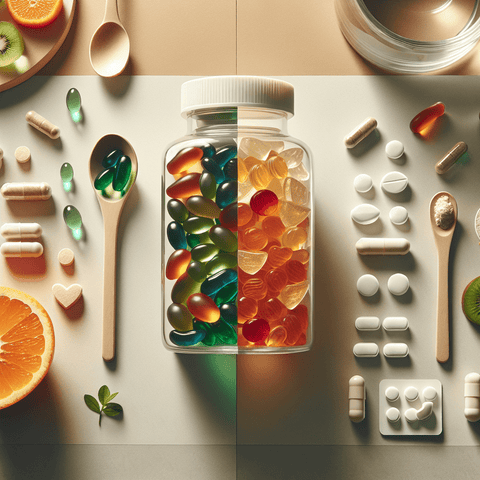
Supplement delivery methods describe the various physical forms in which dietary supplements are produced and consumed. The most common categories are pills, which include tablets and capsules; liquids, such as tinctures and drinkable solutions; and powders that are typically mixed into drinks or food. The choice of format can affect everything from convenience and portability to dosing accuracy and taste. This page provides an overview of these main delivery methods to help you understand their general characteristics and consider which form might fit best into your lifestyle.
What Are the Main Supplement Delivery Methods?
Dietary supplements are available in several formats, and each one has its own set of general advantages and potential drawbacks. The most widely used methods include pills, liquids, and powders, though other forms like gummies and softgels also exist. Understanding the basic nature of each format is the first step in choosing a supplement that matches your needs.
Pills: Tablets and Capsules
Pills are among the most common supplement delivery methods. They are typically valued for their ease of use and precise dosing, as each unit contains a defined amount of the active ingredient. Pills are also generally portable and have a long shelf life. Some people may find tablets or capsules difficult to swallow, and certain formulations may require taking multiple pills to achieve the desired dose.
Liquids: Drops and Drinkable Solutions
Liquid supplements offer an alternative for those who prefer not to swallow pills. They often allow for flexible dosing, as the amount can be adjusted using a dropper or measuring cup. Liquids are typically absorbed quickly by the body. On the other hand, they may have a noticeable taste, require refrigeration after opening, and pose a risk of spills. They can also be less convenient for travel compared to pills.
Powders: Mixable and Versatile
Powdered supplements are versatile and can be mixed into water, smoothies, or other beverages. They offer flexibility in dosing, allowing you to measure out the amount you need. Powders are often economical for larger quantities. However, they do require preparation time and a mixing tool, and the taste may not appeal to everyone. Measuring scoops can also introduce variability in dosing if not used carefully.
What Factors Should You Consider When Choosing a Delivery Method?
Choosing between pills, liquids, and powders involves weighing several practical factors. There is no universally superior method; the best choice depends on your personal preferences, daily routine, and any specific needs you might have. Common considerations include:
- Convenience: How easy is the supplement to take on a daily basis? Pills are generally the most portable, while powders and liquids may require additional steps.
- Dosing accuracy: Pills offer a fixed dose per unit, making them straightforward. Liquids and powders require careful measurement.
- Taste and texture: Pills are often tasteless, whereas liquids and powders have flavors that may or may not be appealing.
- Portability: Pills are easy to carry in a bottle or pill organizer. Liquids and powders can be more cumbersome, especially when traveling.
- Swallowing ability: For individuals who have difficulty swallowing tablets, liquids or powders may be a more comfortable option.
Understanding Nutrient Absorption and Supplement Forms
A common point of interest when comparing supplement delivery methods is how quickly the body absorbs the nutrients. Liquids are often thought to be absorbed faster than pills or powders, as they do not need to dissolve first. However, the actual rate of absorption can depend on many factors, including the specific nutrient, the formulation, and whether it is taken with food. Both pills and powders are designed to release their contents for absorption, but the precise rate can vary between products.
It is also worth noting that the form of a supplement does not necessarily determine its quality. A well-formulated pill can be just as effective as a liquid or powder. The choice often comes down to personal preference and which format you are most likely to take consistently. For a broader look at vitamins and minerals, you might explore our vitamin and mineral supplement categories.
How to Choose the Right Delivery Method for Your Lifestyle
Selecting a supplement delivery method is a personal decision that depends on how a product fits into your daily life. Consider your schedule, your environment, and any physical limitations. If you are frequently on the go, pills might be the most practical choice due to their portability and ease of use. If you are at home and prefer a flexible dosing option, a liquid or powder could be a better fit.
Another aspect to consider is whether you need to take multiple supplements. Some people find it easier to take a few pills, while others might prefer to mix a powder into a morning smoothie. There is no right or wrong answer, but thinking about your habits can help you make a consistent choice. Remember that the best supplement is one that you will actually take as directed.
Exploring the Topic Further
This page provides a broad overview of the main supplement delivery methods. More detailed information about specific nutrients, their benefits, and their potential roles in health can be found in our dedicated supplement guides. For instance, if you are interested in a particular nutrient, you can explore our vitamin A, vitamin D, vitamin B, vitamin C, and vitamin E guides. Each of these resources offers deeper insight into the specific nutrients available in various supplement forms.
In addition, if you are looking for specific types of supplements, we have a range of collections that might be relevant. For example, our multivitamins guide covers combination products, and our minerals guide provides information on supplements like magnesium and calcium. You can browse these collections to find products that match your interests and needs.