
Discover come vitamine e integratori possono distorcere i risultati dei test del sangue capendo le interazioni degli integratori con i test del sangue. Queste interazioni possono verificarsi quando le sostanze che si assumono entrano nel processo di test e influenzano come i risultati vengono letti o interpretati. Concentrarsi sulle interazioni degli integratori con i test del sangue aiuta a stabilire aspettative per l'accuratezza e il contesto prima di sottoporsi al test. Diversi meccanismi possono determinare queste interazioni, tra cui come un integratore potrebbe influenzare la chimica di un campione,Alterare l'attività degli enzimi o influenzare la stabilità di alcune misurazioni durante l'elaborazione. A causa di queste possibilità, i risultati dei test potrebbero riflettere la presenza di un integratore oltre al fattore principale valutato. Riconoscere che le interazioni degli integratori con i test del sangue possano verificarsi sottolinea l'importanza di avere informazioni complete sul proprio regime quando si pianificano e si riportano i test. Consigli pratici di preparazione includono preparare un elenco completo di tutte le vitamine, minerali e altri integratori assunti, con relativi dosaggi e il momento dell'ultima assunzione, e condividere questa lista con il medico o il laboratorio di prova. Portare queste informazioni all'appuntamento permette di interpretare i risultati nel contesto appropriato. Seguire anche eventuali istruzioni di preparazione fornite dal laboratorio, come il digiuno o le linee guida sui tempi, e porre domande se non si è sicuri di come la propria routine possa interagire con i test programmati. Il giorno del test, segnalare eventuali cambiamenti recenti nel proprio regime di integratori e confermare se si deve continuare normalmente o modificare i tempi secondo le indicazioni del medico. Se si è incerti, contattare il laboratorio o il medico prima che venga prelevato il campione. Considerando le interazioni degli integratori con i test del sangue e mantenendo un'organizzazione sulle proprie assunzioni, si può supportare un'interpretazione più affidabile dei risultati.
Supplements e Test di Sangue: Come le Tue Vitamine Possono Distorgere i Risultati e Come Prepararsi
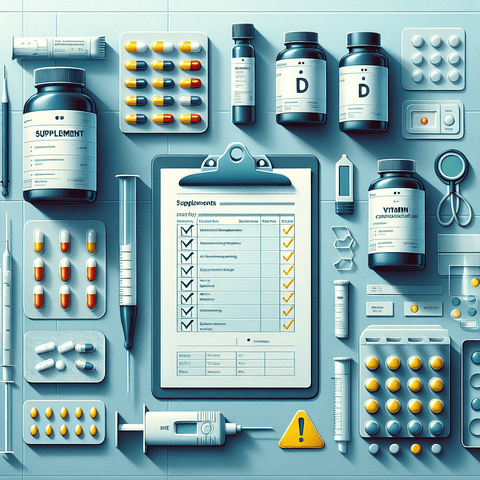
Millions of people take dietary supplements daily, from multivitamins to specialized herbal formulations. While these products can support nutritional needs, many people overlook a crucial consideration: supplement interactions with blood tests. The vitamins, minerals, and botanical compounds you consume can significantly influence laboratory results, sometimes leading to inaccurate diagnoses and unnecessary medical procedures. Understanding these interactions helps you prepare properly for blood work and ensures that your test results genuinely reflect your health status.
This guide explains why supplements and blood tests can conflict, which nutrients commonly interfere with specific lab panels, and practical steps you can take to prepare for accurate testing. We'll explore the mechanisms behind these interactions, provide general guidance on when to pause supplements, and help you navigate conversations with your healthcare provider about your supplement regimen.
What Are Supplement Interactions with Blood Tests?
Supplement interactions with blood tests occur when dietary supplements alter laboratory measurements in ways that do not reflect a person's true physiological state. These interactions happen through two primary mechanisms: direct interference with the analytical process in the laboratory, or biological effects within the body that temporarily change the concentration of a particular biomarker.
Direct interference typically involves the supplement's chemical components reacting with the reagents used in laboratory assays. For example, high doses of biotin can bind to the streptavidin molecules used in many immunoassay tests, disrupting the reaction and producing distorted results. Biological interference occurs when a supplement genuinely alters a physiological process, such as how quickly the liver clears certain substances or how much of a hormone the thyroid gland releases, thereby changing the blood concentration of that substance.
The distinction matters because direct laboratory interference often requires the supplement to be present at high concentrations in the blood, while physiological effects may occur at typical supplement doses. Understanding which mechanism applies to your supplements helps determine how long you may need to stop taking them before your test.
Common Supplements and Their Effects on Blood Tests
Several popular supplements have well-documented effects on specific blood tests. While this list is not exhaustive, it covers the most common interactions that healthcare providers routinely encounter.
Biotin (Vitamin B7)
Biotin is perhaps the most significant cause of supplement interference with blood tests. This water-soluble B-vitamin is found in many multivitamins, hair and nail supplements, and prenatal formulations. High doses—typically those above 1 mg per day—can interfere with immunoassays that use biotin-streptavidin technology, which includes tests for thyroid function (TSH, T3, T4), troponin (a cardiac marker), and certain hormone panels. Depending on the assay design, biotin can cause results that are falsely elevated or falsely depressed, making it particularly dangerous in cardiac evaluations.
The FDA has issued warnings about this interaction, and most laboratory professionals recommend stopping biotin supplementation at least 72 hours before blood tests that use immunoassay methods.
Vitamin C
High doses of vitamin C can interfere with several laboratory tests, including blood glucose measurements using certain point-of-care devices and tests for uric acid, creatinine, and other metabolites. Vitamin C is a reducing agent that can affect colorimetric assays, leading to falsely low glucose readings in diabetics who use glucometers with glucose oxidase technology. This is particularly concerning for people taking gram-level doses of vitamin C supplements while monitoring their blood sugar.
Most laboratory methods are less affected by vitamin C than point-of-care tests, but informing your provider about high-dose supplementation remains essential for accurate interpretation.
B-Complex Vitamins
B-complex supplements contain a range of B vitamins, including folate, B6, and B12, which can affect specific blood tests. High doses of biotin in B-complex formulas produce the same immunoassay interference described above. Elevated vitamin B12 levels from supplementation can mask a genuine B12 deficiency on lab tests, and high doses of vitamin B6 can interfere with certain enzyme-based assays for liver function. Furthermore, elevated B12 levels may cause diagnosticians to overlook serious conditions that actually produce high B12, such as some blood disorders.
Vitamin D
Vitamin D supplementation is extremely common, and vitamin D levels are frequently measured through blood tests. The interaction here is different: vitamin D supplements genuinely increase blood levels of 25-hydroxyvitamin D, which is what the test measures. While this is not a false reading, it may not accurately reflect the vitamin D status from sunlight and diet alone, potentially leading to inappropriate dosing adjustments. More importantly, very high doses of vitamin D can increase blood calcium levels, which may affect tests for parathyroid hormone and calcium metabolism.
Calcium and Mineral Supplements
Calcium supplements can directly raise blood calcium levels, which is the parameter being tested in calcium panels. This makes it difficult to distinguish between genuine metabolic abnormalities and recent supplement intake. Similarly, iron supplements can significantly elevate serum iron and ferritin levels, potentially masking iron deficiency or falsely suggesting iron overload. Zinc supplementation can interfere with copper absorption and alter copper test results, while magnesium supplements can transiently raise serum magnesium levels.
Herbal Supplements
Many herbal supplements have documented effects on blood test results. Garlic and ginkgo supplements can affect platelet function tests, potentially influencing surgical decisions. St. John's Wort is a well-known inducer of liver enzymes, which can reduce blood concentrations of many medications and affect liver function tests. Turmeric and curcumin supplements may alter liver enzyme levels and have blood-thinning effects that could influence coagulation tests. These botanical interactions often arise from genuine physiological effects rather than laboratory interference.
Why You Should Tell Your Doctor About Supplements Before Blood Work
Accurate blood test results depend on both laboratory accuracy and proper patient preparation. When a healthcare provider interprets a lab result, they assume that the measured values reflect the body's actual state. Supplement interactions violate this assumption, potentially leading to diagnostic errors. The consequences can range from missed diagnoses to unnecessary procedures.
For example, a falsely normal thyroid test in a patient with genuine hypothyroidism might delay treatment, allowing symptoms to worsen. A falsely elevated troponin level could trigger an unnecessary emergency cardiac evaluation and hospitalization. Falsely low glucose readings could prevent recognition of poorly controlled diabetes, increasing the risk of long-term complications. These scenarios emphasize why transparency about supplement use is not just a matter of form-filling but a critical component of diagnostic accuracy.
If you engage in regular blood testing for chronic conditions like diabetes, hyperlipidemia, or thyroid disease, maintaining a consistent supplementation routine (and informing your doctor about it) can help establish reliable baseline readings. Consistency matters as much as pausing supplements for certain tests.
How Long Should You Stop Taking Supplements Before a Blood Test?
The recommended washout period varies depending on the supplement and the type of blood test. The table below provides general guidance, but you should always follow your healthcare provider's specific instructions.
General guidelines fall into three tiers:
- Water-soluble vitamins (B-complex, vitamin C): 24–48 hours
- Fat-soluble vitamins (A, D, E, K): 48–72 hours or longer
- Herbal supplements and fish oil: 48–72 hours (unless testing platelet function)
These timelines are practical estimates rather than universal rules. The actual duration depends on the supplement's half-life in your body, the dose you take, and the sensitivity of the laboratory test. For supplements with long half-lives, such as vitamin E or certain medicinal mushrooms, your doctor may recommend a longer washout period.
Practical Tips for Preparing for Blood Tests While Taking Supplements
Managing supplement interactions with blood tests requires preparation and communication. By following the steps below, you can help ensure your blood work is as accurate as possible.
- Review your supplement list before your appointment and write down every product you take, including brand names, dosages, and frequency.
- Inform your healthcare provider about your supplement regimen, not just your prescription medications. Many providers ask about supplements; be thorough in your response.
- Ask about specific washout periods for the tests you're having. Not every test requires pausing supplements, and your provider can guide you based on the specific lab assays being used.
- Follow fasting instructions carefully. Some tests, such as lipid panels and fasting glucose, require 8–12 hours of fasting, and supplements taken with food might affect these results.
- Resume your supplements only after your blood draw, and always according to your healthcare provider's instructions. Do not double up on doses if you missed a few days before testing.
- If a test result seems inconsistent with your symptoms, remind your provider about any supplements you recently stopped or resumed, as this context may explain the discrepancy.
Special Considerations for Different Types of Blood Tests
Different laboratory panels have varying sensitivities to supplement interference. While it's impossible to list every combination, understanding the general categories helps you ask the right questions.
Thyroid Function Tests
Thyroid tests (TSH, free T3, free T4) are among the most commonly affected by supplements, particularly biotin. Even moderate biotin doses can distort these results, and many clinicians now routinely ask patients to stop biotin-containing supplements for 3–5 days before thyroid testing. Iodine supplements can also affect thyroid function, as can herbal formulations containing ashwagandha or bladderwrack.
Cardiac Marker Tests
Troponin tests, which help diagnose heart attacks, are particularly vulnerable to biotin interference. The FDA has reported cases of falsely low troponin levels in patients taking high doses of biotin, which could delay diagnosis of acute coronary syndrome. Other cardiac markers like B-type natriuretic peptide (BNP) and high-sensitivity C-reactive protein (hs-CRP) can also be affected by various supplements.
Glucose and Lipid Panels
Fasting blood glucose can be altered by vitamin C supplementation depending on the assay method used. Lipid panels, while generally less affected by supplements, can be influenced by fish oil supplements, which may modestly lower triglyceride levels. Niacin (vitamin B3) in high doses also significantly affects lipid metabolism and will alter cholesterol test results.
Liver and Kidney Function Tests
Liver enzyme tests (AST, ALT) can be affected by many herbal supplements, including green tea extract and certain traditional medicines. High doses of vitamin A can be toxic to the liver and elevate these enzymes. Kidney function tests (BUN, creatinine, eGFR) may be influenced by creatine supplements, which are popular among athletes and can elevate creatinine levels without indicating genuine kidney dysfunction.
Understanding the Mechanisms of Interference
To appreciate why certain supplements affect blood tests, it helps to understand the basic mechanisms involved:
- Immunoassay interference: Many blood tests rely on antibodies and enzyme-linked reactions. Biotin-streptavidin systems, used in countless assays, are vulnerable to high biotin levels in the blood.
- Enzyme activation or inhibition: Some supplements directly affect the enzymes used in laboratory tests. High-dose vitamin C, for instance, can interfere with enzymatic glucose tests.
- Colorimetric interference: Tests that measure color changes (chromogenic assays) can be distorted by supplements that have natural colors or reducing properties, such as beetroot extract or vitamin C.
- Physiological alteration: Unlike the above mechanisms, some supplements genuinely change biomarker concentrations. For example, niacin reduces cholesterol levels by inhibiting its production in the liver.
- Herbal pharmacodynamics: Botanical compounds often have multiple actions in the body, including effects on drug-metabolizing enzymes, plasma protein binding, and cellular signaling pathways, all of which can affect circulating biomarker levels.
The Role of Healthcare Providers in Managing Supplement Interactions
Healthcare providers play an essential role in identifying and managing supplement interactions with blood tests. In an ideal scenario, your provider would review all supplements before ordering lab work and specify which ones to pause. However, many providers lack comprehensive training in supplement pharmacology, and the onus is often on the patient to volunteer this information.
When you receive a lab order, consider asking your provider: "Are there any supplements I should stop taking before this test?" This simple question can prevent many common pitfalls. If your provider is unfamiliar with supplement interactions, you may need to seek out a pharmacist or a healthcare professional with additional nutritional training.
For people managing chronic conditions with frequent lab monitoring, maintaining a consistent supplement routine is often easier than repeatedly pausing and resuming supplements. In such cases, your healthcare provider can interpret results with the knowledge that you consistently take certain supplements, establishing an individualized baseline.
Supplements That Are Generally Safe Before Blood Tests
Not every supplement requires a washout period. Many common supplements have minimal effects on standard blood tests when taken in standard doses. If you are taking only a standard multivitamin in moderate doses, the risk of significant interference is generally low, though there are still exceptions (such as biotin in high-dose B-complex formulas).
Collagen supplements, probiotics, and most single amino acids typically do not affect standard blood work. However, this does not mean they are free of all interactions with laboratory assays. Your provider is the best person to advise on your specific situation.
The Bottom Line: Prioritize Accuracy in Blood Testing
Supplement interactions with blood tests represent a significant but manageable concern. The key is proactive communication: informing your healthcare provider about everything you take, following washout instructions, and understanding which supplements are likely to affect which tests.
While it might seem tedious to pause supplements before blood work, the consequences of inaccurate results can be far more disruptive. A short interruption in your supplement routine is a small price to pay for lab results that can be trusted.
For those who want to learn more about specific supplement categories and their general properties, exploring our natural supplements collection or reviewing the vitamin D guidance may provide additional context. However, always consult your healthcare provider before making decisions about stopping supplements before medical tests.