Etichetta degli integratori decodifica: impara a leggere ingredienti, dosaggi e sicurezza come un professionista


La decodifica delle etichette degli integratori è una competenza pratica per leggere con sicurezza le etichette dei prodotti. In questa pagina, imparerai quali ingredienti sono importanti, come leggere le dosi e come valutare la sicurezza come un professionista, così da poter fare scelte più intelligenti e sicure già da oggi. L'idea centrale è concentrarsi sull'etichetta stessa—i nomi, le quantità e le note che compaiono sulla confezione—senza lasciarsi distrarre dalle affermazioni di marketing. Domina la decodifica delle etichette degli integratori e potrai affrontare ogni prodotto con una lista di controllo chiara e metodica. Inizia con le basi sull'etichetta: la porzione, la dimensione della porzione e il numero di porzioni per contenitore. La lista degli ingredienti dovrebbe mostrare gli ingredienti attivi e tutte le altre sostanze incluse nella formula. Nota la quantità per porzione e le unità utilizzate (mg, mcg, IU, ecc.), e confrontale con eventuali valori giornalieri dichiarati, se disponibili. Se vedi una "miscela proprietaria", sii consapevole che le quantità esatte degli ingredienti singoli potrebbero non essere divulgate, il che può limitare la trasparenza. Cerca coerenza tra l'etichetta e il conteggio delle porzioni dichiarato. Per un'analisi orientata alla sicurezza, controlla eventuali dichiarazioni su allergeni e avvisi o cautelazioni riguardanti gruppi specifici. Esamina se l'etichetta menziona possibili interazioni, raccomandazioni di conservazione, e codici di scadenza o lotto. Certificazioni come USP Verified o NSF Certified for Sport, e riferimenti alle Buone Pratiche di Produzione (GMP) possono indicare un impegno per la qualità, ma non sono garanzie; verifica chi ha condotto i test e cosa è stato testato. Raccogli informazioni di base sul prodotto come il nome del produttore e i dettagli di contatto, e annota il numero di lotto o di batch per la tracciabilità. Metti tutto in pratica creando una semplice lista di controllo per le etichette che puoi usare con diversi prodotti: porzione, quantità per porzione, presenza di miscele proprietarie, informazioni sugli allergeni, avvisi, certificazioni e data di scadenza. Quando incontri ingredienti sconosciuti, cercali in risorse di riferimento affidabili e rivedi il glossario degli ingredienti o le note sull'etichetta. Confronta almeno due prodotti per vedere come si confrontano su questi parametri e conserva le note in un unico luogo per costruire un riferimento personale nel tempo. Con una pratica costante nella decodifica delle etichette degli integratori, puoi fare scelte più intelligenti e sicure già da oggi.


Unlocking the Truth About Supplement Labels: What Every Consumer Must Know - Topvitamine
Aug 31, 2025
Capire le etichette degli integratori aiuta a confrontare ingredienti, quantità, porzioni, allergeni e indicazioni d’uso. Questa guida spiega che cosa significa trasparenza degli ingredienti, come riconoscere formulazioni poco chiare, quale ruolo hanno i test di terze parti e come interpretare le regole negli Stati Uniti e in Europa. Troverai anche criteri pratici per valutare un prodotto senza confondere il marketing con le prove disponibili.

Supplement label decoding is a practical skill for reading product labels with confidence. In this guide, you'll learn which ingredients matter, how to read doses, and how to evaluate safety like a pro, so you can make smarter, safer choices today. The core idea is to focus on the label itself—the names, amounts, and notes that appear on the packaging—without getting distracted by marketing claims. By mastering supplement label decoding, you can approach each product with a clear, methodical checklist.

Start with the Basics: Serving Size and Servings per Container

The foundation of any supplement label is the serving size and the number of servings per container. The serving size tells you the amount of product recommended for one use, such as one capsule, two tablets, or one scoop of powder. The number of servings per container indicates how many of those doses are in the bottle. These two pieces of information are the starting point for all other label calculations and comparisons.

For example, if a label says the serving size is two capsules and there are 60 capsules in the bottle, the container holds 30 servings. This helps you understand how long a product will last and allows you to compare value and dosage between similar items. Always check for consistency between the serving size and the stated serving count on the label.

Reading the Ingredient List and Understanding Doses

The ingredient list should clearly show the active ingredients and any other substances included in the formula. For each active ingredient, the label must state the amount per serving. These amounts are expressed in units like milligrams (mg), micrograms (mcg), or International Units (IU). When available, the label will also list the Percent Daily Value (%DV), which shows how much a nutrient in a serving contributes to a daily diet based on established reference amounts.

When evaluating ingredient lists, be particularly attentive to a few key elements:

  • Compare the amount per serving to any stated daily value to understand its relative contribution.
  • Note the units used (mg, mcg, IU) to correctly interpret the dose.
  • Be aware that a “proprietary blend” may not disclose the exact amounts of individual ingredients, which can limit transparency.

Evaluating Certification and Quality Markers

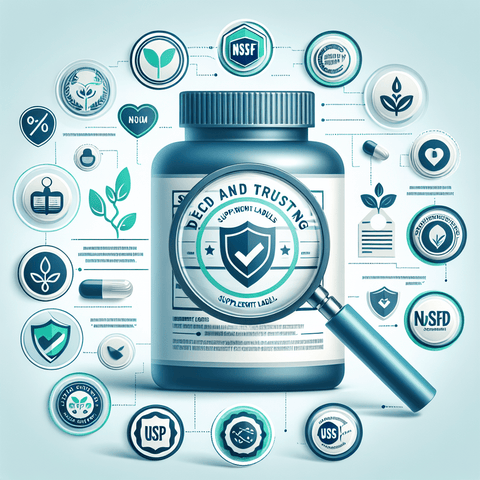
Certifications like USP Verified or NSF Certified for Sport, and references to Good Manufacturing Practice (GMP), can signal a commitment to quality. However, these marks are not automatic guarantees. It's wise to verify who conducted the testing and what was actually tested. Third-party certifications often mean a product has been tested for identity, purity, strength, and composition, but the scope can vary between programs.

Understanding NSF Certification

NSF certification is a specific type of third-party testing that verifies a product contains the ingredients listed on the label, in the declared amounts, and does not contain undeclared contaminants. Some NSF programs, like NSF Certified for Sport, are designed for athletes and include additional screening for substances banned in sport. To verify certification, you can look for the NSF mark on the label and check the product on the NSF official website.

A common question is whether it is better to buy NSF-certified vitamins than regular vitamins. NSF certification provides an extra layer of quality assurance through independent testing, which can be particularly important for competitive athletes or those who require high confidence in product purity. However, many reputable brands use other recognized third-party testing services or follow strict GMP guidelines without NSF certification.

NSF-Certified vs. Non-Certified Supplements

The main difference between NSF-certified and non-certified supplements can be summarized as follows:

  • NSF-Certified: Undergoes independent, third-party testing for label accuracy and banned substances (in sport-specific programs).
  • Non-Certified: May still follow Good Manufacturing Practices and have quality control, but does not have the same level of independent verification.

This additional verification can be an important factor in your purchasing decision, especially if you require third-party assurance of what's in your supplements. You can look up which brands are NSF certified by visiting the NSF website and searching their database.

Spotting Misleading Label Claims and Understanding Regulations

Supplement labels are subject to regulations, but the rules differ from those for pharmaceuticals. The FDA regulates dietary supplements under the Dietary Supplement Health and Education Act (DSHEA). This means manufacturers are responsible for ensuring their products are safe and their claims are not false or misleading, but products do not need FDA approval before going to market. Understanding this can help you view marketing claims with appropriate skepticism.

Here are some tips for reading nutrition labels effectively and spotting misleading claims:

  • Focus on the Supplement Facts panel, not the front of the package.
  • Be wary of claims that sound too good to be true, such as “miracle cure” or “rapid” results.
  • Look for a clear list of ingredients with specific amounts, and be cautious of products that rely heavily on proprietary blends.
  • Check for a manufacturer's address and contact information, which indicates accountability.

Building Your Personal Label-Decoding Checklist

To put your skills into practice, create a quick label-checklist you can use across products. This will help you evaluate supplements consistently and efficiently, making you a more confident and informed consumer.

  • Serving size and servings per container
  • Per-serving amounts of active ingredients (mg, mcg, IU)
  • Presence of proprietary blends
  • Allergen information and warnings
  • Certifications (e.g., NSF, USP) and GMP references
  • Expiration date and lot/batch number

When you encounter unfamiliar ingredients, look them up in reputable reference resources. Review the ingredient glossary or label notes if available. Compare at least two products to see how they stack up on these criteria, and keep your notes in one place to build a personal reference over time. With consistent practice in supplement label decoding, you can make smarter, safer choices today.

Exploring the Topic Further

Reading labels well is a general skill that applies to all supplements. Once you understand the basics, you can apply this knowledge to specific product categories. For example, you can use your label-reading skills to evaluate ingredients in multivitamins, understand the forms of minerals like magnesium, or compare the sourcing of herbal supplements.

Learning to read labels is a foundational step. To further your understanding of specific nutrients, you can explore guides on vitamin D, multivitamins, and more to see how label information applies to different types of products.