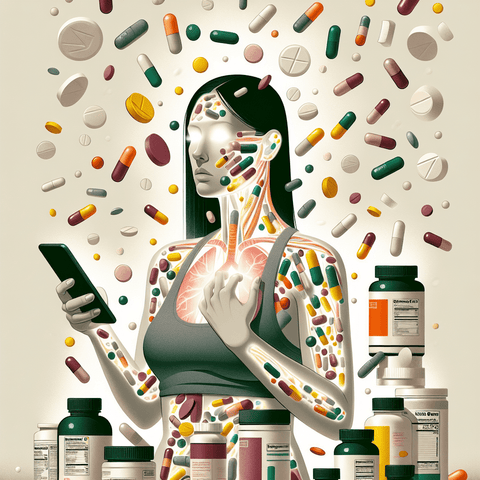
Inappropriate use of supplementi: i pericoli nascosti e come utilizzarli in modo sicuro


Risiko di abuso di integratori rappresenta una minaccia reale per molte persone, spesso nascosta dietro un packaging accattivante e affermazioni audaci. Questa pagina analizza i pericoli nascosti, con un focus pratico nel individuare i rischi, evitare interazioni e seguire linee guida supportate dagli esperti. Concentrandosi sugli aspetti negativi potenziali dell’uso di integratori anziché sui risultati promessi, si mira a incoraggiare decisioni attente e informate. I pericoli nascosti associati all’abuso di integratori possono includere prodotti mal etichettati o contaminati, variazioni tra i lotti e dosaggi poco chiari o ingannevoli. Quando più prodotti condividono ingredienti simili, aumenta il rischio di superare le quantità sicure. Possono verificarsi interazioni con farmaci su prescrizione o da banco, e individui con condizioni mediche o che consumano alcol potrebbero sperimentare effetti inattesi. Il panorama regolatorio per gli integratori può essere incoerente, quindi qualità e composizione possono variare anche tra prodotti commercializzati come simili. Per individuare i rischi, è necessario esaminare attentamente le etichette dei prodotti, le liste di ingredienti e le certificazioni ufficiali, evitando prodotti con informazioni incomplete o marketing esagerato rispetto a ciò che un prodotto può davvero offrire. Passi pratici includono tenere un diario personale di ciò che si assume, evitare duplicazioni tra prodotti e consultare un professionista della salute prima di iniziare un nuovo integratore—specialmente se si assumono farmaci o si hanno problemi di salute. Essere cauti riguardo le combinazioni e limitarsi a ingredienti chiaramente dichiarati aiuta a ridurre il rischio di abuso di integratori. Seguire linee guida pratiche e supportate dagli esperti può aiutare a prevenire problemi. Cercare prodotti che divulghino tutti gli ingredienti e le quantità, e considerare test o certificazioni di terze parti come parte della propria due diligence, pur riconoscendo che nessuna certificazione garantisce la sicurezza in tutte le situazioni. Attenersi sempre alle istruzioni sull’etichetta, dichiarare tutti gli integratori al proprio medico, ed evitare di affidarsi a testimonianze o marketing ingannevole. Conservare i prodotti in modo sicuro, controllare le date di scadenza e sospendere l’uso in caso di sintomi nuovi o insoliti. Affrontando l’uso di integratori con attenzione, si può ridurre il rischio di abuso e fare scelte più sicure e informate.


10 Supplement Habits That Backfire - Topvitamine
Apr 05, 2026
Gli errori con gli integratori non riguardano solo la dose: anche sovrapposizioni tra prodotti, interazioni con farmaci, ingredienti non necessari e uso prolungato possono creare problemi. Questa guida spiega come leggere le etichette, valutare vitamine, minerali, probiotici, fibre ed estratti vegetali e costruire una routine più prudente, senza sostituire una dieta varia o il parere di un professionista sanitario.
Are You Taking Too Many Supplements? Signs, Risks, and How to Simplify Your Routine - Topvitamine
Aug 29, 2025
Troppi integratori non significano necessariamente più benessere: prodotti diversi possono contenere gli stessi nutrienti e aumentare il rischio di effetti indesiderati. Questa guida spiega quali sintomi osservare, perché vitamine e minerali ad alte dosi possono essere problematici, come controllare le quantità totali e come semplificare la routine. Include anche indicazioni prudenti su integratori utili, glicemia e uso durante o dopo un trattamento oncologico.

Dietary supplements are widely used to support health and well-being, but their popularity also brings an important responsibility: understanding how to use them correctly. Supplement misuse is a broad term that covers a range of behaviours, from taking excessive doses to combining products without understanding potential interactions. This guide provides a comprehensive overview of supplement misuse, its potential risks, and practical steps you can take to use supplements safely and effectively.

By gaining a clearer understanding of what supplement misuse looks like, why it happens, and how to avoid it, you can make more informed decisions about your health. This page explores the key dimensions of the topic, including safety regulations, common types of misuse, and essential tips for responsible supplementation.

What Is Supplement Misuse?

Supplement misuse can be defined as the inappropriate or unsafe use of dietary supplements. This includes several distinct behaviours and situations:

  • Taking higher doses than recommended on the label.
  • Combining multiple supplements that contain the same ingredients, inadvertently exceeding safe levels.
  • Using supplements for purposes that have not been scientifically validated.
  • Ignoring potential interactions with prescription medications or existing health conditions.
  • Using supplements as a substitute for a balanced diet or prescribed medical treatment.

Misuse can occur with any type of supplement, including vitamins, minerals, herbal products, and sports nutrition formulas. The underlying issue is often a lack of awareness about what supplements actually contain and how they affect the body.

Why Do People Misuse Supplements?

Understanding the reasons behind supplement misuse can help address the problem more effectively. Several common factors contribute to unsafe supplement practices:

  • The misconception that natural products are always safe, regardless of dose or combination.
  • Desire for quick results, particularly with weight loss, muscle building, or improved energy.
  • Lack of clear guidance from healthcare professionals about supplement use.
  • Misleading marketing claims that exaggerate benefits or downplay risks.
  • Limited understanding of how ingredients work, including cumulative effects when multiple products are taken together.

By recognising these drivers, it becomes possible to approach supplementation with greater caution and to seek reliable information before making choices.

Potential Risks Associated with Supplement Misuse

The risks of supplement misuse range from mild to severe, and they can affect different people in different ways. Being aware of these potential dangers is a crucial part of responsible supplementation.

Risk of Toxicity from Excessive Doses

Taking very high doses of certain vitamins or minerals can lead to toxicity. For example, fat-soluble vitamins such as vitamin A and vitamin D are stored in the body, and excessive intake can accumulate over time, potentially causing harmful effects. Even water-soluble vitamins, when taken in extremely large amounts, may cause adverse reactions such as digestive upset or nerve damage in the case of vitamin B6.

Interactions with Medications and Other Supplements

Supplements can interact with prescription and over-the-counter medications, altering their effectiveness or increasing the risk of side effects. Some supplements may also interact with each other. For example, taking a high dose of vitamin K alongside blood-thinning medication can interfere with its intended effect. Similarly, combining multiple supplements with sedative properties could lead to excessive drowsiness. It is always important to tell your healthcare provider about every supplement you take.

Adverse Effects on Existing Health Conditions

Certain supplements can worsen specific health conditions. For example, some herbal remedies may affect blood pressure or heart rhythm, which could be problematic for individuals with cardiovascular issues. People with kidney or liver disease may also need to be cautious, as these organs are responsible for processing supplements. If you have an existing health condition, it is especially important to seek professional advice before taking supplements.

Understanding Supplement Regulations and Quality

The regulatory landscape for dietary supplements is complex. In many regions, supplements are regulated as foods rather than as drugs, which means they are not subject to the same pre-market safety and efficacy testing as pharmaceutical drugs. This highlights the importance of being an informed consumer.

Authorities such as the U.S. Food and Drug Administration (FDA) in the United States and the European Food Safety Authority (EFSA) in Europe provide oversight, but their role is often focused on post-market monitoring rather than pre-approval. This means that manufacturers are generally responsible for ensuring their products are safe and that their labels are truthful. However, issues such as mislabeling, contamination, or unsubstantiated claims can still occur.

  • Look for products that have been third-party tested for quality and purity.
  • Choose reputable brands with transparent ingredient lists.
  • Be wary of products that make exaggerated or sensational claims.
  • Check for clear label information, including the amount of each active ingredient.

Becoming familiar with the regulations in your region and understanding what quality markers to look for can significantly reduce the risk of encountering low-quality or unsafe products.

How to Use Supplements Safely and Responsibly

Adopting a safe and responsible approach to supplements involves a few key principles. By following these guidelines, you can maximise potential benefits while minimising the risk of harm.

Start with Professional Guidance

Before starting any new supplement, talk to your doctor or a qualified healthcare professional. This is particularly important if you are pregnant, breastfeeding, have a chronic health condition, or are taking any medications. They can help you determine whether a supplement is necessary and what an appropriate dose might be.

Read and Follow Label Instructions

Always read the supplement label carefully and follow the recommended dosage instructions. Understand the serving size and how often you should take the product. Do not assume that taking more will give you better or faster results.

Be Aware of What You Are Taking

Keep track of all the supplements you take. This includes vitamins, minerals, herbal products, and any other supplements. Review the ingredient lists to avoid unintentional duplication of ingredients. Consider keeping a simple log of what you take and when, which can be useful for discussions with your healthcare provider.

Focus on a Balanced Diet First

Supplements should complement, not replace, a balanced and varied diet. Whole foods provide a complex mix of nutrients, fibre, and other beneficial compounds that cannot be replicated by supplements alone. Prioritise obtaining nutrients from food sources whenever possible and use supplements to fill specific gaps identified with the help of a professional.

Recognising When a Supplement May Be Unsafe

If you experience any unexpected symptoms after taking a supplement, stop using it and consult a healthcare professional. Symptoms such as a racing heartbeat, elevated blood pressure, severe headache, digestive problems, or unusual fatigue may indicate an adverse reaction. It is also important to report any suspected adverse effects to the relevant health authority in your country, as this contributes to overall product safety monitoring.

Exploring Supplement Types and Categories

The world of supplements is vast, encompassing many different categories of products. Understanding the broad types of supplements available can help you navigate the topic of supplement misuse more effectively. These categories include vitamins, minerals, herbal and botanical extracts, amino acids, probiotics, and specialised sports nutrition formulas.

To learn more about specific supplement categories and their general considerations, you may find the following resources helpful:

These resources provide a foundation for understanding different supplement types and can help you make more informed decisions.

Key Takeaways for Avoiding Supplement Misuse

  • Treat supplements with the same respect you would give any medication.
  • Always tell your healthcare provider about the supplements you take.
  • Avoid taking multiple products with the same or similar ingredients without professional guidance.
  • Choose products from reputable brands that provide clear and transparent labelling.
  • Remember that supplements are not a replacement for a healthy lifestyle and medical treatment.

Supplement misuse is a significant and often overlooked concern. By educating yourself about the potential risks, understanding what to look for in a product, and consulting with healthcare professionals, you can approach supplementation with confidence and caution. The goal is not to discourage supplement use but to promote safe, informed, and responsible choices that support your overall health and well-being.