
Un quadro pratico per le misure di sicurezza degli integratori inizia con quattro passaggi: leggere le etichette, verificare le certificazioni, evitare truffe e scegliere con sicurezza integratori sicuri. Concentrandosi su un'etichettatura trasparente, una verifica credibile di terze parti e una selezione accurata dei prodotti, puoi navigare nel mercato con maggiore chiarezza. Queste misure di sicurezza degli integratori ti aiutano a valutare ciò che stai considerando di acquistare e a ridurre l'esposizione a informazioni incerte o fuorvianti. Leggere le etichette è una componente fondamentale delle misure di sicurezza degli integratori. Esamina la lista degli ingredienti, la dimensione della porzione e le quantità specifiche degli ingredienti attivi. Cerca dichiarazioni su allergeni, riempitivi e potenziali contaminanti. Nota il paese di produzione, il nome del produttore e le informazioni di contatto, nonché la data di scadenza o di "consumo preferibile". Fai attenzione alle dichiarazioni vaghe di “miscela proprietaria” che non specificano le quantità esatte, e verifica le affermazioni che mancano di dettagli di supporto. Questa accurata analisi delle etichette è una misura di sicurezza fondamentale per gli integratori. La verifica delle certificazioni rappresenta un’altra misura essenziale di sicurezza degli integratori. Cerca prodotti con loghi di organizzazioni di terze parti riconosciute come USP, NSF International o altri organismi accreditati pertinenti alla tua regione. Quando vedi una certificazione, verifica lo stato attuale sul sito web dell’organizzazione certificante e controlla il nome del prodotto e il numero di lotto. Assicurati che la certificazione copra la categoria di prodotto specifica e che il lotto del prodotto non sia scaduto. Inoltre, conferma che la produzione rispetti gli standard GMP, ove applicabile. Includere questo passaggio rafforza il tuo approccio alle misure di sicurezza degli integratori. Evitare truffe e scegliere con sicurezza integratori sicuri valutando il venditore e il marchio. Acquista da marchi affidabili con politiche trasparenti, informazioni di contatto facilmente reperibili e opzioni di reso chiare. Sii cauto con prezzi insolitamente bassi, affermazioni straordinarie o pressioni per acquistare rapidamente. Confronta i prodotti tra rivenditori affidabili e verifica i numeri di lotto o batch quando disponibili. Seguendo queste misure di sicurezza degli integratori, puoi prendere decisioni di acquisto più informate e promuovere l’integrità del prodotto.
Misure di Sicurezza sugli Integratori: Consigli per Scegliere Integratori Sicuri
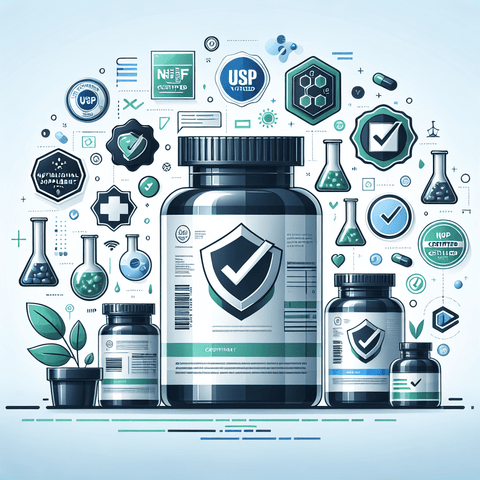
Navigating the world of dietary supplements involves more than just choosing a brand or a familiar ingredient. A thoughtful approach to supplement safety measures can help you evaluate products with greater confidence and avoid misleading information. This guide provides a broad framework for understanding how to assess supplements, from reading labels to verifying certifications and spotting potential red flags.
Reading Supplement Labels Carefully
Reading the label is a foundational step in any supplement safety routine. It is the first point of contact with the product's factual information and can tell you a great deal about its transparency and quality.
When reviewing a label, pay attention to the following elements:
- The ingredient list and the specific amount of each active ingredient.
- Information on allergens, fillers, and other additives.
- The country of manufacture and the manufacturer’s name and contact information.
- The expiration or best-by date to ensure freshness.
Be cautious of vague terms such as “proprietary blend” when they do not break out the exact amounts of each ingredient. Similarly, watch for health claims that lack supporting detail or seem too good to be true. Scrutinising these details is a core supplement safety measure.
Verifying Third-Party Certifications
Another essential supplement safety measure is verification of certifications. Many reputable products carry logos from independent organisations that test for quality and purity. However, simply seeing a logo is not enough; you should take steps to verify that the certification is valid and applicable.
Consider the following when checking certifications:
- Look for well-known third-party seals such as USP, NSF International, or other accredited bodies relevant to your region.
- Verify the certification's current status on the certifying body’s official website.
- Check that the product name and lot number on the package match the certification for that specific product.
- Confirm that Good Manufacturing Practices (GMP) compliance is indicated where applicable.
Taking these steps strengthens your approach to supplement safety measures by ensuring that a certification isn't just a logo but a meaningful indicator of quality. For a deeper look at the types of products that are subject to these standards, you might explore our range of natural supplements.
How to Spot Supplement Red Flags
Understanding what to look for can help you identify products that may not meet appropriate safety standards. Recognising red flags is a proactive supplement safety measure that can save you from wasting money or, more importantly, from using an unsafe product.
Common red flags include:
- Unrealistic or extraordinary claims about health benefits.
- A lack of transparent contact information for the manufacturer or seller.
- Unusually low prices that seem too good to be true.
- Pressure tactics to buy immediately or a refusal to provide batch or lot numbers.
Being able to spot these signs is a valuable part of choosing safe supplements.
Choosing Safe Supplements: Practical Considerations
Beyond reading labels and verifying certifications, there are broader considerations that contribute to supplement safety. The process of choosing safe supplements involves evaluating the seller, the brand, and even the type of product you're considering.
A few practical steps can help:
- Purchase from reputable brands with clear policies, accessible customer service, and easy return options.
- Compare products across different reputable retailers to get a sense of standard pricing and quality.
- Verify batch or lot numbers whenever they are available, as this links a specific product to its quality tests.
For example, if you are looking for specific types of supplements, it can be helpful to review our guide to herbal supplements or explore multivitamin safety and usage information to understand more about how these categories are regulated and what to look for.
The Importance of a Critical Mindset
Ultimately, supplement safety measures are built on a foundation of critical thinking. It involves understanding that the supplement industry is diverse and that not all products are created equal. By approaching each purchase with a set of clear questions—about the label, the certification, the brand, and the claims—you put yourself in a stronger position to make decisions that align with your health goals.
This guide is intended for educational purposes and provides a general framework for evaluating supplements. It is not a substitute for professional medical advice. Always consult with a qualified healthcare provider before starting any new supplement, especially if you have underlying health conditions or are taking medication.