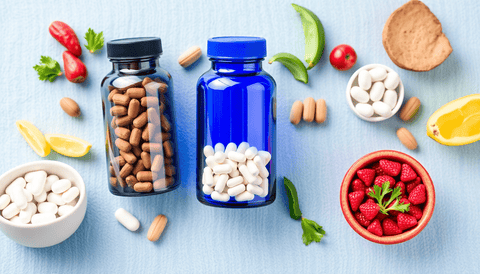
Unlock optimal nutrition with vegan diet supplements. This page explores supplements vegan diet options and what to consider when integrating them into a vegan lifestyle. We cover the range of vitamins and minerals commonly discussed in this context, as well as guidance for evaluating products. Tap to learn more. Within supplements vegan diet, you’ll encounter nutrients that are frequently discussed in vegan-focused conversations, including B12, vitamin D, iodine, iron, calcium, algae-based omega-3s, and zinc. Products appear in a variety of forms and dosages, and label information can vary, so comparing options helps when reviewing what’s available. Quality and sourcing matter when selecting supplements vegan diet items. Look for clear ingredient lists, vegan certifications, and third-party testing, along with transparent production practices. Also note potential cross-contact considerations or allergen statements, and be mindful of additives or non-vegan ingredients. To make informed choices, review your needs, read product labels carefully, and consider consulting a professional for personalized guidance. The topic of supplements vegan diet covers practical aspects such as form, dosage, and duration of use. Tap to learn more. --- Sblocca un'alimentazione ottimale con gli integratori per diete vegane. Questa pagina esplora le opzioni di integratori per diete vegane e cosa considerare quando si integrano nella propria routine vegana. Copriamo la gamma di vitamine e minerali comunemente discussi in questo contesto, oltre a fornire indicazioni per valutare i prodotti. Tocca per saperne di più. All’interno degli integratori per diete vegane, troverai nutrienti spesso discussi nelle conversazioni focalizzate sul veganismo, tra cui B12, vitamina D, iodio, ferro, calcio, omega-3 a base di alghe e zinco. I prodotti si presentano in diverse forme e dosaggi, e le informazioni sulle etichette possono variare, quindi confrontare le opzioni aiuta a capire cosa è disponibile. La qualità e l’origine sono importanti nella selezione degli integratori vegani. Cerca etichette con ingredienti chiari, certificazioni vegane e test di terze parti, oltre a pratiche di produzione trasparenti. Nota anche eventuali considerazioni sul contatto incrociato o dichiarazioni di allergeni, e fai attenzione ad additivi o ingredienti non vegani. Per fare scelte informate, valuta le tue esigenze, leggi attentamente le etichette dei prodotti e valuta di consultare un professionista per consigli personalizzati. L’argomento degli integratori per diete vegane copre aspetti pratici come forma, dosaggio e durata dell’uso. Tocca per saperne di più.
Integratori per la dieta vegana: vitamine essenziali per una nutrizione ottimale
A vegan diet focuses on foods derived from plants, and with careful planning, it can provide almost all the nutrients your body needs. However, for a few specific vitamins and minerals, plant-based sources alone may not always be sufficient. This guide explores the role of supplements in a vegan diet, offering a practical overview of what to consider for a balanced nutritional approach.
This guide is designed as a starting point for understanding the core principles of vegan supplementation, helping you navigate your own health journey with confidence and knowledge. We'll explore the key nutrients, how to evaluate different products, and practical tips for making informed choices.
What is a Vegan Diet Supplement?
A vegan diet supplement is a product designed to provide specific vitamins, minerals, or other nutrients that might be lacking in a plant-based diet. They come in many forms, from single-nutrient capsules to comprehensive multivitamins. The goal is not to replace whole foods but to support a well-planned diet and help cover potential nutritional gaps.
Within the context of a vegan lifestyle, certain nutrients are more likely to require attention. This includes vitamin B12, which is naturally found almost exclusively in animal products. While fortified foods like plant milks and nutritional yeast contain B12, many vegans choose supplements to ensure they meet their needs reliably.
Understanding which nutrients are most commonly discussed is the first step. Here are the key supplements for a vegan diet:
- Vitamin B12
- Vitamin D
- Omega-3 fatty acids (EPA and DHA)
- Iron
- Calcium
- Iodine
- Zinc
- Selenium
Key Nutrients and Their Role
Several nutrients are the focus of most conversations about supplementation on a vegan diet. Each plays a unique role in maintaining health, and their sources in the plant kingdom can vary significantly.
Vitamin B12
Vitamin B12 is crucial for nerve function, red blood cell production, and DNA synthesis. Since it's not naturally present in plant foods, it's the most critical nutrient to consider supplementing on a vegan diet. Many plant-based milks and breakfast cereals are fortified with B12, but a daily supplement is often recommended to ensure adequate intake.
Vitamin D
Vitamin D supports calcium absorption, immune function, and bone health. Our bodies produce it when skin is exposed to sunlight, but this can be insufficient during winter months or for those who spend most of their time indoors. While some plant milks are fortified, a supplement might be a more reliable source. Look for vegan-friendly D3 derived from lichen or D2.
Omega-3 Fatty Acids (EPA & DHA)
Omega-3s are important for heart, brain, and eye health. The most active forms, EPA and DHA, are commonly found in fish oil. For vegans, algae-based supplements provide a direct and sustainable source of these omega-3s, making them a popular and effective choice.
Iron, Iodine, and Zinc
Iron is essential for carrying oxygen in the blood. The type of iron in plants (non-heme iron) is less easily absorbed than the iron from meat. Iodine is needed for thyroid function and is often found in dairy and seafood. Zinc supports immune function and wound healing; while found in legumes and nuts, its availability can be a consideration. A balanced vegan diet can often provide these, but a supplement can be a useful backup for some individuals.
How to Choose Quality Vegan Supplements
Navigating the supplement aisle can be overwhelming. To make the process easier, focus on a few important markers of quality. A clear ingredient list is non-negotiable. You should be able to understand what's in the product, the form of the nutrients, and the dosage.
Look for a vegan certification seal on the product packaging. This ensures that no animal-derived ingredients or by-products have been used. Independent third-party testing is another valuable indicator, as it verifies that the product contains what it claims and is free from harmful contaminants.
Also, consider the following:
- Transparent production practices.
- Potential cross-contact or allergen statements.
- The form of the nutrient (e.g., cyanocobalamin vs. methylcobalamin for B12).
- Additives that are not necessary.
Practical Considerations for Supplementing
Incorporating supplements into a daily routine is often about finding what works best for you. Consider factors like the form of the supplement—tablets, capsules, liquids, or powders—and when you prefer to take them, for instance, with a meal or on an empty stomach. Some supplements may be better absorbed when taken with food.
It is also important to review dosage instructions carefully. Consistency is generally more important than taking a high dose occasionally. Always follow the recommended dosage on the product label and be aware that taking more than the recommended amount is not necessarily better and could be counterproductive.
Exploring the Topic Further
This guide serves as an introduction to the broader topic of vegan supplementation. For more detailed information on specific ingredients, you can explore our guide on vitamin B or understand more about vitamin D. For a comprehensive approach, a well-formulated multivitamin guide can be a helpful resource. Each of these categories provides a deeper look into specific nutrients that are often part of a vegan supplement routine.