Integratori Testati da Terze Parti: Verifica da Laboratori Indipendenti di cui Puoi Fidarti


test, verifica indipendente e analisi di laboratori terzi sono essenziali per confermare purezza, potenza e sicurezza degli integratori. Gli integratori testati da terzi vengono valutati da laboratori neutrali e accreditati che non hanno interessi finanziari nel prodotto. Questa separazione aiuta a garantire che ciò che si trova sull’etichetta corrisponda al contenuto reale e che gli standard di qualità siano applicati in modo coerente. Una reportistica trasparente da queste valutazioni offre ai marchi un percorso chiaro per dimostrare responsabilità verso i consumatori. Durante la verifica, i laboratori confermano l’identità degli ingredienti, quantificano i componenti attivi e controllano la presenza di contaminanti e impurità. Le strutture accreditate usano metodi validati e seguono protocolli stabiliti per produrre un certificato di analisi (COA) per ogni lotto. I COA, spesso pubblicati dai marchi, forniscono dettagli su lotti testati, metodi di test e risultati, permettendo ai consumatori di esaminare i dati dietro le affermazioni sull’etichetta. Affidarsi a integratori testati da terzi sostiene un mercato in cui i marchi sono motivati a mantenere un alto controllo di qualità e una corretta annotazione. La verifica indipendente favorisce la coerenza tra produzioni e fornitori, contribuendo a ridurre le discrepanze tra le affermazioni sull’etichetta e la composizione effettiva. Prioritizzando risultati trasparenti, gli acquirenti sono autorizzati a confrontare i prodotti con fiducia. Clicca per vedere marchi affidabili con risultati trasparenti.


How to Detect Fake Supplements in 2026: Expert Guide - Topvitamine
Aug 23, 2026
Counterfeit supplements are a growing concern, with studies showing that up to 40% of tested products don't contain the labeled ingredients. This guide explains how to verify authenticity using third-party certifications, label inspection, batch number checks, and safe purchasing practices. You'll also learn red flags to avoid and how to report suspicious products to protect others.
Third-Party Tested Supplements: How to Find Certified Quality - Topvitamine
Jul 31, 2026
Non tutti gli integratori sono creati uguali e la FDA non li approva preventivamente per sicurezza o accuratezza. I test di terze parti da parte di laboratori indipendenti come NSF, USP e Informed Sport verificano che ciò che è riportato sull'etichetta corrisponda a ciò che è nella bottiglia. Questa guida spiega la differenza tra test e certificazione, come leggere le etichette degli integratori per individuare i sigilli, e quali marchi hanno guadagnato la tua fiducia. Che tu sia un atleta, un genitore o semplicemente attento alla salute, impara a scegliere integratori supportati dalla scienza reale.
Third-party tested supplements - Topvitamine
Jul 29, 2026
Third-Party Tested Supplements: What They Are and Why They MatterThird-party tested supplements are evaluated by an independent organization—not the manufacturer—to verify quality, purity, and label accuracy. This means an external lab checks that the product contains what its label claims and is free from harmful contaminants. Testing does not guarantee the supplement will work for you, but it provides confidence that what you are consuming matches the product description. Independent verification is a key signal of supplement quality because manufacturers have a financial incentive to present their products favorably, while independent evaluators do not.How to Verify Supplement Quality and CertificationsWhen choosing supplements, look for recognized certification logos such as NSF, USP, or GMP compliance. NSF certified supplements undergo rigorous evaluation for ingredient safety, contaminant screening, and facility inspections. USP verified supplements meet strict standards for ingredient identity, strength, purity, and dissolution. GMP compliance indicates the manufacturing process follows quality control systems, but it is not the same as third-party product testing. Always check for batch-specific certificates of analysis on the brand's website to confirm independent testing results.Making Informed Supplement Decisions with Third-Party TestingThird-party testing helps reduce uncertainty when selecting supplements, allowing you to focus on products that are verified for quality and label accuracy. However, testing does not address whether a supplement is right for your health needs. Symptoms like fatigue or digestive issues can have many causes, and supplements are just one tool. Evaluate your diet, lifestyle, and health profile, and consult a healthcare professional before starting any new supplement, especially if you have medical conditions or take medications. Combining verified products with a clear understanding of your health context leads to more informed decisions.
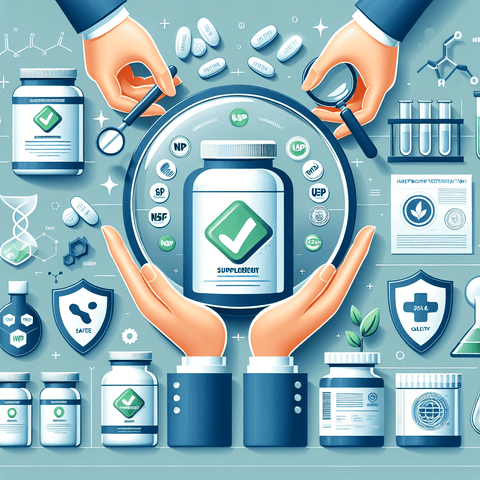
Unlocking the Secrets of Third-Party Tested Supplements for Safe and Effective Nutrition - Topvitamine
Sep 03, 2025
Il controllo qualità degli integratori aiuta a valutare identità, purezza, quantità degli ingredienti e sicurezza del prodotto. In questa guida spieghiamo cosa verificano produttori e laboratori indipendenti, come leggere l’etichetta, che cosa significano GMP e certificazioni di terze parti e quali segnali considerare prima dell’acquisto. Troverai anche risposte pratiche sulle marche affidabili e sulle precauzioni d’uso.
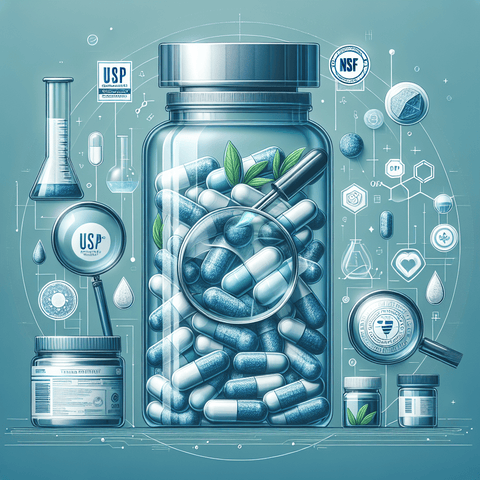
Unlocking the Secrets of Third-Party Tested Supplements for Safer, Higher-Quality Nutrition - Topvitamine
Sep 01, 2025
Gli integratori testati da terze parti sono sottoposti a verifiche indipendenti su identità, purezza, quantità dichiarate e, in alcuni casi, contaminanti. Questa guida spiega la differenza tra test, certificazioni e buone pratiche di fabbricazione, chiarisce cosa significano i marchi USP e NSF e offre criteri pratici per valutare un prodotto, senza confondere la qualità di produzione con la prova dell’efficacia sulla salute.
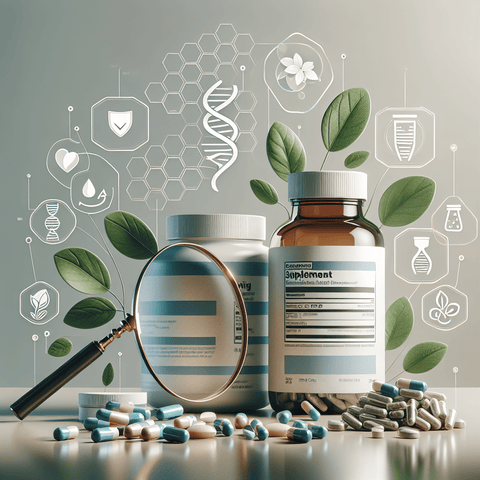
How to Choose a Trusted Supplement Brand: A Beginner’s Guide to Safe and Smart Shopping - Topvitamine
Aug 31, 2025
Per scegliere un marchio di integratori affidabile non basta riconoscere un logo o una promessa pubblicitaria. Questa guida spiega come controllare etichetta, dosaggi, ingredienti, certificazioni, test di terze parti, tracciabilità e segnali d’allarme. Troverai anche una checklist pratica, chiarimenti sul significato di clean label e risposte alle domande su purezza e qualità, con indicazioni per acquistare in modo più consapevole.

The supplement aisle presents consumers with countless options, but determining which products are actually reliable can be challenging. Third-party tested supplements offer a solution: products that have undergone independent laboratory analysis to verify their contents match what's stated on the label. This guide explains what third-party testing involves, why it matters for supplement quality, and how you can identify independently verified products.

What Does Third-Party Testing Mean?

Third-party testing refers to laboratory analysis conducted by an organization independent from the supplement manufacturer. When a product is third-party tested, an outside laboratory examines the supplement to verify that it contains the ingredients listed on the label in the stated amounts. This independent verification helps confirm product authenticity and quality.

The testing process typically involves multiple analytical methods to identify active ingredients, measure their concentration, and screen for potential contaminants. These tests may also check for ingredient purity, ensuring that the product doesn't contain undeclared substances or impurities that could be harmful.

Key Differences from Manufacturer Testing

Manufacturers routinely conduct quality control testing on their own products. While this in-house analysis is important, it lacks the objectivity of independent verification. Third-party laboratories have no financial stake in the product's success, which helps ensure unbiased results. This separation between the entity producing the supplement and the organization verifying its contents creates a more trustworthy assessment.

Major Third-Party Testing Organizations

Several respected organizations provide third-party testing and certification programs for dietary supplements. Each operates with specific standards and testing protocols.

NSF International

NSF International offers the NSF Certified for Sport program, which tests supplements for prohibited substances and verifies label claims. This certification is particularly relevant for athletes and individuals concerned about banned ingredients. NSF also provides general dietary supplement certification that includes toxicological review and contaminant testing.

US Pharmacopeia (USP)

The US Pharmacopeia sets quality standards for medicines and supplements. USP-verified supplements undergo comprehensive testing for ingredient identity, strength, purity, and performance. Products meeting USP standards carry the USP Verified Mark, indicating they adhere to strict quality criteria established by this independent scientific organization.

ConsumerLab.com

ConsumerLab.com independently tests health and nutrition products and publishes results for consumers. Their testing program evaluates products against quality standards and identifies issues such as incorrect ingredient amounts, contamination, or labeling problems. While ConsumerLab doesn't provide certification seals, their testing results offer valuable transparency for consumers.

How to Identify Third-Party Tested Supplements

Identifying third-party tested supplements requires looking beyond the front label marketing claims. Here are practical ways to verify independent testing:

  • Check for third-party certification seals on the product packaging, such as NSF Certified, USP Verified, or other recognized verification marks.
  • Review the manufacturer's website for certificates of analysis (COAs) or documentation of independent testing.
  • Contact the supplement company directly and ask which third-party laboratories they use and whether testing results are available for review.
  • Look for batch-specific testing information that connects a particular production lot to its verification results.

Some manufacturers voluntarily publish third-party test results for every batch of products they produce. This level of transparency provides consumers with direct access to verification data and demonstrates a company's commitment to quality control.

What Third-Party Testing Verifies

Third-party testing typically examines several important aspects of supplement quality.

Ingredient Identity

Laboratories verify that the ingredients listed on the product label are actually present in the supplement. This confirmation helps protect consumers from products that claim to contain specific nutrients but don't deliver them.

Ingredient Quantity

Independent testing measures the amount of each active ingredient to ensure it matches the labeled quantity. This verification helps consumers understand exactly how much of each nutrient they're getting from a supplement.

Contaminant Screening

Third-party laboratories screen for potential contaminants including heavy metals, pesticides, microbial pathogens, and other harmful substances. This testing helps ensure products are safe for consumption and free from undeclared ingredients.

Why Independent Verification Builds Consumer Confidence

The dietary supplement market is vast, with thousands of products available across various categories. For consumers trying to make informed decisions, third-party testing provides an objective measure of product quality that isn't influenced by marketing claims or manufacturer self-interest.

When you choose third-party tested supplements, you gain greater assurance that the product matches its label claims. This transparency helps you understand precisely what you're consuming and supports more educated supplement choices. Many consumers also find that independent verification provides peace of mind regarding product safety and consistency.

Considerations When Choosing Tested Supplements

While third-party testing is an important quality indicator, it's not the only factor to consider when selecting supplements. The overall reputation of the manufacturer, the quality of ingredients used, and the specific formulation all contribute to product effectiveness.

Different testing organizations have varying standards and methodologies. Understanding what each certification program covers helps you interpret verification marks appropriately. Some certifications focus on contaminant testing, while others emphasize ingredient identity and quantity verification.

It's also worth noting that third-party testing doesn't guarantee a supplement will work as intended. Rather, it verifies that the product contains what it claims to contain and is free from certain contaminants. For personalized supplement recommendations, consulting with a healthcare provider who knows your health history is still important.

Exploring Quality Supplement Categories

For those interested in exploring high-quality supplements across different categories, our natural supplements collection features products sourced with attention to quality and transparency. Additionally, our multivitamin guide provides information on choosing comprehensive nutritional support, while the mineral supplements guide explores essential minerals and their roles in health.

Making Informed Supplement Choices

Third-party testing represents one important aspect of supplement quality assessment. By understanding what independent verification involves and how to identify tested products, consumers can approach the supplement market with greater confidence and clarity.

Remember that supplements are intended to complement a balanced diet and healthy lifestyle rather than replace them. When considering any supplement, including third-party tested products, it's wise to think about your specific nutritional needs and overall health goals. A thoughtful approach to supplement selection considers multiple factors, with independent testing serving as one valuable data point among many.