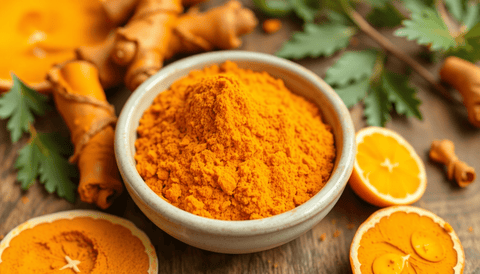
it Scoprire la dose esatta di integratore di curcuma inizia comprendendo come i prodotti quantificano la potenza. Nella letteratura e sulle etichette dei prodotti, la dose di integratore di curcuma viene solitamente descritta in milligrammi di curcuminoidi al giorno, o in totale milligrammi di estratto di curcuma. Poiché le formulazioni variano ampiamente, la stessa quantità in milligrammi può riflettere diversi livelli di costituenti attivi. Questa pagina si concentra sul concetto di dose di integratore di curcuma, evidenziando come la standardizzazione, il tipo di prodotto (estratto di curcuminoidi vs estratto di curcuma intera) e l'etichettatura influenzino ciò che si legge quando si confrontano i prodotti. Sottolineiamo linee guida basate sull'evidenza piuttosto che una singola raccomandazione, e consigliamo di verificare con un professionista sanitario per una pianificazione personalizzata. Tempistica e schemi di assunzione fanno parte delle discussioni sulla dose di integratore di curcuma. Alcune linee guida descrivono la divisione della quantità totale giornaliera in due o più somministrazioni per mantenere una presenza costante di costituenti attivi durante il giorno. Quando si sceglie un programma, si devono considerare il contenuto etichettato del prodotto, inclusa la frazione di curcuminoidi e eventuali potenziatori di biodisponibilità aggiunti. Questa sezione delinea considerazioni neutre sulla tempistica nel contesto più ampio della dose di integratore di curcuma; non promuove risultati specifici. Scegliere tra integratori di curcumina o curcuma è una decisione centrale nella formulazione di un piano efficace di dose di integratore di curcuma. Gli estratti di curcumina sono tipicamente standardizzati a una percentuale data di curcuminoidi e spesso vengono commercializzati con affermazioni come “x mg di curcuminoidi per capsula,” mentre le miscele a base di curcuma possono presentare cifre di curcuminoidi inferiori e meno costanti. Molti prodotti combinano la curcumina con potenziatori di assorbimento o utilizzano formulazioni specializzate per migliorare la stabilità. Comprendere queste differenze aiuta a interpretare le informazioni sulla dose di integratore di curcuma e a confrontare i prodotti in modo comparabile. Consigli pratici per valutare la dose di integratore di curcuma includono controllare l’etichetta del prodotto per il contenuto di curcuminoidi, il totale dell’estratto, la dimensione della porzione e il numero di porzioni al giorno. Iniziare con l’estremo inferiore delle gamme riportate da fonti affidabili e monitorare la tolleranza, quindi regolare gradualmente se appropriato sotto guida professionale. Cercare test di terze parti, etichettatura trasparente e informazioni chiare sui costituenti attivi. Concentrandoti sui dettagli della dose di integratore di curcuma piuttosto che su affermazioni assolute, potrai fare confronti più informati tra prodotti di curcumina e di curcuma.
Dosaggio dell'integratore di curcuma: la quantità esatta da assumere per alleviare il dolore
Turmeric supplements are widely used, and understanding turmeric supplement dosage is key to comparing products and using them sensibly. This guide explains the main concepts behind dosage, including how products are standardized, what the numbers on labels mean, and how different types of supplements compare. It is designed to help you navigate the topic with confidence and make informed decisions based on your individual needs.
What Does Turmeric Supplement Dosage Mean?
Turmeric supplement dosage is not a single, fixed number. It depends on how a product is made and what it contains. The two most common ways dosage is expressed are:
- Total turmeric extract: This is the overall amount of turmeric powder or extract in a serving, but it does not tell you how much of the active compounds are present.
- Curcuminoid content: This is the amount of curcuminoids, the active constituents in turmeric, often listed in milligrams. This is a more precise measure of potency.
A product with a higher total extract weight may contain fewer curcuminoids than a more concentrated extract. Therefore, comparing products requires looking beyond the total milligrams and focusing on the standardized curcuminoid content.
Curcumin vs Turmeric: Understanding the Difference
The choice between curcumin and turmeric supplements is central to understanding dosage. Curcumin extracts are concentrated and standardized to contain a specific percentage of curcuminoids. Turmeric powders or simpler extracts may contain a much lower and less consistent amount. This difference directly affects the milligram amount you see on a label and what it means for your intake.
Many curcumin supplements include bioavailability enhancers, such as piperine (black pepper extract), or use specialized formulations to improve absorption. These factors can influence how the body processes the supplement and are an important part of comparing products. For a deeper look at related products, you can explore our curcumin supplements collection.
How to Read a Supplement Label for Dosage
When evaluating a turmeric supplement, the label is your primary source of information. Look for these key details to understand the dosage:
- Serving size: The amount in one serving, such as one capsule or one scoop.
- Total extract: The total weight of turmeric or curcumin extract per serving.
- Curcuminoids: The standardized amount of active curcuminoids, often expressed as a percentage or in milligrams.
- Servings per container: How many servings are in the entire package.
This information allows you to calculate the total daily intake and compare products on a like-for-like basis, rather than being misled by the total extract weight alone.
Timing and Dosing Patterns
Some guidelines suggest dividing the total daily amount of a turmeric supplement into two or more doses. This approach may help maintain a more consistent level of active constituents in the body throughout the day. The best timing can depend on the specific product and your personal routine. It is always advisable to follow the manufacturer's instructions and consult with a healthcare provider for personalized advice.
Practical Tips for Choosing a Supplement
When you are ready to choose a product, consider the following practical points:
- Look for transparent labeling that clearly states the curcuminoid content and total extract.
- Start with a lower dose within the range suggested by reputable sources and monitor your tolerance.
- Consider products with third-party testing for quality and purity.
- Be aware of additional ingredients like bioavailability enhancers and how they might affect you.
For a broader range of options, you can also browse the turmeric supplements category to see different formulations and potencies.
Safety and Professional Guidance
This guide provides general educational information about turmeric supplement dosage. It is not a substitute for professional medical advice. Dietary supplements can interact with medications or be unsuitable for certain individuals. Always consult with a qualified healthcare professional before starting any new supplement, especially if you have an existing health condition or are taking other medicines. They can help you determine an appropriate dosage and plan for your specific circumstances.
For more information on related topics, you may find our herbal supplements guide a useful resource for understanding broader supplement safety and sourcing considerations.