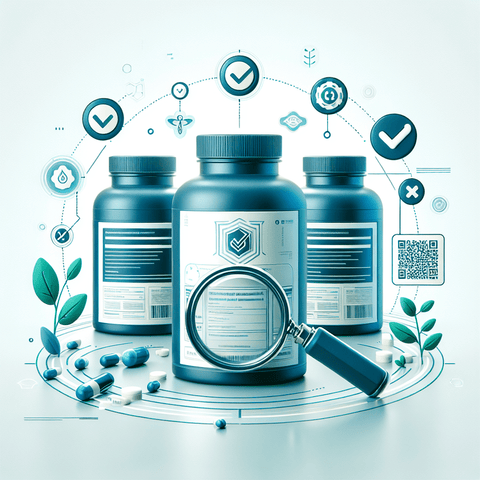
Una fonte di integratori verificata offre prove consultabili di una produzione soggetta a sistemi di qualità, di controlli indipendenti sul prodotto finito e di un’etichetta trasparente. Poiché gli integratori sono generalmente regolamentati come alimenti e non vengono approvati come medicinali prima della commercializzazione, è utile verificare certificazioni, certificati di analisi (CoA) e informazioni relative al lotto, senza affidarsi alle sole promesse pubblicitarie.
Cosa significa davvero "fonte di integratori verificata"
La verifica si fonda su più elementi: produzione secondo sistemi di qualità riconosciuti, analisi indipendenti del prodotto finito e comunicazione chiara di ingredienti, quantità e informazioni sul produttore. Una prova attendibile dovrebbe poter essere ricondotta a una certificazione riconosciuta, a un CoA riferito a uno specifico lotto o a uno stabilimento identificato e sottoposto ad audit.
Espressioni come «premium», «grado farmaceutico» o «altamente concentrato» non sostituiscono la documentazione: da sole non dimostrano qualità, purezza o accuratezza dell’etichetta. Anche un test o una certificazione hanno un ambito preciso e non garantiscono che il prodotto sia adatto a ogni persona o produca un risultato specifico.
- Test di terze parti: un laboratorio indipendente controlla caratteristiche come identità, quantità dichiarata e purezza del prodotto, secondo l’ambito del test.
- cGMP: le Buone Pratiche di Fabbricazione aggiornate riguardano processi, igiene, documentazione, tracciabilità e controllo della produzione; non equivalgono da sole a un test indipendente di ogni lotto.
- Certificato di analisi (CoA): documento che riporta i risultati delle analisi per un campione o lotto specifico. Verifica che il lotto indicato corrisponda al prodotto acquistato e controlla quali prove sono state effettuate.
Perché la verifica conta per la tua salute e sicurezza
Un prodotto con una quantità inferiore a quella dichiarata o degradato potrebbe non fornire il nutriente atteso. Contaminazioni o ingredienti non dichiarati, invece, possono comportare rischi diretti. Questo non significa che tutti gli integratori presentino problemi, ma rende importante poter controllare come sono stati prodotti e analizzati.
In Italia e nell’Unione europea gli integratori sono inquadrati come alimenti, non come medicinali. Gli obblighi di sicurezza e corretta informazione ricadono sugli operatori responsabili; i controlli e gli interventi delle autorità possono avvenire anche dopo la commercializzazione. Le modalità di notifica e controllo non vanno confuse con un’approvazione preventiva dell’efficacia.
Analisi indipendenti e avvisi delle autorità hanno documentato, in alcuni prodotti, discrepanze tra quantità dichiarate e rilevate, ossidazione degli oli di pesce, conteggi di microrganismi inferiori a quelli attesi o ingredienti non dichiarati. Sono riscontri che riguardano prodotti specifici e non consentono di generalizzare a tutti i marchi o a un’intera categoria.
Segnali d'allarme: come riconoscere una fonte non verificata
Prima dell’acquisto, controlla che siano disponibili informazioni essenziali e verificabili. La mancanza di tracciabilità o le promesse sanitarie eccessive meritano particolare cautela.
- Assenza del numero di lotto o della data di scadenza.
- Miscela proprietaria che non indica la quantità dei singoli ingredienti.
- Affermazioni secondo cui il prodotto guarisce, cura o inverte una malattia.
- Nessun nome, indirizzo o recapito verificabile del produttore.
- Prezzi molto inferiori a quelli di prodotti comparabili venduti da rivenditori autorizzati.
- Rifiuto di fornire un CoA o informazioni sui test indipendenti.
Fai attenzione anche a venditori anonimi sui marketplace, account social che richiedono pagamenti privati, importazioni attraverso canali poco trasparenti e sconti irrealistici. Filiera lunga, contraffazioni e difficoltà di controllo tra Paesi possono rendere più complicata la verifica: preferisci venditori identificabili e conserva confezione e dati del lotto.
Le certificazioni di terze parti da conoscere: USP, NSF, Informed Sport e IFOS
I programmi di certificazione non sono tutti equivalenti: cambiano i prodotti coperti, le prove previste e i criteri applicati. Quando possibile, controlla il prodotto o il marchio nei database ufficiali del programma e verifica che la certificazione sia attuale e riferita proprio a quel prodotto.
- USP Verified: programma che verifica aspetti quali qualità, purezza e corrispondenza dell’etichetta ai criteri previsti.
- NSF: offre programmi di certificazione con requisiti che variano in base alla categoria; alcuni riguardano anche prodotti destinati agli sportivi.
- Informed Sport: programma rivolto in particolare agli atleti, con controlli per individuare sostanze proibite secondo i criteri del programma.
- IFOS: programma di test indipendenti dedicato agli oli di pesce, con valutazioni relative, tra l’altro, a qualità e freschezza.
Una certificazione con verifiche ricorrenti o applicate ai lotti offre informazioni diverse da un singolo test storico: leggi sempre cosa copre e con quale frequenza avvengono i controlli. La conformità alle norme di sicurezza alimentare applicabili è un requisito di base, non una prova che un integratore sia efficace per una specifica esigenza.
Come leggere l'etichetta di un integratore come un ispettore della qualità
Inizia dalla porzione: i valori nutrizionali e le quantità dichiarate si riferiscono di norma alla dose indicata in etichetta, che può comprendere più capsule o compresse. Distingui poi la quantità del nutriente da quella del composto che lo contiene: 500 mg di carbonato di calcio, per esempio, non corrispondono a 500 mg di calcio elementare. La percentuale del valore nutritivo di riferimento indica il contributo della porzione rispetto al valore di riferimento riportato in etichetta, non una misura personalizzata del fabbisogno.
Controlla anche numero di lotto, scadenza, nome e indirizzo del responsabile o produttore, istruzioni di conservazione e lista completa degli altri ingredienti. Per i probiotici, verifica se la quantità di microrganismi è garantita fino alla fine della shelf life o solo al momento della produzione. Per gli estratti vegetali, cerca la quantità e, quando pertinente, le informazioni sulla standardizzazione. Se mancano dati basilari di tracciabilità, è difficile valutare la gestione della qualità.
Forme dei nutrienti e biodisponibilità
La forma chimica può influire su assorbimento e tollerabilità, ma il confronto dipende dal nutriente e dalla persona. Per esempio, l’ossido di magnesio tende ad avere una solubilità e un assorbimento diversi da forme come citrato o glicinato; la vitamina D è disponibile come D2 e D3; il citrato di calcio può essere assunto anche senza cibo. Questi esempi non stabiliscono una forma universalmente migliore.
Anche per folato metilato e acido folico le evidenze e le indicazioni possono dipendere dal contesto. Valuta la forma insieme a quantità, composizione, indicazioni d’uso e necessità individuali, senza dedurre che una dicitura in etichetta garantisca un vantaggio per tutti.
Dosaggio, concentrazione e formule combinate
Confronta la quantità per porzione, non soltanto quella per capsula, e considera quante unità servono per raggiungere la dose dichiarata. Le quantità dovrebbero essere valutate rispetto ai fabbisogni di riferimento e alle circostanze personali: una dose più alta non è automaticamente migliore o più appropriata.
Le formule combinate sono pratiche, ma fissano le proporzioni tra nutrienti e possono rendere meno semplice adattare ogni componente. Alcune combinazioni, come zinco e rame o calcio e ferro, possono influire sull’assorbimento o sull’equilibrio tra nutrienti in determinate condizioni. Se assumi più prodotti o farmaci, chiedi consiglio a un professionista qualificato.
Allergeni, ingredienti aggiunti e formato
Leggi l’elenco completo degli ingredienti per individuare allergeni, dolcificanti, coloranti ed eccipienti. Le capsule possono essere di gelatina oppure di cellulosa vegetale: controlla la composizione se segui esigenze alimentari o preferenze specifiche.
Capsule e compresse sono facili da dosare e trasportare, ma possono differire per dimensioni e modalità di assunzione. Le polveri consentono di mescolare il prodotto a una bevanda, mentre i liquidi possono essere più pratici per alcune persone ma richiedere particolari condizioni di conservazione. Scegli un formato compatibile con le istruzioni in etichetta e con la tua routine.
Chi può trarre maggior beneficio dall'integrazione e perché la fonte conta ancora di più
In alcune fasi della vita o situazioni alimentari può essere utile valutare un supporto mirato: per esempio, in gravidanza si seguono indicazioni specifiche sull’acido folico; con l’avanzare dell’età possono cambiare assorbimento e stato della vitamina B12; diete vegane o restrittive, condizioni di malassorbimento e limitata esposizione solare possono richiedere una valutazione individuale. Questo non significa che ogni persona appartenente a questi gruppi debba assumere lo stesso integratore.
Quando l’integrazione è stata considerata per una ragione specifica, un prodotto con quantità o ingredienti diversi da quelli dichiarati può vanificare l’obiettivo. I sintomi, da soli, non confermano una carenza: quando esistono esami appropriati, come per vitamina D, B12 o ferritina, la valutazione di un professionista e i risultati dei test sono più affidabili delle supposizioni.
Prima la sicurezza: interazioni, limiti superiori e quando consultare un professionista
Per alcuni nutrienti, un’assunzione eccessiva può aumentare il rischio di effetti indesiderati. Questo riguarda, tra gli altri, vitamine liposolubili come A, D ed E; dosi elevate di vitamina B6 sono associate a possibili danni ai nervi. Limiti e rischi dipendono dal nutriente, dalla quantità complessiva assunta e dalle caratteristiche individuali: considera tutte le fonti, compresi gli altri integratori.
Il ferro va conservato fuori dalla portata dei bambini, perché l’ingestione accidentale può essere pericolosa. La vitamina K può interferire con la gestione di alcuni anticoagulanti; le erbe possono interagire con i farmaci; dosi elevate di retinolo richiedono particolare cautela in gravidanza. Se assumi medicinali, sei in gravidanza o allatti, oppure hai condizioni renali o epatiche, consulta un professionista sanitario qualificato prima di usare integratori.
Gli integratori possono affiancare, ma non sostituire, una dieta equilibrata o le cure mediche. Non modificare una terapia sulla base delle indicazioni di un’etichetta o di contenuti promozionali.
Solo dieta o supporto con gli integratori? Una checklist pratica per decidere
Se segui un’alimentazione varia, non hai restrizioni o condizioni rilevanti e non assumi farmaci che richiedono una valutazione specifica, può essere ragionevole concentrarsi prima su dieta e stile di vita. La necessità può cambiare con la stagione, l’alimentazione, i farmaci o le diverse fasi della vita: rivalutala quando cambiano le circostanze.
Prima di acquistare, usa queste domande per orientarti:
- Il prodotto è testato da terze parti? È disponibile un certificato di analisi aggiornato e riferito al lotto pertinente?
- Quale esigenza specifica sto cercando di affrontare e la quantità è coerente con le indicazioni e le evidenze disponibili?
- I miei farmaci o le mie condizioni possono interagire con questi nutrienti?
- Il venditore è identificabile e autorizzato, con prodotti e lotti tracciabili?
- Porzione, formato e frequenza indicati si adattano realisticamente alla mia routine?
- Ho considerato l’assunzione complessiva e gli eventuali limiti superiori applicabili?
Domande frequenti sulle fonti di integratori verificate
Cosa significa «testato da terze parti»? Significa che un soggetto indipendente ha effettuato controlli sul prodotto secondo un determinato protocollo; verifica quali caratteristiche sono state analizzate. Cos’è un CoA? È un certificato di analisi che riporta i risultati relativi a un campione o lotto. Controlla che il documento sia pertinente al prodotto e al lotto acquistato.
Gli integratori sono regolamentati come i medicinali? In generale no: sono regolamentati come alimenti e non ricevono un’approvazione preventiva come medicinali. È sicuro comprarli sui marketplace? Dipende dal venditore: verifica identità, tracciabilità e condizioni di vendita, evitando inserzioni anonime o poco trasparenti. Perché alcuni costano molto meno? Prezzi e formulazioni possono variare, ma un prezzo insolitamente basso non dimostra di per sé né qualità né scarsa qualità: richiedi informazioni verificabili.
Quali certificazioni cercare? USP e NSF hanno programmi per diversi aspetti di qualità; Informed Sport riguarda i controlli sulle sostanze proibite nello sport; IFOS si concentra sugli oli di pesce. Cosa garantisce cGMP? L’adozione di procedure aggiornate di produzione e controllo, non l’efficacia del prodotto né necessariamente un test indipendente di ogni lotto. Gli integratori possono contenere contaminanti? Problemi sono stati documentati in prodotti specifici, ma non sono generalizzabili a tutti gli integratori.
«Grado farmaceutico» ha un significato legale? Non è, da solo, una prova o una certificazione: chiedi quale standard documentale sostiene l’affermazione. Come verificare se un marchio è legittimo? Controlla i dati del produttore, le certificazioni nei registri ufficiali, il lotto e la disponibilità di documentazione pertinente. Fidarsi degli influencer? Un consiglio promozionale non sostituisce prove indipendenti o una valutazione professionale. Una fonte verificata garantisce che l’integratore funzioni per me? No: può offrire maggiore trasparenza sulla qualità, ma non garantisce un beneficio individuale.