
Masterare come verificare le affermazioni sull'etichetta degli integratori imparando a leggere attentamente le etichette, confrontare le dichiarazioni con fonti indipendenti e comprendere il ruolo della verifica di terze parti. Verificare le affermazioni sull'etichetta degli integratori significa esaminare ogni elemento sulla confezione, dal nome del prodotto alle ingredienti e alle certificazioni, e testare se le informazioni sono precise e aggiornate. Questa pagina ti guiderà attraverso passaggi pratici, segnali di allerta comuni e certificazioni affidabili su cui fare affidamento. Le pratiche di etichettatura variano e alcune affermazioni possono essere fuorvianti a meno che non siano supportate da prove o test verificabili. I passaggi pratici per verificare le affermazioni sull'etichetta degli integratori includono controllare il nome esatto del prodotto, il marchio e l'azienda responsabile del prodotto, nonché il paese di produzione. Cerca dettagli essenziali come il contenuto netto, la dimensione della porzione e il numero di porzioni per contenitore. Esamina la lista degli ingredienti in ordine decrescente e annota le quantità per porzione di ciascun ingrediente, prestando particolare attenzione a eventuali miscele proprietarie che non rivelano le quantità degli ingredienti individuali. Conferma la presenza di un numero di lotto o batch e di una data di scadenza, e verifica che le informazioni di contatto del produttore o distributore siano chiaramente riportate. Quando possibile, confronta l’etichetta con le informazioni sul sito ufficiale del marchio e con eventuali confezioni dello stesso lotto, e cerca marche di verifica di terze parti come indicatore di test più approfonditi. I segnali di allerta da monitorare includono dettagli di contatto mancanti o incoerenti, un linguaggio vago che manca di specificità (ad esempio, termini non spiegati o frasi generiche) e l’assenza di un numero di lotto o di una data di scadenza. Sii cauto con miscele proprietarie che non rivelano le quantità degli ingredienti, dichiarazioni che sembrano esagerate o non verificabili, e affermazioni che non corrispondono allo scopo dichiarato del prodotto. Incoerenze tra diverse linee di prodotto, formati di etichettatura multipli per lo stesso articolo, o etichette che omettono il luogo di produzione possono anche segnalare cautela. Se le informazioni importanti mancano o l’etichetta sembra frettolosa o poco professionale, considera il prodotto sospetto e cerca documentazione aggiuntiva. Le certificazioni affidabili possono aiutare notevolmente nel processo di verifica. Cerca marchi di enti di terze parti riconosciuti come USP Verified, NSF Certification for Dietary Supplements e organizzazioni di test dei consumatori rispettate. Sull’etichetta o sul sito ufficiale dell’ente di certificazione, verifica il nome del prodotto, il numero di lotto e lo stato attuale per assicurarti che la certificazione copra l’articolo e il lotto specifico che stai considerando. Alcune certificano le pratiche di produzione e l’accuratezza dell’etichetta, mentre altre si concentrano sui test di contaminanti. Usa queste certificazioni in combinazione con un’attenta revisione dell’etichetta e la verifica della reputazione del marchio per prendere decisioni d’acquisto informate.
Come verificare le affermazioni sull'etichetta degli integratori: Individuare i verità e evitare le truffe
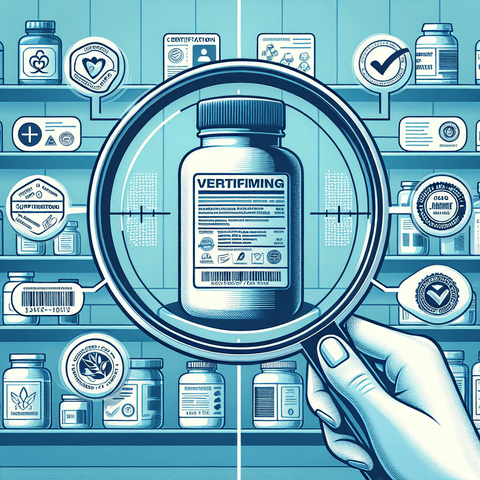
Dietary supplements are widely used, yet many people are unsure what the claims on the label actually mean or how they are verified. Unlike prescription drugs, supplements are not approved by the FDA before they are sold, which places a greater responsibility on consumers to understand what they are buying. This guide provides a comprehensive overview of how to verify supplement label claims, covering the regulatory framework, the role of independent certifications, and practical steps you can take to make informed choices. It will help you navigate the complex landscape of supplement labeling and identify the most reliable products.
What Are Supplement Label Claims?
Supplement labels contain several types of claims, each with a distinct regulatory meaning and level of scientific backing. The two most common categories are health claims and structure/function claims.
Health claims describe a relationship between a food or supplement component and reducing the risk of a disease or health-related condition. These claims require significant scientific agreement and must be authorized by the FDA. An example might be a statement about calcium and reduced risk of osteoporosis.
Structure/function claims describe the role of a nutrient or dietary ingredient intended to affect the normal structure or function of the human body. These are much more common and do not require pre-market approval by the FDA. However, the manufacturer must have substantiation that the claim is truthful and not misleading, and the label must include a disclaimer stating: "This statement has not been evaluated by the Food and Drug Administration. This product is not intended to diagnose, treat, cure, or prevent any disease." Understanding this distinction is the first step in verifying supplement label claims.
The FDA's Role in Supplement Labeling
The FDA regulates dietary supplements as a category of food. This means its authority is primarily focused on safety and labeling accuracy, not efficacy. Under the Dietary Supplement Health and Education Act (DSHEA) of 1994, manufacturers are responsible for ensuring their products are safe before they go to market and that any label claims are supported by adequate evidence.
The FDA requires supplement labels to include a defined panel with specific information such as the name of the product, the net quantity of contents, a supplement facts panel, the ingredient list, and the name and place of business of the manufacturer, packer, or distributor. The FDA also establishes Good Manufacturing Practices (GMPs) that require manufacturers to control the quality of their products to ensure they are not contaminated and are accurately labeled. While the FDA can take action against products that are unsafe or make false claims, it does not verify the accuracy of label claims before a product is sold.
Understanding Third-Party Verification Programs
To address the gap in oversight, several independent organizations offer third-party verification programs. These programs test products to confirm they contain the ingredients listed on the label, in the declared amounts, and are free from harmful levels of contaminants. Seeing a certification seal from these programs is one of the most reliable ways to increase confidence in a supplement. Here are the most recognized ones.
USP Verified
The U.S. Pharmacopeia (USP) is a scientific nonprofit organization that sets public standards for medicines, supplements, and food ingredients. When a supplement is USP Verified, it means that the product has been independently tested and meets stringent criteria for quality, purity, potency, and consistency. It confirms that the supplement contains the ingredients listed on the label, in the declared amounts, and is free from harmful levels of specified contaminants. It also verifies the product has been manufactured according to FDA Good Manufacturing Practices.
NSF Certification
NSF is another independent organization that offers a certification program specifically for dietary supplements. Like USP, NSF certification involves comprehensive testing and facility audits to ensure that a product contains what is on the label and is free from undeclared ingredients or contaminants. The NSF mark on a supplement label provides assurance that the product has been independently verified for quality and safety.
ConsumerLab.com
ConsumerLab.com is an independent testing company that purchases and tests a wide range of health and nutrition products. They provide consumers with test results and reviews. A product that has been approved by ConsumerLab.com has passed their specific quality and purity tests. Their seal can be found on products that have been independently tested and have met their quality criteria.
A Practical Guide to Reading and Verifying Labels
You can do a great deal to verify a supplement label claims by conducting a careful review on your own. This process involves looking at several specific details on the packaging to assess its professionalism and completeness.
Key Steps for a Label Review
By looking at the label systematically, you can quickly identify many common issues. Here are the essential details to check.
- Product Name and Brand: Make sure the product name is clear and that the brand and the company responsible for the product are identifiable.
- Manufacturing Information: Look for the country of manufacture, and the name and contact information of the manufacturer, packer, or distributor. This information should be complete and easy to find.
- Net Contents and Serving Size: Verify the net weight or volume of the container and the serving size. This information should be clear and unambiguous.
- The Supplement Facts Panel: Examine the ingredient list. Ingredients are often listed in descending order by weight. Note the amount of each ingredient per serving, and be cautious of proprietary blends where individual amounts are not disclosed.
- Lot/Batch Number and Expiration Date: Confirm the presence of a lot or batch number and an expiration date, which are indicators of good manufacturing practices and quality control.
After reviewing these elements, cross-reference the information with the brand's official website and look for the same product details. This can help you spot inconsistencies between lots or labeling formats. Furthermore, checking for a third-party verification seal is an excellent final check, as it means an independent organization has confirmed the product's quality.
Common Red Flags on Supplement Labels
Recognizing warning signs is a key part of verifying supplement label claims. The following are indicators that a product may be lower quality or potentially misleading.
- Missing or vague contact information for the manufacturer or distributor.
- A lack of a lot number or expiration date.
- Proprietary blends that do not disclose the amounts of each individual ingredient.
- Exaggerated or vague language that seems too good to be true, or claims that do not align with the product's intended use.
- Inconsistencies in labeling between different lots or on multiple official platforms.
The Importance of Brand and Source Reputation
Beyond the label itself, the reputation and practices of the brand are an important part of the verification process. Established brands that have been in business for a long time and have a history of transparency are often more reliable. You can research a company's reputation by looking at their third-party certifications, reading customer reviews for product quality and side effects, and checking if they have had any FDA warning letters or recalls. This broader assessment provides context for the information on the label.
Exploring Our Supplement Guides and Resources
Understanding label claims is a fundamental skill, but it is also helpful to learn more about specific categories of supplements. For example, you can discover more about the quality and safety of individual nutrients or product types. Visit our range of natural supplements or explore our in-depth guides, such as the multivitamins guide which covers ingredients, usage, and safety. For those interested in specific compounds often found in supplements, our guide on curcumin and its regulated health uses is a valuable resource for understanding how such ingredients are assessed and presented.
Making Informed Decisions About Supplements
Verifying supplement label claims is a multi-faceted process that combines understanding regulations, recognizing trusted certifications, and performing careful label reviews. While the FDA regulates safety and labeling standards, it does not guarantee their accuracy or efficacy. Therefore, your own vigilance is important. You can check the official certification body's website to confirm the current status of a product's certification and ensure it covers the specific lot you are considering. Always remember that supplements are not intended to replace a balanced diet or serve as a substitute for medical treatment. This information is for educational purposes and should not be interpreted as personalized medical advice.
If you have any health concerns or questions about the right supplements for you, consult with a qualified healthcare professional. They can provide guidance tailored to your individual health status and needs, helping you to make safe and appropriate decisions.