
questo contenuto analizza le fonti di vitamina A nelle carni e come i diversi tagli contribuiscano al retinolo nella dieta. Evidenzieremo il fegato e altri tagli che contengono vitamina A preformata e descriveremo modi pratici per bilanciare le scelte di carne. Concentrandoci sulla forma del nutriente e sulla specificità dei tagli, i lettori potranno identificare dove il retinolo compare nell'offerta di prodotti animali. La vitamina A negli alimenti di origine animale è principalmente una forma preformata nota come retinolo. Le concentrazioni più elevate di retinolo si trovano tipicamente nel fegato e in altri organi; alcuni tagli grassi possono conservare quantità misurabili di questa vitamina. Le carni muscolari generalmente contengono livelli più bassi di retinolo, influenzati dalla specie animale, dall’alimentazione e dal modo in cui la carne viene lavorata o cucinata. Questa sezione chiarisce quali tagli tendono a fornire più facilmente retinolo. Consigli pratici per un apporto equilibrato di fonti di vitamina A nelle carni includono pianificare una rotazione varia di tagli tra i pasti, controllare le etichette dei prodotti o le banche dati nutrizionali per il contenuto di retinolo, e considerare le porzioni in modo che si adattino a un modello alimentare complessivo. Abbinare fegato o altri tagli ad alto contenuto di retinolo con carni magre e diversi metodi di cottura può aiutare a mantenere la varietà. È sempre importante scegliere in linea con le preferenze alimentari personali e eventuali indicazioni di un professionista qualificato. Per continuare a esplorare le fonti di vitamina A nelle carni, si può confrontare i diversi tagli, osservare come la lavorazione influenzi il retinolo, e tenere traccia di quanto spesso si scelgano opzioni ad alto contenuto di retinolo. Ricette e idee per i pasti possono illustrare come integrare tagli diversi, mantenendo consapevolezza di gusto, consistenza e metodi di preparazione.
Fonti di vitamina A nella carne: fegato e altri carni per una vista più sana
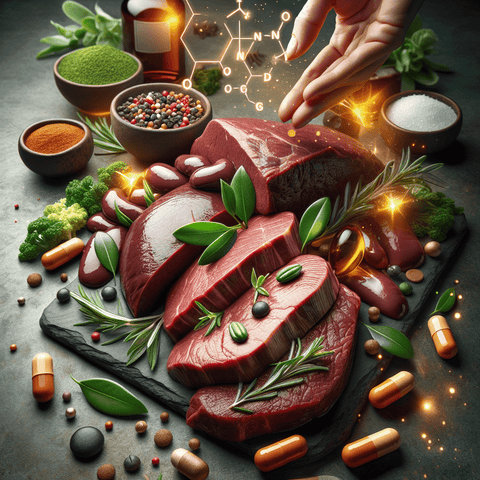
Vitamin A sources in meats are the animal foods that supply preformed vitamin A, mostly in the form of retinol. This topic matters because retinol is a directly usable form of vitamin A, and meats differ widely in how much they provide. This page offers a broad overview of the main types of meat that contribute retinol, how cuts and cooking may influence levels, and practical considerations for fitting them into an overall eating pattern.
If you are reviewing vitamin A in your diet, understanding the map of animal sources can help you compare options and ask better questions. For a wider view of the nutrient, you can explore our vitamin A benefits, sources, and safety category, which places meat sources alongside plant sources and supplements.
What Makes Meat a Source of Vitamin A?
Vitamin A in animal foods is primarily preformed retinol. Unlike provitamin A carotenoids from plants, retinol does not require conversion before the body can use it. That is the main reason meats are discussed as a distinct category of vitamin A sources.
The amount of retinol varies considerably depending on the type of meat and the specific cut. Liver and some other organ meats tend to carry the highest concentrations, while muscle meats generally contain lower and more variable amounts. Species, animal feed, fat content, and how the meat is processed or cooked can all influence what remains in the final product.
Main Types of Meat That Provide Retinol
When people look at vitamin A sources in meats, the conversation usually starts with organ meats and then moves to more commonly eaten muscle cuts. The list below introduces the main categories at a high level.
- Liver: typically the richest source of preformed vitamin A among meats, with notable levels across species such as beef, pork, poultry, and lamb.
- Other organ meats: kidney, heart, and certain other organs may also contribute retinol, though often at lower levels than liver.
- Fatty cuts and muscle meats: beef, pork, poultry, and lamb can contain smaller amounts of retinol, with levels influenced by the animal's diet and the cut's fat content.
- Processed meats: retinol content may shift depending on ingredients, preparation, and whether organ meats are included.
Specific values per 100g vary by product and source, so they are best checked against current nutrition databases or product labels rather than treated as fixed numbers.
How Cooking and Processing May Affect Retinol
Retinol levels in meat are not necessarily fixed from the moment of purchase. Cooking methods, heating time, and processing steps can all influence how much preformed vitamin A remains available in the final dish.
- Cooking method: prolonged high heat may reduce certain nutrients, while gentler methods may help preserve more.
- Processing: curing, smoking, and other processing may change the composition of a meat product.
- Storage and handling: how meat is stored before cooking may also play a role in nutrient retention.
These factors help explain why two products from the same animal can differ in retinol content. They also make it useful to rely on a varied approach rather than assuming a single cut always delivers the same amount.
Practical Ways to Think About Vitamin A in Meat Choices
For most people, the goal is not to eat the highest-retinol meat at every meal but to understand where retinol appears and how it fits into a broader diet. A few general principles can help.
- Rotate different cuts: including liver, organ meats, and muscle meats across meals can add variety without relying on one source.
- Check labels and databases: retinol content can vary, so product labels or trusted nutrition databases are useful references.
- Consider portion sizes: how often and how much you eat higher-retinol cuts matters when thinking about overall intake.
- Combine with plant sources: pairing meat with vegetables and other vitamin A sources can support a more varied eating pattern.
- Discuss personal needs with a professional: individual requirements and any health considerations are best reviewed with a qualified professional.
You can also explore our natural supplements category for related product options, keeping in mind that food sources and supplements play different roles in an overall routine.
Where to Explore Next
This tag page is designed as a broad entry point into vitamin A sources in meats. It introduces the main categories, the role of retinol, and practical considerations, but it does not attempt to answer every specific question in depth.
More focused topics such as detailed values per 100g, comparisons between specific cuts, factors affecting absorption, and meal ideas are better handled in the individual articles associated with this tag. The associated blog pages can go deeper into those questions while this page provides the broader context.
If you are looking at vitamin A more broadly, our multivitamins guide can help you see how vitamin A fits alongside other nutrients in a combined product.