
This page explores the impact of vitamin B12 on energy, mood, and brain health. By focusing on how this nutrient is discussed in scientific and clinical contexts, it becomes clear why the impact of vitamin B12 is considered across several domains of functioning. The emphasis is on understanding concepts rather than presenting single-cause explanations, allowing for a nuanced and clear view of the topic. When discussing the essential benefits of vitamin B12, the conversation typically highlights its involvement in key cellular and neural processes related to sustained activity, emotional balance, and cognitive performance. Its impact is often described in terms of participation within metabolic and signaling networks, illustrating how this nutrient can be viewed as part of a broader system rather than a simple on/off factor. This framing helps set expectations about how changes in status may relate to complex daily experiences. Signs of deficiency are described in scholarly and clinical literature as potential indicators that status may be low, while also noting that such signs can be non-specific and influenced by multiple factors. The discussion around vitamin B12's impact emphasizes context, nuance, and the idea that signs alone do not define a diagnosis. By presenting signs within a broader framework, the content remains exploratory and descriptive rather than prescriptive. For those seeking a fuller understanding of vitamin B12's impact, ongoing discussions focus on monitoring, assessment, and interpretation within professional guidance. The goal is to illuminate how researchers and clinicians approach status and trends, rather than prescribe a specific course of action. Consequently, the topic emphasizes understanding context and research perspectives, helping readers form an informed view of how vitamin B12's impact is interpreted in modern science.
Impatto della vitamina B12: come questa vitamina essenziale alimenta energia, umore e salute cerebrale
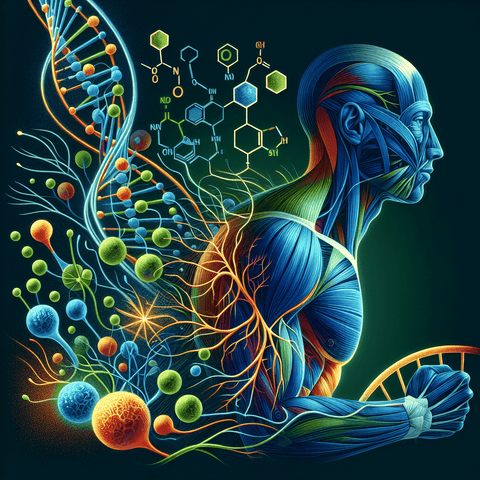
Vitamin B12 is a water-soluble nutrient that the body uses in several fundamental processes. Its impact is often described in relation to red blood cell formation, normal neurological function and energy-yielding metabolism. Because these processes influence how people feel day to day, vitamin B12 is frequently discussed in the context of steady energy, emotional balance and cognitive performance. This page provides a broad overview of the vitamin B12 impact, covering what B12 does, why status matters, common signs associated with low levels and general considerations around intake and supplementation. It is intended as educational context, not as personalised medical advice.
What Vitamin B12 Does in the Body
Vitamin B12, also known as cobalamin, is involved in a range of normal physiological functions. It contributes to the formation of red blood cells, supports normal neurological function and plays a role in energy-yielding metabolism. These contributions help explain why vitamin B12 impact is discussed across several domains, including energy, mood and brain health.
The nutrient is not produced by the body, so it must be obtained through diet or supplementation. Absorption depends on several factors, including stomach acid, intrinsic factor and the health of the digestive tract, which is why some people may be more likely to have low status than others.
Why Vitamin B12 Status Matters
Maintaining sufficient vitamin B12 is important because the nutrient supports processes that affect how the body and brain function over time. When status is low, people may experience tiredness, weakness, difficulty concentrating or changes in mood, although these signs are non-specific and can have many other causes.
The vitamin B12 impact on mood and cognition is described in research as part of a broader system rather than as a simple cause-and-effect relationship. This means that while B12 status may relate to how someone feels, signs alone do not establish a diagnosis. Monitoring and assessment are typically carried out by healthcare professionals who consider diet, medical history and other factors.
Signs Commonly Associated With Low Vitamin B12
Clinical and scientific literature describes several signs that may be associated with low vitamin B12 status. These can include fatigue, weakness, tingling or numbness in the hands and feet, difficulty concentrating and changes in mood. However, such signs are not specific to vitamin B12 and can overlap with other nutritional or medical conditions.
The vitamin B12 impact in this context is best understood as one part of a wider assessment. If you are concerned about symptoms, it is important to seek guidance from a qualified healthcare professional rather than interpreting signs on your own.
Daily Intake, Excess and Interactions
People often ask what happens when you take vitamin B12 daily, whether there is a downside to taking it, or whether it interacts with medications such as Pepcid. The vitamin B12 impact of daily intake depends on individual needs, absorption and whether a healthcare professional has recommended supplementation. General information about dosage, excess and interactions cannot replace personalised advice.
Some medications can affect B12 absorption or status, so it is important to discuss supplements with a healthcare provider, especially if you take prescription medication or have a medical condition. The vitamin B12 impact should always be considered within the context of your overall health and professional guidance.
Dietary Sources and Supplement Forms
Vitamin B12 is found naturally in animal-derived foods such as meat, fish, eggs and dairy products. People following vegetarian or vegan diets may rely on fortified foods or supplements to meet their needs. B12 supplements are available in several forms, including cyanocobalamin and methylcobalamin, and in different delivery formats such as tablets, capsules and lozenges.
For those exploring B12 alongside other nutrients, our vitamin B complex guide provides a useful overview of the B-vitamin family. The vitamin B12 impact from supplements depends on factors such as form, absorption and individual requirements.
How Vitamin B12 Fits Into Broader Nutrition
Vitamin B12 does not work in isolation. Its impact is part of a wider nutritional picture that includes other B vitamins, minerals and overall dietary quality. For readers interested in how B12 relates to other nutrients, our multivitamin guide explains how combined formulas are put together and what to consider. Understanding the vitamin B12 impact alongside broader nutrition helps provide context, but individual needs vary and professional guidance remains important.
Exploring Vitamin B12 Further
This tag page is designed as a starting point for understanding the vitamin B12 impact at a broad level. More specific questions about dosage, deficiency testing, interactions with particular medications or comparisons between supplement forms are better addressed in dedicated articles. As you browse the associated posts, you can build a more detailed picture of how vitamin B12 is discussed in nutritional science and clinical practice. Always consult a qualified healthcare professional for advice tailored to your situation.