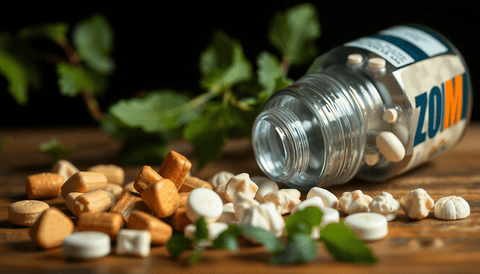
Vantaggi della vitamina C: rafforza il sistema immunitario, la salute della pelle e altro ancora


Unlock the full power of vitamin C with a clear look at its benefits. This page centers on scientifically documented benefits, showing how researchers describe the roles this micronutrient plays in human physiology. Vitamin C is a water-soluble nutrient that participates in a variety of biochemical processes, and understanding its benefits starts with the chemistry and the way it is handled by the body. Key benefits of vitamin C include its function as an essential cofactor for several enzymes, supporting collagen synthesis, carnitine formation, and certain neurotransmitter pathways, as well as acting as an antioxidant that helps protect biomolecules from oxidative stress. Absorption and tissue distribution determine how these benefits manifest, with the body regulating absorption based on intake and stores. Practical tips and daily doses for benefits: General guidelines designate about 75 mg per day for adult women and 90 mg per day for adult men as reference intakes; the tolerable upper intake level is 2000 mg per day to avoid potential adverse effects from high doses. For building a consistent intake, consider spreading intake across meals and keeping a steady daily pattern rather than large infrequent doses. If considering supplementation, consult with a healthcare professional to align supplementation with individual needs and medications. Science-backed facts and safety: Benefits are studied as part of the broader science of nutrition; vitamin C is water-soluble and not stored in large amounts, with excess excreted in urine. Its role as an antioxidant and a cofactor has been studied across many models and contexts, and ongoing research continues to refine understanding of dose-response relationships. Viewing benefits through this lens highlights the balance between achieving adequate intake and avoiding excessive dosing, guided by established guidelines and individualized advice.


What are the benefits of taking high doses of vitamin C? - Topvitamine
Nov 03, 2025
La vitamina C contribuisce al normale funzionamento del sistema immunitario, alla formazione del collagene e alla protezione delle cellule dallo stress ossidativo. Tuttavia, assumere dosi elevate non significa ottenere automaticamente maggiori benefici. Questo articolo spiega cosa suggeriscono le evidenze, quali effetti indesiderati possono comparire, come orientarsi tra alimenti e integratori e quando è opportuno chiedere consiglio a un professionista sanitario.
Which illnesses does vitamin C help with? - Topvitamine
Oct 22, 2025
I benefici della vitamina C riguardano soprattutto il normale funzionamento del sistema immunitario, la protezione delle cellule dallo stress ossidativo, la formazione del collagene e l’assorbimento del ferro. Non cura né sostituisce le terapie per le malattie. In questa guida trovi fonti alimentari, indicazioni generali sugli integratori, possibili limiti e risposte alle domande sugli antiossidanti.
What happens to your body when you start taking vitamin C? - Topvitamine
Oct 16, 2025
Cosa succede quando inizi a prendere vitamina C? Se l’apporto era insufficiente, questo nutriente può contribuire al normale funzionamento del sistema immunitario, alla formazione del collagene, alla protezione delle cellule dallo stress ossidativo e all’assorbimento del ferro. L’articolo spiega tempi, benefici, fonti alimentari, scelta degli integratori, possibili effetti collaterali e situazioni in cui è meglio chiedere consiglio a un professionista.
The Truth About Vitamin C: Myths, Benefits & Best Forms | Topvitamine - Topvitamine
Aug 21, 2025
La migliore forma di vitamina C dipende da tollerabilità, dose e obiettivo: l’acido ascorbico è la forma più studiata, mentre le versioni tamponate possono risultare più delicate per lo stomaco. La vitamina C contribuisce al normale funzionamento del sistema immunitario, alla formazione del collagene e all’assorbimento del ferro. Questa guida confronta le principali forme, chiarisce i miti, illustra le fonti alimentari e riassume le principali precauzioni.
The Best Vitamins for Immune System Support in 2025 | Topvitamine - Topvitamine
Jul 10, 2025
Questa guida alle vitamine per il sistema immunitario spiega il ruolo di vitamina C, vitamina D, zinco e altri nutrienti, distinguendo alimentazione e integratori. Troverai anche abitudini utili per il supporto immunitario, indicazioni per scegliere un prodotto e risposte a domande comuni sui segnali di una buona o ridotta funzionalità immunitaria. Gli integratori non sostituiscono una dieta equilibrata né il parere di un professionista sanitario.
Zinc vs. Vitamin C: Choosing the Best Immune Supplement | Topvitamine - Topvitamine
Jul 06, 2025
Zinco o vitamina C non sono equivalenti: sono nutrienti diversi, coinvolti in normali funzioni immunitarie. Questo confronto spiega cosa sappiamo sul loro uso durante il raffreddore, come valutare forma e dose degli integratori, se è possibile assumerli insieme e quali precauzioni considerare. Troverai anche risposte su assorbimento, qualità dei prodotti e uso dello zinco per la salute della prostata.

Vitamin C is one of the most widely discussed nutrients in health and nutrition. Known scientifically as ascorbic acid, this water-soluble vitamin is essential for human health because the body cannot synthesize it on its own. As a result, people must obtain it through food, beverages, or supplements. On this page, we explore the broad vitamin C benefits, how it functions in the body, where to find it, and what to consider when using supplements. This overview is designed to give you a clear, science-based map of the topic, while our dedicated articles dive deeper into specific questions.

What Is Vitamin C and Why Is It Important?

Vitamin C is a nutrient that participates in a variety of biochemical processes. Its primary role in the body is as a cofactor for several enzymes, meaning it helps these enzymes perform their functions. One of the most notable processes involving vitamin C is the synthesis of collagen, a structural protein that is vital for the health of skin, tendons, ligaments, and blood vessels.

In addition to its role in collagen production, vitamin C acts as an antioxidant. This means it helps protect cells from oxidative stress, which can be caused by free radicals—unstable molecules that can damage cellular structures. By neutralising these free radicals, vitamin C contributes to the body's natural defence system.

Because the body regulates vitamin C levels carefully, absorption changes based on how much is already stored. Understanding this dynamic is key to appreciating why consistent daily intake matters more than occasionally consuming large amounts.

Key Vitamin C Benefits and Their Role in Human Physiology

Vitamin C is associated with several important physiological functions. While research continues, the following areas are generally recognised as central to its benefits:

  • Collagen synthesis: Vitamin C is required for the enzymatic steps that stabilise collagen molecules, supporting healthy skin, blood vessels, bones, and cartilage.
  • Antioxidant protection: As an antioxidant, vitamin C helps protect biomolecules from oxidative stress, which is part of normal cellular metabolism.
  • Immune function: Vitamin C contributes to the normal function of the immune system, a key reason it is frequently associated with immune health.
  • Carnitine and neurotransmitter production: Vitamin C serves as a cofactor for enzymes involved in the production of carnitine, which is involved in energy metabolism, and for certain neurotransmitters.

These roles illustrate why vitamin C is needed for overall health. However, it is important to note that these benefits are about supporting normal physiological functions, not about treating or curing any specific condition. Ongoing research continues to refine our understanding of dose-response relationships and the full spectrum of vitamin C's effects.

Dietary Sources of Vitamin C

A balanced diet can usually provide an adequate amount of vitamin C. The nutrient is found naturally in a wide range of plant-based foods. Some of the most well-known and accessible sources include:

  • Citrus fruits such as oranges, grapefruits, and lemons
  • Berries, including strawberries, blueberries, and raspberries
  • Vegetables like bell peppers, broccoli, Brussels sprouts, and tomatoes
  • Leafy greens such as spinach and kale

Because vitamin C is water-soluble, it can be lost during cooking, especially when foods are boiled. To preserve the vitamin C content, consider consuming these foods raw, steamed, or lightly cooked.

General Recommendations for Daily Intake

Understanding how much vitamin C to take is a common question. General guidelines for reference intake are 75 mg per day for adult women and 90 mg per day for adult men. These amounts are intended to meet the needs of most healthy individuals.

The tolerable upper intake level (UL) for vitamin C is 2000 mg per day. This is the highest level of daily intake that is likely to pose no risk of adverse effects for almost all individuals. Taking doses higher than this may lead to digestive discomfort, such as diarrhoea or stomach cramps.

For optimal absorption, it is often suggested to spread vitamin C intake throughout the day rather than taking one large dose. This is because the body's absorption efficiency decreases when intake is very high in a single sitting.

Vitamin C Supplements: Forms and Considerations

For those who struggle to meet their vitamin C needs through diet alone, supplements are a practical option. They come in various forms, including tablets, capsules, chewables, powders, and liposomal formulations. The most common form is ascorbic acid, but other forms like sodium ascorbate or calcium ascorbate are also available, which may be gentler on the stomach.

When choosing a supplement, it is important to consider factors such as dosage, form, and any additional ingredients. If you are considering vitamin C supplements, it is advisable to consult with a healthcare professional. This is particularly important if you have underlying health conditions or are taking other medications, as vitamin C can interact with certain drugs.

Signs of Vitamin C Deficiency

While deficiency is less common in developed countries, inadequate intake can lead to symptoms. Historically, a severe lack of vitamin C caused scurvy, a disease characterised by fatigue, gum disease, and poor wound healing. In modern contexts, low vitamin C levels may manifest as:

  • Fatigue and weakness
  • Slow wound healing
  • Dry or damaged skin
  • Bleeding gums or nosebleeds
  • Aching joints or muscles

If you suspect you may have a vitamin C deficiency, it is important to consult a healthcare provider for proper evaluation and personalised dietary or supplement advice.

Safety, Side Effects, and Interactions

Vitamin C is water-soluble, meaning that excess amounts are typically excreted in urine. This generally makes it safe for most people, but high doses can cause adverse effects such as:

  • Digestive issues, including diarrhoea and stomach cramps
  • Increased risk of kidney stones in susceptible individuals when consumed in very high doses over long periods

For people with certain conditions, such as hemochromatosis (iron overload) or a history of kidney stones, high-dose vitamin C supplements should be used with caution. Vitamin C can enhance the absorption of non-heme iron (the type found in plant foods), which is generally beneficial for those with iron deficiency but could be problematic for others.

As with any dietary supplement, it is essential to speak with a healthcare professional before starting vitamin C, especially if you are pregnant, nursing, or taking prescription medications. They can help determine the appropriate dosage and ensure there are no potential interactions.

Exploring the Science of Antioxidants

Vitamin C is often discussed alongside other antioxidants. Its role as an antioxidant is central to many of its perceived benefits. To understand this aspect better, it is helpful to explore the broader topic of antioxidants and how they work in the body to neutralise free radicals. The science of antioxidants is complex and fascinating, offering a wider context for understanding how nutrients like vitamin C support health.

Further Reading and Resources

This page provides a broad overview of vitamin C benefits and its role in the body. For those interested in a focused approach, our Vitamin C collection provides more specific information on how this nutrient supports immunity, antioxidant defence, and energy metabolism.

To further build your understanding of nutritional supplements, you may also find our natural supplements overview helpful, as it covers a range of nutrients and how they can complement a balanced lifestyle.