
it
Vitamina C per l'Immunità: Rafforza il Tuo Sistema Immunitario in Modo Naturale
Oct 28, 2025
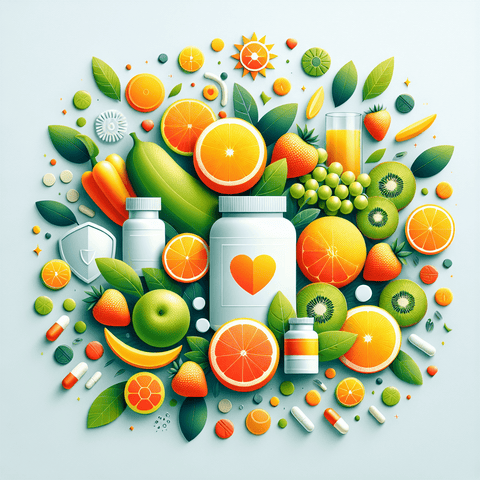
Le fonti di acido ascorbico comprendono frutta e verdura, oltre agli integratori a base di vitamina C. Guaiava, peperoni, kiwi, fragole, broccoli e agrumi possono contribuire all’apporto quotidiano. L’acido ascorbico sintetico è chimicamente uguale a quello presente negli alimenti, mentre la scelta della formulazione dipende da dose, tollerabilità e praticità. L’articolo chiarisce anche assorbimento, conservazione, possibili ostacoli e principali precauzioni.
Vitamin C is an essential nutrient that plays a key role in many bodily functions, including the normal functioning of the immune system. This tag page gathers our content on vitamin C and immunity, offering a broad overview of the topic. Here you will find explanations of how vitamin C works in the body, why it matters for immune health, and what research says about its effects. You will also find links to more detailed articles that address specific questions such as dosage, timing, and whether vitamin C can prevent colds. Whether you are new to the topic or looking to deepen your understanding, this hub is designed to guide you through the key dimensions of vitamin C and immune support.
What Is Vitamin C and Why Is It Important?
Vitamin C, or ascorbic acid, is a water-soluble vitamin found in many fruits and vegetables. Unlike most animals, humans cannot synthesize vitamin C, so it must be obtained from the diet or supplements. It is involved in numerous physiological processes, including collagen synthesis, antioxidant protection, and immune function. According to the European Food Safety Authority (EFSA), vitamin C contributes to the normal function of the immune system, a claim supported by scientific evidence. This section explains the basics of vitamin C and its broad importance for health.
The Role of Vitamin C in Immune Function
Vitamin C is concentrated in many types of immune cells, where it supports various functions. It acts as an antioxidant, helping to protect cells from damage caused by free radicals. It also supports the function of enzymes involved in the production of signaling molecules and the regulation of immune responses. Research indicates that vitamin C may influence both innate and adaptive immunity, but the precise mechanisms are complex and still under investigation. Importantly, while vitamin C is essential for maintaining normal immune function, it is not a guaranteed way to prevent or cure illness. This page provides a high-level view, and more detailed articles explore specific aspects.
Major Subtopics and Common Questions
When people search for vitamin C and immunity, they often have specific questions in mind. These include how much vitamin C to take, the best time of day to take it, how long it takes to affect the immune system, and whether it actually prevents sickness. These are important but narrow topics that are better addressed in dedicated articles. On this tag page, we introduce the broader context so you can understand the landscape before diving into specifics. Below are some of the key subtopics you will find in the linked articles.
- Dosage: How much vitamin C is needed for normal immune function, and what are the upper limits?
- Timing: Does it matter when you take vitamin C, and what does absorption tell us?
- Duration: How long does it take for vitamin C to influence immune markers, and what does research show?
- Illness prevention: Does vitamin C reduce the risk of getting sick, and what is the evidence?
Sources of Vitamin C and Supplement Considerations
Vitamin C is naturally present in many foods, especially fruits and vegetables such as citrus fruits, berries, kiwi, bell peppers, broccoli, and tomatoes. A balanced diet can usually provide sufficient vitamin C for most healthy individuals. However, some people may choose to supplement, particularly if their dietary intake is inadequate. Vitamin C supplements come in various forms, including ascorbic acid, sodium ascorbate, and mineral ascorbates. Each form has slightly different properties, but all can contribute to meeting vitamin C needs. When considering supplements, it is important to be aware of dosage, potential interactions, and individual health status. If you are interested in exploring supplement options, you can browse our collection of vitamin C supplements and immunity-related products. For those seeking a broader range of natural supplements, our natural supplements category offers a variety of options.
Understanding the Evidence: What Research Says
The relationship between vitamin C and immune health has been studied extensively, but findings are not always straightforward. Observational studies have suggested associations between vitamin C status and immune outcomes, while controlled trials have examined specific endpoints such as cold duration and severity. Systematic reviews have attempted to synthesize this evidence, often concluding that vitamin C may have modest effects in certain populations but not others. It is important to interpret these findings with caution and to avoid overgeneralizing. This tag page does not provide medical advice; instead, it aims to help you understand how researchers evaluate evidence so you can make informed decisions.
Exploring Further: Related Topics on Topvitamine
Vitamin C does not work in isolation. Other nutrients, such as vitamin D, vitamin A, zinc, and selenium, also play roles in immune function. If you are interested in a broader approach to immune support, you may wish to explore our guides on vitamin D and vitamin A. Additionally, our mineral supplements guide covers important minerals like zinc and selenium that contribute to normal immune function. Each of these topics is covered in depth in their respective categories, allowing you to build a comprehensive understanding of nutritional support for immunity.
Remember that this tag page is a starting point. The articles linked below will provide more detailed answers to specific questions about vitamin C and immunity. Always consult with a qualified healthcare professional before making changes to your diet or supplement routine, especially if you have underlying health conditions or take medications.