Cibi ricchi di vitamina C: 15 migliori fonti per rafforzare il tuo sistema immunitario
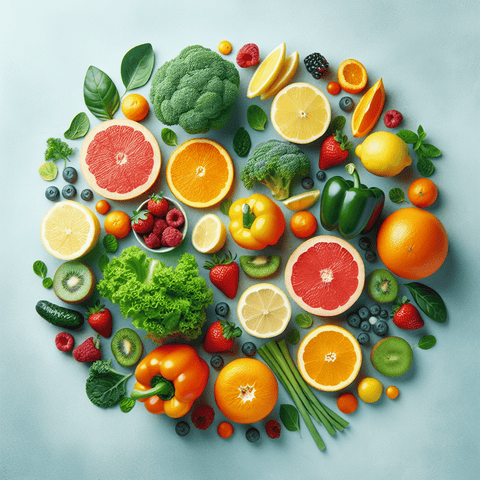

Questo contenuto esplora i cibi ricchi di vitamina C e come integrarli nei pasti di tutti i giorni. Si concentra sui 15 migliori alimenti ricchi di vitamina C, mostrando da dove provengono e quanta vitamina C contengono tipicamente per porzione. Troverai dimensioni di porzione pratiche e idee per incorporare questi alimenti in una varietà di piatti, mantenendo sempre l'attenzione sui cibi ricchi di vitamina C e il loro contenuto. L'obiettivo è presentare informazioni neutrali e utili su queste fonti senza entrare nel campo delle affermazioni relative alla salute. Ecco 15 alimenti ricchi di vitamina C, con le dimensioni di porzione tipiche e il contenuto approssimativo di vitamina C per porzione: Peperone rosso (circa 190 mg per tazza, tritato), Arancia (circa 70 mg per frutto medio), Kiwi (circa 71 mg per frutto), Fragola (circa 89 mg per tazza, a metà), Mezzo pompelmo (circa 38 mg), Limone (circa 31 mg per frutto), Lime (circa 20 mg per frutto), Ananas (circa 79 mg per tazza, a cubetti), Mango (circa 60 mg per tazza, a fette), Papaia (circa 88 mg per tazza, a cubetti), Cantalupo (circa 57 mg per tazza, a cubetti), Broccoli (circa 81 mg per tazza, a cimette), Cavoletti di Bruxelles (circa 75 mg per tazza, crudi), Cavolfiore (circa 46 mg per tazza, crudo), Kale (circa 80 mg per tazza, crudo). Queste cifre riflettono le dimensioni di porzione comuni e danno un'idea di come questi alimenti ricchi di vitamina C si confrontino in termini di contenuto di vitamina C. Per integrare i cibi ricchi di vitamina C nei pasti, puoi pensare a combinazioni colorate e gustose. Ad esempio, aggiungi il peperone rosso alle verdure saltate o alle insalate, completa lo yogurt con fragole o mango affettati, e incorpora spicchi di arancia in ciotole di cereali. Puoi mescolare kale tritato nelle zuppe o nei piatti saltati, gustare l'ananas o la papaia in ciotole di frutta o salse, e usare broccoli o cavoletti di Bruxelles come contorno o in piatti di verdure arrostite. Per un tocco agrumato, spremi limone o lime sui piatti o mescola il loro succo nelle salse. Con queste idee, puoi integrare alimenti ricchi di vitamina C in una varietà di pasti e consistenze durante tutta la giornata. Esplorare i cibi ricchi di vitamina C offre un modo colorato per pianificare pasti con una gamma di sapori e consistenze. L'attenzione qui è sull'identificazione delle principali fonti e delle dimensioni di porzione pratiche, così puoi confrontare le opzioni e sperimentare in cucina. Se desideri diversificare il tuo menu, questi alimenti ricchi di vitamina C offrono molte idee semplici di abbinamento e preparazione per rendere i pasti interessanti.


What foods are high in vitamin C? - Topvitamine
Oct 26, 2025
Gli alimenti ricchi di vitamina C includono peperoni, kiwi, agrumi, fragole, broccoli e altre verdure. Questa guida spiega quanta vitamina C possono fornire alcune porzioni, come ridurre le perdite durante la cottura, quale ruolo svolge nell’organismo e come orientarsi tra alimentazione e integratori. Troverai anche risposte alle domande più frequenti sugli antiossidanti e sulla possibile carenza.
Which food is rich in vitamin C? - Topvitamine
Oct 23, 2025
Gli alimenti ricchi di vitamina C includono peperoni, guava, kiwi, broccoli, fragole e agrumi. In questa guida trovi valori indicativi, idee pratiche per inserirli nei pasti, consigli per limitare la perdita di vitamina durante la cottura e una distinzione chiara tra alimenti e integratori. Troverai inoltre una spiegazione del ruolo antiossidante della vitamina C e le principali precauzioni per un uso consapevole degli integratori.
Which foods contain vitamin C? - Topvitamine
Oct 14, 2025
Gli alimenti ricchi di vitamina C includono guava, peperoni, kiwi, broccoli, fragole, papaya e agrumi. Questa guida spiega quali fonti scegliere, come ridurre la perdita di vitamina durante conservazione e cottura, il ruolo della vitamina C come antiossidante e quando un integratore può essere utile. Troverai anche risposte alle domande sugli antiossidanti e indicazioni di sicurezza per un uso consapevole degli integratori.

Vitamin C foods are a foundational part of a well-rounded diet. Since the human body cannot synthesize this nutrient on its own, it must be obtained through food. This guide explores the most abundant sources of vitamin C, explains why they matter, and offers practical advice for incorporating them into your everyday meals.

Whether you're looking to support your immune system, understand how different foods compare, or find new ways to prepare nutrient-dense meals, this tag page provides a comprehensive overview. We'll cover the top foods, their typical vitamin C content per serving, and the broader context of how this nutrient functions in the body.

What Is Vitamin C and Why Does It Matter?

Vitamin C, also known as ascorbic acid, is a water-soluble vitamin with a range of important roles in the body. It is perhaps most well-known for its function as a powerful antioxidant, helping to protect cells from damage caused by free radicals. Beyond its antioxidant properties, vitamin C is vital for the synthesis of collagen, a protein necessary for healthy skin, blood vessels, and connective tissue. It also enhances the absorption of iron from plant-based foods, which is beneficial for preventing iron deficiency.

Because vitamin C is water-soluble, it is not stored in large amounts in the body. Regular intake through diet is therefore necessary to maintain adequate levels. A deficiency can lead to symptoms like fatigue and weakened immunity, highlighting the importance of consistently consuming vitamin C foods as part of a balanced nutrition plan.

Top Vitamin C Foods and Their Content

Many fruits and vegetables are excellent sources of vitamin C. While citrus fruits are commonly associated with this nutrient, many other foods actually contain higher concentrations. The following list highlights common foods and their approximate vitamin C content per standard serving, providing a clear picture of where to get the most benefit.

  • Red bell pepper: about 190 mg per cup (chopped)
  • Kiwi: about 71 mg per medium fruit
  • Orange: about 70 mg per medium fruit
  • Strawberries: about 89 mg per cup (halved)
  • Papaya: about 88 mg per cup (cubed)
  • Broccoli: about 81 mg per cup (florets)
  • Kale: about 80 mg per cup (raw)
  • Pineapple: about 79 mg per cup (chunks)
  • Brussels sprouts: about 75 mg per cup (raw)
  • Grapefruit: about 38 mg per half fruit
  • Lemon: about 31 mg per fruit
  • Lime: about 20 mg per fruit

As illustrated, a diverse range of produce can help you meet your daily vitamin C needs. Incorporating a variety of these foods not only boosts vitamin C intake but also provides a host of other essential nutrients and dietary fiber.

How to Incorporate More Vitamin C Foods into Your Diet

Maximizing your intake of vitamin C is often about simple culinary strategies. The key is to consume these foods regularly and in a way that preserves their nutrient content, as vitamin C can be sensitive to heat and light.

For everyday meals, consider these practical approaches:

  • Add red bell pepper strips to stir-fries, salads, or omelets for a crisp, sweet crunch.
  • Top yogurt or oatmeal with fresh strawberries, kiwi slices, or other berries.
  • Blend pineapple or mango into smoothies for a tropical flavor boost.
  • Incorporate chopped kale or broccoli into soups, stews, or as a simple roasted side dish.
  • Finish dishes with a squeeze of fresh lemon or lime juice instead of relying on salt or heavy sauces.

Remember that raw consumption often yields the highest vitamin C content. When cooking, using methods that are quick and use minimal water, such as steaming or stir-frying, can help reduce nutrient loss.

Understanding Vitamin C Absorption and Requirements

While getting enough vitamin C is crucial, understanding how your body absorbs it can help optimize your intake. Vitamin C is absorbed in the intestines, and its absorption rate can be influenced by a number of factors. Generally, the body is capable of absorbing a significant portion of the vitamin C found in food, although absorption can become less efficient at very high doses.

Daily requirements can vary based on age, sex, and certain lifestyle factors such as smoking. The recommended daily allowance (RDA) for most adults is around 75–90 mg, which is easily achieved by consuming one serving of a high-vitamin-C food, like a red bell pepper or an orange. Eating a varied diet with multiple servings of fruits and vegetables daily is the most effective way to ensure you're meeting your needs.

Exploring Individual Foods in More Depth

Each vitamin C food brings its own unique set of nutritional benefits beyond just ascorbic acid. For example, red bell peppers are also rich in vitamin A, while kiwi provides dietary fiber and antioxidants. Exploring the individual characteristics of these foods can help you build a more varied and interesting diet.

Vitamin C and Overall Health

The role of vitamin C foods extends beyond just preventing deficiency. As an antioxidant, vitamin C helps combat oxidative stress in the body, which is linked to various aspects of well-being. Its role in collagen formation is also critical for maintaining the health of your skin, joints, and blood vessels.

Moreover, consuming vitamin C along with iron-rich plant foods can significantly boost iron absorption, helping to prevent iron deficiency anemia. For this reason, pairing foods like a spinach salad with strawberries or a citrus vinaigrette is an excellent dietary strategy.

Considering Supplements

While a diet rich in fruits and vegetables is the best way to obtain vitamin C, some people may choose to use supplements to meet their needs. This can be particularly relevant for individuals with limited access to fresh produce, certain absorption issues, or who have higher requirements. For those interested in supplementation, exploring options within our Vitamin C supplement collection can provide additional context.

Broad Context: Vitamins and Supplements

Vitamin C is just one component of a healthy nutritional profile. Other vitamins, such as the B-complex vitamins and vitamin D, also play vital roles in energy metabolism and bone health. A balanced diet that includes a rainbow of fruits and vegetables is the cornerstone of good health. For general information on multivitamins and how they can fit into a healthy lifestyle, you can explore our multivitamin collection.

Conclusion

Vitamin C foods are an indispensable part of a nourishing diet. By understanding the best sources, their nutritional content, and how to best prepare them, you can make informed decisions to support your health. Remember that a diverse and colorful plate is the most effective way to get the vitamins and minerals your body needs to thrive.