Cause della carenza di vitamina D: 7 fattori nascosti e modi semplici per aumentare i tuoi livelli
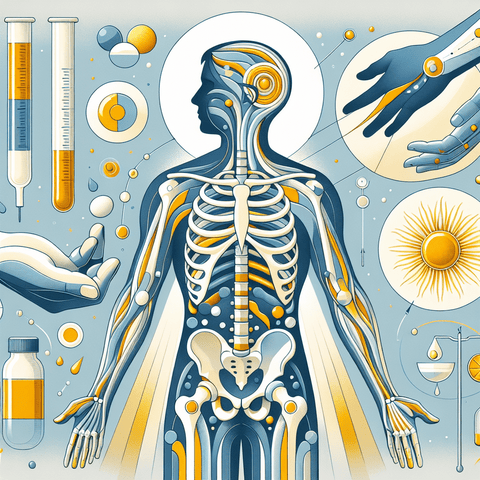

Il può essere sottile e multilivello, rendendo facile perdere alcuni fattori contributivi. Questa pagina si concentra su sette cause nascoste della carenza di vitamina D che spesso passano inosservate, e colloca questi fattori in una visione più ampia dello stato. L'obiettivo è offrire una panoramica neutra che supporti conversazioni informate con un professionista sanitario. Sette cause nascoste di carenza di vitamina D da considerare includono: esposizione limitata al sole a causa di geografia, stagione o routine quotidiane; invecchiamento e cambiamenti nella capacità della pelle di sintetizzare la vitamina D; differenze nelle caratteristiche della pelle che influenzano la produzione solare; condizioni mediche che influenzano l’assorbimento, il metabolismo o l’attivazione della vitamina D; farmaci che influenzano il metabolismo della vitamina D; modelli di peso corporeo e distribuzione che riguardano la disponibilità di vitamina D; e pratiche culturali o schemi occupazionali che riducono il tempo trascorso all’aperto. Per quanto riguarda i passi pratici, le persone spesso descrivono approcci generali per affrontare queste cause di carenza di vitamina D, come adeguare le attività quotidiane per allinearsi alle ore di luce, creare opportunità per trascorrere del tempo all'aperto in modo sicuro, discutere la storia sanitaria con un medico per identificare fattori rilevanti, e adottare un piano che rifletta le circostanze individuali. L’accento è sull’理解 dei fattori coinvolti e su come possano inserirsi in un approccio personale, piuttosto che prescrivere interventi specifici. Riconoscere le cause della carenza di vitamina D è un punto di partenza per discussioni sulla salute personale. Per una guida su misura per te, consulta un professionista che possa aiutarti a individuare i potenziali fattori e discutere i passi successivi appropriati. Se hai domande sulle cause della carenza di vitamina D nella tua situazione, un esperto può aiutarti a interpretarle nel contesto della tua salute complessiva.


How to know if you are lacking vitamin D? - Topvitamine
Oct 16, 2025
I sintomi della carenza di vitamina D sono spesso aspecifici e possono includere stanchezza, debolezza muscolare e dolore osseo. Solo il test ematico della 25-idrossivitamina D, interpretato da un professionista, può aiutare a valutarla. Questa guida spiega cause, alimentazione, sole, integratori di vitamina D, sicurezza e risposte a dubbi comuni come l’aumento rapido dei livelli e il possibile rapporto con il peso.
Why does vitamin D decrease? - Topvitamine
Oct 15, 2025
Perché diminuisce la vitamina D? Le cause più comuni sono poca esposizione ai raggi UVB, alimentazione insufficiente, malassorbimento, alcune condizioni di salute, l’età, l’obesità e determinati farmaci. I sintomi possono essere aspecifici: per questo il dosaggio della 25(OH)D e il confronto con un professionista sanitario sono importanti prima di modificare l’integrazione.

Vitamin D is a crucial nutrient, yet deficiency is surprisingly common. When your vitamin D levels are low, it's rarely due to a single simple cause. Instead, it's often a complex mix of environmental, physiological, and lifestyle factors that work together. This guide explores the primary causes of vitamin D deficiency, from how your body makes it to how it's processed internally, providing a clear overview to help you understand the bigger picture.

Why Is Vitamin D Important and What Does Deficiency Mean?

Vitamin D is a fat-soluble vitamin that is essential for maintaining healthy bones and teeth. It also plays a significant role in supporting a healthy immune system and muscle function. A deficiency occurs when your body doesn't have enough vitamin D to perform these functions optimally. While the causes are varied, understanding them is the first step in addressing low levels. This page serves as a broad overview of the potential contributors, while our individual articles delve deeper into specific areas.

The Primary Cause: Sunlight and Synthesis

The most well-known cause of vitamin D deficiency is a lack of adequate sun exposure. Your skin synthesizes vitamin D when exposed to UVB rays, but this process is highly dependent on several variables.

Environmental and Lifestyle Barriers to Sun Exposure

Many factors can limit your sun exposure, including living in high latitudes with limited winter sunlight, spending most of the day indoors for work or study, and consistently using high-SPF sunscreen. People who live in areas with significant air pollution may also have reduced UVB penetration. Cultural or religious practices that involve covering the skin can also significantly reduce daily sun exposure.

Biological Factors Affecting Vitamin D Synthesis

As we age, our skin's ability to synthesize vitamin D decreases. Similarly, individuals with higher levels of melanin (darker skin) have more natural protection against UV rays, which means they require longer sun exposure to produce the same amount of vitamin D as someone with lighter skin. These biological differences are a crucial piece of the puzzle when considering deficiency causes.

Internal Factors: Absorption, Metabolism, and Medications

Even if you get enough sun or eat vitamin D-rich foods, your body needs to absorb and process it correctly. This involves a complex chain of events in the gut, liver, and kidneys.

How Gut Health and Body Weight Play a Role

Since vitamin D is fat-soluble, its absorption is linked to dietary fat intake and the health of your digestive system. Certain medical conditions affecting the gut can impair absorption. Additionally, research suggests that body weight, particularly higher levels of body fat, may sequester vitamin D, making it less available for the body to use. Explore our calcium and bone health supplements category as calcium and vitamin D often work in tandem.

Influence of Medications and Underlying Health Conditions

Certain medications are known to interfere with vitamin D metabolism, including some drugs for seizures, glucocorticoids, and weight-loss medications. In addition, chronic conditions like kidney or liver disease can impair the body's ability to convert vitamin D into its active form. A thorough discussion of your health history with a clinician is essential to identify these potential contributors.

Dietary Sources and Supplementation

Diet is a secondary but important source of vitamin D. Natural food sources are limited, but they do include certain types of fish, such as salmon and mackerel, egg yolks, and fortified foods like some dairy products and cereals. When diet and sun exposure are insufficient, supplementation is often considered. If you are considering a supplement, it's helpful to review vitamin D benefits, sources, and safety information to make a more informed decision.

What Are the Signs of Low Vitamin D?

While this page focuses on causes, recognizing potential signs is a natural companion topic. Symptoms associated with deficiency can be subtle and are often mistaken for other issues. They may include persistent fatigue, bone or back pain, muscle weakness, or a low mood. It is important to note that these are not definitive indicators. The only way to know for sure if you have a deficiency is to have a blood test ordered by a healthcare professional.

Practical First Steps to Address the Causes

Addressing vitamin D deficiency causes is about understanding your personal risk factors. Here are some high-level, practical approaches to discuss with your doctor:

  • Audit your sun exposure: Assess your typical daily routine and identify realistic opportunities for short, safe sun exposure.
  • Review your diet: Consider how many vitamin D-rich or fortified foods you regularly consume.
  • Discuss your health history: Bring up any chronic conditions or medications you are taking with your clinician, as these can influence your vitamin D levels.
  • Get a blood test: Ask your healthcare provider if a simple blood test is right for you to get an accurate baseline of your status.

For those looking to support their overall nutritional intake, you can view our range of Topvitamine natural supplements, where you can find resources on many essential nutrients.

Exploring the Topic Further

This page has provided a broad map of the primary causes of vitamin D deficiency. To dive deeper into specific aspects, such as how to raise your levels quickly or what foods are high in vitamin D, explore the dedicated articles linked below. They offer more detailed information for those seeking to understand the nuances of this widespread health topic.