
it Esplora le opzioni di latte con vitamina D che portano varietà alla tua routine. Dai latte intero a scremato e senza lattosio, ci sono molteplici stili da considerare. Ogni prodotto è potenziato con vitamina D e realizzato per offrire una propria caratteristica, che tu preferisca una consistenza più cremosa o un finish più leggero. La consistenza e il sapore variano tra le opzioni di latte con vitamina D. Il latte intero offre una ricchezza vellutata; le varianti a 2% e a ridotto contenuto di grassi raggiungono un equilibrio; il latte scremato alleggerisce la consistenza mantenendo i note lattiero-caseari. Le varianti senza lattosio eliminano il lattosio mantenendo un profilo familiare, rendendo facile trovare quella più adatta alle tue preferenze. Le modalità pratiche di utilizzo ti aiutano a confrontare le opzioni di latte con vitamina D. Versa sui cereali, aggiungi al caffè o incorpora nelle ricette che richiedono prodotti lattiero-caseari, a seconda dei tuoi gusti e preferenze di consistenza. L'imballaggio e le etichette evidenziano frequentemente le proprietà potenziate, così puoi scegliere quella che si adatta alla tua routine. Consigli per scegliere il tuo prodotto ideale: decidi tra i livelli di grasso, come intero, a ridotto contenuto di grassi o scremato, e se desideri senza lattosio. Controlla l'etichetta per i dettagli sulla potenziatura e eventuali aromi o dolcificanti aggiunti. Con una gamma di opzioni di latte con vitamina D, puoi trovare quella più adatta alle tue esigenze quotidiane.
Opzioni di latte con vitamina D: scelte arricchite e gustose
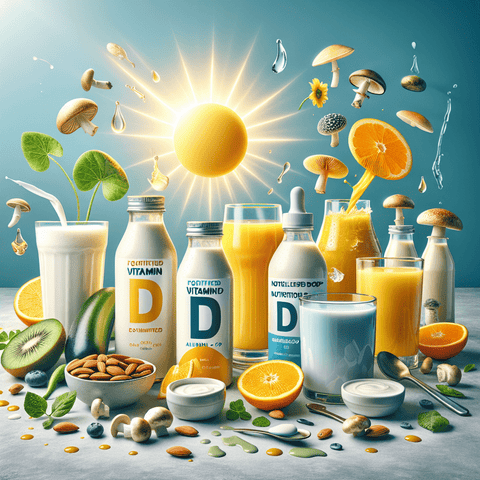
Vitamin D milk options cover a broad range of dairy and plant-based drinks that may be fortified with vitamin D. This tag page is a starting point for understanding which milk types are commonly fortified, how labels can differ, and how to compare choices across whole, reduced-fat, skim, lactose-free, soy, almond, oat, rice and pea milk.
Vitamin D is a nutrient that contributes to the normal function of the immune system and the maintenance of normal bones and teeth, but intake needs vary by person. Fortified milk can be one dietary source among others, and reading labels is often necessary because fortification is not universal. The sections below outline the main dimensions of the topic without replacing personalised advice from a healthcare professional.
What Vitamin D Milk Options Means
The term vitamin D milk options usually refers to milks that have been fortified with vitamin D during processing. In many markets, cows' milk is voluntarily or mandatorily fortified, while plant-based milks such as soy, almond, oat, rice and pea milk may be fortified depending on the brand and product line. Some milks contain no added vitamin D at all.
Because fortification practices differ, the same type of milk can vary between products. A carton of almond milk from one brand may provide a meaningful share of the Daily Value for vitamin D, while another may provide none. This is why comparing nutrition labels is more reliable than assuming that a given milk type is always fortified.
Main Milk Types to Compare
Milk options can be grouped in several ways: by fat content, by lactose content, by base ingredient, and by fortification status. The categories below introduce the main types that readers commonly compare when looking for vitamin D milk options.
Dairy Milks
Dairy milks include whole milk, reduced-fat milk such as 2% and 1%, and skim or nonfat milk. These differ mainly in fat content and mouthfeel. In many countries, vitamin D is added to dairy milk, but this is not universal, and the amount can differ between products. Lactose-free dairy milk is also available and typically follows similar fortification patterns to regular dairy milk in the same market.
Plant-Based Milks
Plant-based milks are made from ingredients such as soy, almonds, oats, rice or peas. Fortification varies widely. Some products are fortified with vitamin D, calcium and vitamin B12, while others are not. Plant-based milks can differ in protein content, texture and flavour, so label reading is useful when comparing them with dairy milk.
Other Milk-Like Options
Some products sit between categories, such as blends of dairy and plant ingredients, or flavoured and sweetened versions. Added sugars, flavourings and other ingredients can affect how a product fits into an overall eating pattern, so the ingredient list and nutrition panel are both worth checking.
Fortified vs Unfortified Milk
Fortification means that vitamins or minerals have been added to a food or drink. In the case of milk, vitamin D may be added during processing. Some milks are fortified by regulation in certain countries, while others are fortified voluntarily. This makes the phrase vitamin D milk potentially misleading if it is used to describe all milks of a certain type.
To identify fortified products, look for vitamin D in the nutrition facts panel. It may be listed in international units or as a percentage of the Daily Value. The serving size matters, because the listed amount applies to that specific serving, not to the entire container. If vitamin D is not listed, the product may not be fortified.
How to Read Vitamin D Labels on Milk
Reading labels helps separate broad claims from specific amounts. A practical approach is to check the nutrition facts panel, the ingredient list and the serving size. The nutrition panel shows the amount of vitamin D per serving, while the ingredient list can indicate whether vitamin D has been added and whether the product contains other added nutrients.
- Check whether vitamin D appears in the nutrition facts panel.
- Note the serving size and compare it with how much you typically use.
- Look at whether the product is fortified with other nutrients such as calcium or vitamin B12.
- Consider added sugars, sweeteners and flavourings if these matter for your routine.
Vitamin D Milk and Different Dietary Patterns
People choose milk for many reasons, including taste, texture, lactose tolerance, allergies, ethical preferences and nutrient needs. Vitamin D fortification is one factor among several. For example, someone following a plant-based diet may look for fortified soy, almond, oat or pea milk, while someone who avoids lactose may choose lactose-free dairy milk or a plant-based alternative.
Certain groups, such as infants, toddlers, older adults and people with bone health concerns, may receive specific guidance from healthcare professionals about vitamin D. General information about fortified milks is not a substitute for that guidance, and individual needs can differ.
Practical Considerations When Choosing
Choosing among vitamin D milk options can be simplified by focusing on a few factors. Fat content affects creaminess and calories. Base ingredient affects flavour, protein content and allergen profile. Fortification affects the vitamin D contribution. Practical use, such as pouring over cereal, adding to coffee or cooking, can also influence which product works best.
- Fat level: whole, reduced-fat, low-fat or skim.
- Base: dairy, soy, almond, oat, rice or pea.
- Fortification: whether vitamin D and other nutrients are added.
- Other ingredients: added sugars, sweeteners, stabilisers or flavourings.
- Dietary pattern: lactose-free, vegan or other preferences.
Exploring Vitamin D and Related Nutrients
Vitamin D works alongside other nutrients in the body, including calcium, magnesium and vitamin K. For readers who want to understand the broader nutritional context, Topvitamine provides category hubs such as vitamin D benefits, sources and safety and calcium for bone and muscle health. These resources offer general educational information and are not a substitute for personal medical advice.
Some readers may also be interested in how vitamin D relates to other fat-soluble vitamins or mineral supplements. For a broader view of supplement categories, the natural supplements collection can be a useful starting point.
Questions to Discuss With a Healthcare Professional
Some questions about vitamin D milk options go beyond general information and may depend on individual circumstances. Examples include whether a particular milk is suitable during infancy or toddlerhood, how vitamin D intake should be considered alongside osteoporosis management, and whether vitamin D may interact with medications such as diltiazem or other prescription drugs.
These topics are best discussed with a qualified healthcare provider who can consider medical history, medications and other factors. A tag page or general article cannot determine what is appropriate for a specific person.
Where to Go Next
This page provides a broad map of vitamin D milk options, including dairy and plant-based categories, fortification, label reading and practical considerations. More specific comparisons, such as detailed vitamin D content across milk types or answers to individual questions about milk and bone health, are better suited to dedicated articles linked from this tag.
For further exploration of related nutrient topics, browse the category hubs above or use the articles associated with this tag to move from a broad overview to more focused questions. Always check product labels for current fortification information, as formulations can change.