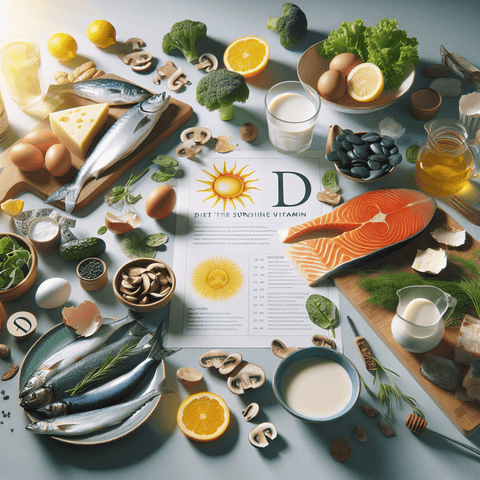
Vitamin D-rich vegetables is a topic that draws interest from anyone following a vegetarian, vegan or plant-forward diet and wondering where vitamin D can come from without relying on animal products. It is also a subject surrounded by misconceptions: while vegetables are central to balanced eating, very few of them naturally contain meaningful amounts of vitamin D. This page provides a broad, structured overview of the topic — what the term really means, which plant-based sources matter, how vegetables compare with other vitamin D sources, and where fortified foods and supplements fit in.
Think of this page as a topical hub. The individual articles collected under this tag explore specific questions in depth; the sections below give you the overall map, so that every detailed question has a clear place in the bigger picture.
- What "vitamin D-rich vegetables" actually means
- The main plant-based vitamin D sources, including UV-exposed mushrooms
- How plant sources compare with other dietary sources of vitamin D
- Factors that influence vitamin D status
- The role of fortified foods and supplements
What Does "Vitamin D-Rich Vegetables" Mean?
The phrase sounds simple, but it covers a nuanced corner of nutrition. Unlike many vitamins, vitamin D occurs naturally in only a small number of foods — and most vegetables are not among them. Green vegetables such as spinach, kale and broccoli are valued in plant-based diets for many reasons, but they are not significant natural sources of vitamin D. The term is therefore best understood as shorthand for a broader question: which plant-based foods can genuinely contribute vitamin D, and which are simply assumed to? Answering that honestly leads to one standout family, mushrooms, and to the important supporting role of fortified products.
Plant-Based Sources of Vitamin D
When the plant kingdom is examined closely, the list of genuine vitamin D sources is short but distinctive. The categories below are the ones most often discussed in relation to plant-based eating.
UV-Exposed Mushrooms
Mushrooms are unique among plant-based foods: when exposed to ultraviolet (UV) light, they can produce vitamin D2, a plant-compatible form of the nutrient. Wild mushrooms that have grown outdoors in daylight do this naturally, while commercially grown mushrooms can be treated with UV light after harvest to raise their vitamin D content. This process — comparable, in simple terms, to how human skin produces vitamin D in sunlight — is why UV-exposed mushrooms sit at the centre of almost every serious discussion about vitamin D-rich vegetables.
Ordinary Culinary Mushrooms
Common cultivated varieties, such as white button mushrooms, usually contain little vitamin D unless they have been deliberately exposed to UV light. Packaging usually makes this clear, as producers who enrich their mushrooms this way tend to label it. Wild-picked mushrooms vary more, which is why mushrooms as a group are best described as an inconsistent rather than uniform source.
Fortified Plant-Based Foods
Fortified foods are not vegetables, but no honest overview of plant-based vitamin D can skip them. Depending on the country and brand, products such as plant-based drinks, breakfast cereals, margarines and yoghurt alternatives may be enriched with vitamin D. For many people following vegetarian or vegan diets, these products — alongside UV-exposed mushrooms — form the practical dietary core of their vitamin D intake.
In short, the plant-based vitamin D conversation usually revolves around:
- UV-exposed mushrooms, the standout natural plant-based source
- Wild mushrooms, whose vitamin D content varies by type and growing conditions
- Fortified foods such as plant drinks, cereals and spreads
- Supplements, including vitamin D2 and vegan vitamin D3 options
Vitamin D Beyond Vegetables
To see where vegetables truly stand, it helps to look at the full source landscape. Among naturally occurring foods, oily fish such as salmon, herring, mackerel and sardines, together with cod liver oil and egg yolks, are widely recognised as the richest sources of vitamin D. These foods sit outside a vegan diet and only partly within a vegetarian one — which is precisely why plant-based eaters pay extra attention to mushrooms and fortified alternatives.
Sunlight deserves its own mention. For most people, it is the main contributor to vitamin D status: the skin produces vitamin D when exposed to UVB light. How much is produced depends on factors such as season, latitude, time spent outdoors and individual characteristics, which is why vitamin D is often described as a nutrient shaped as much by lifestyle as by diet.
Factors That Influence Vitamin D Status
Vitamin D status reflects a combination of lifestyle and dietary factors rather than any single food. Limited time in sunlight, living far from the equator, spending most of the day indoors and eating patterns with few vitamin D-containing foods are among the circumstances commonly associated with lower intake. On the other side, regular sensible sun exposure, fortified products, UV-exposed mushrooms and, where appropriate, supplements are the routes most often discussed for maintaining vitamin D levels. Because individual needs vary, anyone who suspects low vitamin D or wonders about testing should speak with a qualified healthcare professional.
Supplements and Vitamin D
Supplements are a common way people top up their vitamin D, particularly those with limited sun exposure or plant-based diets. Two main forms exist: vitamin D2, typically derived from plant or fungal sources such as UV-exposed yeast, and vitamin D3, which has traditionally been animal-derived, although vegan D3 made from lichen is also available. For more on this nutrient, its sources and the available options, browse our vitamin D collection.
Vitamin D is also a familiar ingredient in many multivitamin formulas, which some readers prefer for combining several nutrients in one product. Our multivitamins guide explains how these products are typically composed and what to look for when comparing them.
Frequently Asked Questions
Which food has the highest vitamin D?
Among natural foods, cod liver oil and oily fish such as salmon, herring and sardines are generally recognised as the richest sources of vitamin D. Within plant-based eating, UV-exposed mushrooms stand out as the most meaningful source, since most vegetables contain little or no vitamin D naturally.
How can vitamin D levels be raised?
The three routes usually discussed are sunlight exposure, dietary sources — including fortified foods and UV-exposed mushrooms — and supplements. There is no single vegetable that reliably raises vitamin D on its own, and anyone concerned about their levels is advised to discuss testing and suitable options with a healthcare professional.
Do I need a supplement if I eat plenty of vegetables?
Not necessarily. Because vegetables contribute little vitamin D, a plant-rich diet alone does not determine vitamin D status; sunlight and fortified or supplemented sources matter more. Whether a supplement makes sense depends on your diet, lifestyle, location and personal circumstances — a question best discussed with a healthcare professional.
Exploring the Topic Further
This page offers the map of the topic; the articles collected under this tag explore individual questions in greater depth, from the science behind UV-exposed mushrooms to practical guidance for vegetarian and vegan diets. If your interest in plant-based nutrition extends beyond vitamin D, our superfoods guide offers a broader look at nutrient-rich plant foods and how they are described.