
Vitamin D3 Softgels 2000 IU offrono un'opzione ad alta potenza nella facile da deglutire forma di softgel. Ogni softgel fornisce 2000 IU di vitamina D3, progettata per l'uso quotidiano e confezionata in una capsula compatta per una gestione semplice. Il design liscio e snello è pensato per integrarsi facilmente nella routine quotidiana. Realizzati come softgel di vitamina D3, la capsula presenta un involucro semplice e facile da deglutire, con etichettatura chiara che indica il dosaggio e le informazioni essenziali del prodotto. La formula ad alta potenza è racchiusa in un involucro softgel affidabile, offrendo un'esperienza di consumo costante ad ogni assunzione. Indicazioni per l'uso e conservazione: prendere una softgel al giorno con acqua o secondo le indicazioni di un professionista sanitario. Non superare la dose giornaliera raccomandata. Conservare in un luogo fresco e asciutto, lontano dalla luce, e mantenere il contenitore ben chiuso fuori dalla portata dei bambini. Acquista ora il tuo vitamina D quotidiana. Scopri la nostra selezione di softgel di vitamina D3 e trova un'opzione affidabile per integrarla nella tua routine.
Vitamina D3 Softgel: Potenzia il sistema immunitario e la salute delle ossa – 2000 IU, Facile da deglutire
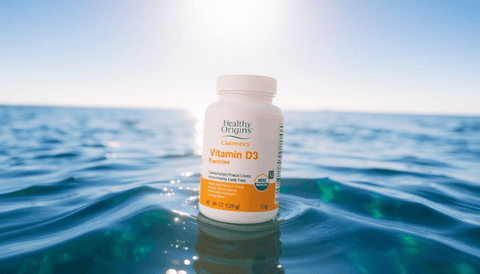
Vitamin D3 softgels are a popular and convenient way to supplement one of the most important nutrients for overall health. This page serves as a broad guide to understanding what vitamin D3 is, why it matters, and what you should consider when adding a softgel supplement to your daily routine. From its role in bone health to its support of the immune system, we'll explore the key aspects of this essential vitamin.
What is Vitamin D3?
Vitamin D3, or cholecalciferol, is one of the two main forms of vitamin D, the other being vitamin D2 (ergocalciferol). The body naturally produces vitamin D3 when the skin is exposed to ultraviolet B (UVB) rays from the sun. It's also found in certain animal-based foods, such as fatty fish (salmon, mackerel, and tuna), egg yolks, and beef liver. However, due to factors like limited sun exposure, sunscreen use, and geographical location, many people have insufficient vitamin D levels and may choose to supplement.
Vitamin D is unique because it functions as a hormone in the body, influencing the expression of numerous genes. It's essential for the absorption of calcium and phosphorus from the intestines, which is fundamental for maintaining strong and healthy bones. Beyond skeletal health, vitamin D receptors are present in many different tissues, including muscles, immune cells, and the brain, suggesting a wider role in overall wellness.
Why is Vitamin D3 Important for Health?
Vitamin D3 is critical for several key bodily functions. Its most well-known role is in bone health, where it works in conjunction with calcium to build and maintain strong bones, helping to prevent conditions like osteoporosis and rickets. Adequate vitamin D levels are also linked to a properly functioning immune system, helping the body defend against illness.
Emerging research also suggests that vitamin D may play a part in mood regulation and muscle function. While the evidence is not yet conclusive, maintaining sufficient levels might support mental well-being and physical performance. It's important to note that these are potential areas of benefit, and vitamin D should not be viewed as a cure or treatment for any disease. Instead, it's an essential nutrient for foundation health.
Main Types and Sources of Vitamin D
There are two primary forms of vitamin D:
- Vitamin D2 (Ergocalciferol): This form is derived from plant sources, primarily yeast and mushrooms that have been exposed to UV light. It's often used in fortified foods.
- Vitamin D3 (Cholecalciferol): This is the form synthesized by the body upon sun exposure and found in animal sources. It is also the most common form used in supplements due to its higher potency and longer duration in the body.
While both forms can raise blood levels of vitamin D, Vitamin D3 is often preferred for supplementation because it is more effective at maintaining those levels over time. Sources of vitamin D3 include sunlight, fatty fish, and supplements.
How Vitamin D3 Softgels Work
Vitamin D3 softgels are designed to provide a precise, measured dose of the vitamin in a form that's easy to swallow. The softgel casing typically contains the vitamin D3 suspended in a carrier oil, such as olive oil, coconut oil, or sunflower oil. This is because vitamin D is fat-soluble, meaning it is better absorbed when consumed with dietary fat.
Once ingested, the oil in the softgel helps to ensure that the vitamin D3 is efficiently absorbed by the digestive system and can then be used by the body. This method of delivery is preferred by many over tablets or capsules because it can enhance the bioavailability of the nutrient and reduces the risk of it passing through the digestive tract without being utilized.
Vitamin D3 Softgels vs. Other Forms
When you visit a store or browse online, you'll find vitamin D3 available in a variety of forms, including softgels, tablets, gummies, and drops. Each format has its own set of advantages. Softgels are known for their good absorption and convenience, as they are easy to swallow and typically don't have the unpleasant taste of some vitamins.
Tablets are another common choice, but they may contain binders and fillers, and some people find them harder to swallow. Gummies are a palatable option, but they often contain added sugar and may have a lower dose of vitamin D per serving. Drops allow for flexible dosing, which can be beneficial for children or those who need a very specific amount. Ultimately, the best form depends on your personal preferences and needs.
Choosing the Right Vitamin D3 Softgel
Selecting a high-quality vitamin D3 supplement involves more than just picking the first bottle off the shelf. Here are some key factors to keep in mind:
- Dosage: Consider the amount of vitamin D3 per softgel (e.g., 1000 IU, 2000 IU, 5000 IU). Your needs will depend on your blood levels, which can be checked with a simple blood test, and your healthcare provider's recommendations.
- Purity and Quality: Look for supplements that are third-party tested for purity and potency, ensuring that what's on the label is actually in the product.
- Ingredients: Check for unnecessary additives and fillers. A high-quality softgel will often have a simple ingredient list.
- Brand Reputation: Choose reputable brands that are transparent about their sourcing and manufacturing processes.
How to Incorporate Vitamin D3 Softgels into Your Routine
Incorporating a vitamin D3 softgel into your daily routine is simple. The most important tip is to take it with a meal that contains some fat, whether it's breakfast, lunch, or dinner. This will maximize absorption. For best results, try to establish a consistent time each day to take your supplement, so it becomes a habit.
To take the softgel, simply swallow it whole with a glass of water. Do not crush or chew it. You should also store your vitamin D3 softgels in a cool, dry place, away from direct sunlight, as heat and light can degrade the quality of the supplement.
Important Considerations Before Taking Vitamin D3
While vitamin D3 is generally safe, it is possible to take too much. This is because it's a fat-soluble vitamin, meaning your body can store it, and excessive levels can build up over time, potentially leading to toxicity. Symptoms of vitamin D toxicity are rare but can include nausea, vomiting, weakness, and kidney problems.
It's always a wise decision to talk to a healthcare professional before starting any new supplement, especially if you have an existing health condition or are taking other medications. They can help you determine if you need a supplement and what the appropriate dosage would be for your specific circumstances. General educational information should not be used as a substitute for personalized medical advice.
Vitamin D3 is just one piece of the puzzle when it comes to nutritional wellness. Other vitamins and minerals also play crucial roles in maintaining health. For instance, calcium works hand-in-hand with vitamin D to support strong bones, while antioxidants like vitamins C and E help protect cells from damage. If you're interested in a broader approach to supplementation, you might want to explore natural supplement categories to find other products that align with your wellness goals.
Furthermore, understanding how different nutrients interact can help you make more informed choices. For example, taking vitamin D can increase your body's need for vitamin K2, another fat-soluble vitamin that helps direct calcium to the bones rather than soft tissues. A balanced approach to nutrition, focusing on a variety of whole foods and targeted supplementation when necessary, is often the most effective strategy.