it
Alternatives alle compresse di vitamina: fonti di vitamine naturali e sicure
Vitamin tablet alternatives describe a shift in thinking about daily nutrition, moving the focus from a routine centered on pills to one that embraces food and lifestyle choices. This perspective is for anyone curious about how to obtain essential vitamins and minerals without relying solely on synthetic supplements. It's a concept that invites exploration into nutrient-dense diets, absorption factors, and practical habits that support a balanced nutritional profile.
This page serves as a guide to that broader topic. We'll explore what these alternatives are, why they matter, the different forms they can take, and important considerations if you're thinking about changing how you approach your nutrient intake. This is a high-level overview designed to help you understand the landscape and the many avenues available beyond the supplement aisle.
Understanding Vitamin Tablet Alternatives
At its core, the term 'vitamin tablet alternatives' encompasses any method of obtaining essential nutrients that does not involve swallowing a traditional vitamin or mineral pill. This is a broad category that goes beyond just finding a different supplement format. It is a philosophy that prioritizes the nutritional value found in whole foods and daily routines.
The underlying idea is not necessarily that tablets are bad, but rather that they are one tool among many. For some, alternatives may mean a complete shift to a food-first approach. For others, it could involve exploring different supplement formats or making lifestyle adjustments to improve how the body absorbs nutrients from the diet. Understanding this broad spectrum is key to navigating the topic effectively.
Why Look Beyond Traditional Tablets?
The motivation to explore vitamin tablet alternatives is highly personal. Common reasons include:
- Difficulty swallowing pills or tablets.
- Digestive discomfort associated with certain supplements.
- A preference for nutrients in their natural food matrix, which includes fiber and other phytonutrients.
- A desire for a more holistic and mindful approach to health and eating.
- Concerns about cost or the necessity of daily supplementation.
Ultimately, it's about finding a sustainable and effective way to support overall well-being that aligns with an individual's values and physical needs.
Food-First Nutrition: The Foundation of Alternatives
The most fundamental alternative to vitamin tablets is a well-planned, varied diet. Whole foods are complex and contain a mix of vitamins, minerals, fiber, and other beneficial compounds that work together. This section explores the main categories of nutrients and how to source them through food.
Key Nutrients and Their Food Sources
Vitamins and minerals are essential for countless bodily functions. Focusing on diverse food groups is the most natural way to cover these needs.
- Vitamin D: Unlike most vitamins, it is primarily obtained through sun exposure. It is also found in smaller amounts in foods like oily fish, egg yolks, and fortified products such as milk and cereals.
- Vitamin B12: Naturally present in animal products like meat, fish, poultry, eggs, and dairy. For those following plant-based diets, fortified foods like nutritional yeast or plant milks are common sources.
- Iron: Found in two forms: heme iron from animal sources (red meat, poultry) and non-heme iron from plant sources (lentils, beans, spinach). Pairing plant sources with vitamin C-rich foods can enhance absorption.
- Calcium: Well-known from dairy products, but also present in leafy greens like kale and bok choy, as well as fortified plant milks and tofu.
A diet rich in fruits, vegetables, whole grains, lean proteins, and healthy fats provides a solid foundation for meeting nutrient needs through food alone.
Exploring Non-Tablet Supplement Formats
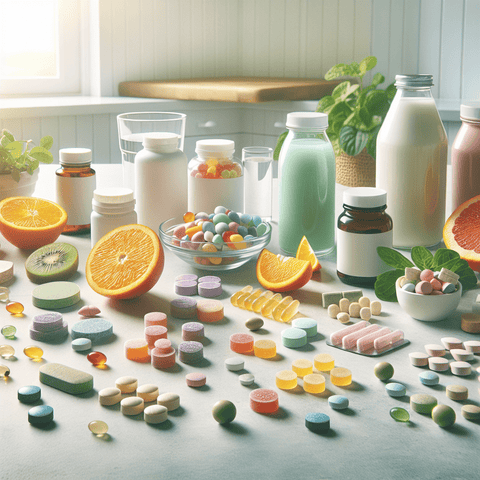
For situations where dietary intake may be insufficient, there are many supplement formats that don't come in tablet form. These can be useful alternatives for people who have difficulty with pills. A few common options include:
- Powders: Can be mixed into water, smoothies, or food. Protein powders, greens powders, and creatine are widely available in this format.
- Liquids: Tinctures, drops, and liquid formulations are absorbed quickly and can be taken directly or mixed into beverages.
- Gummies and Soft Gels: These offer a chewable or easy-to-swallow option for many vitamins, though they can sometimes contain added sugars.
- Sprays: Sublingual sprays are designed to be absorbed through the mucous membranes in the mouth.
These formats can be a practical middle ground for those who prefer not to take standard tablets but still want the convenience of a concentrated supplement.
Lifestyle Factors That Influence Nutrient Status
Moving beyond nutrition, several lifestyle habits can significantly impact how well your body absorbs and utilizes vitamins and minerals. These factors are an often-overlooked but crucial part of an alternative approach.
- Sunlight Exposure: The most natural source for vitamin D synthesis. Regular, moderate sun exposure is key for maintaining adequate levels.
- Gut Health: A healthy digestive system is essential for nutrient absorption. A diet rich in fiber and probiotics supports a healthy gut microbiome.
- Stress Management: Chronic stress can deplete certain nutrients and affect digestive function. Practices like yoga, meditation, or simple breathing exercises support overall health.
- Sleep Quality: The body performs many restorative processes during sleep, including regulating hormones that influence metabolism and appetite.
By addressing these factors, you can optimize the use of the nutrients you consume from your diet, making a food-first approach more effective.
Other Vitamins and Minerals: A Quick Reference
The discussion of alternatives often centers on key nutrients. However, a comprehensive view includes understanding the sources of other essential vitamins. For example, vitamin C is abundant in citrus fruits and bell peppers, while vitamin A can be obtained from orange and dark green vegetables. The B-vitamin complex is found in whole grains and legumes, and vitamin E is present in nuts and seeds. Learning about these sources expands the possibility of meeting nutritional needs through diet.
For those looking to understand specific nutrients in depth, we have guides on vitamin B, vitamin D, and nutrient-rich superfoods available on our site.
Important Considerations and Professional Guidance
Before making significant changes to your supplement routine or relying solely on dietary alternatives, it's important to consider a few things. Individual needs vary significantly based on age, health status, dietary preferences, and lifestyle. What works for one person may not be sufficient for another.
Certain populations may have higher nutritional needs that are difficult to meet through food alone. For instance, pregnant women, older adults, vegans, and individuals with specific medical conditions may require targeted supplementation. *This content is for informational purposes only and is not a substitute for professional medical or nutritional advice.*
Because of this complexity, consulting a healthcare provider or registered dietitian is highly recommended. They can assess your individual needs, identify potential deficiencies, and create a personalized plan that safely and effectively meets your health goals, whether that involves food, supplements, or a combination of both.