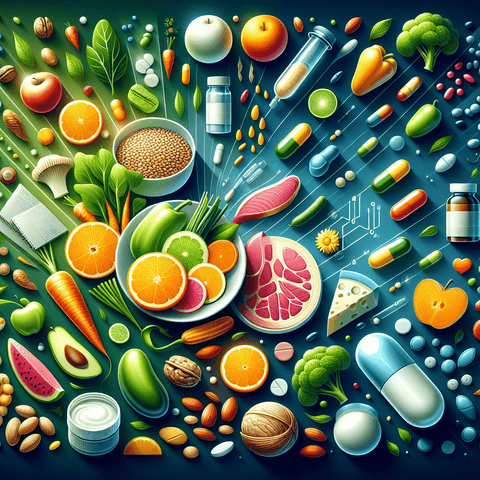
Water-soluble vitamins are essential nutrients that your body needs every day. Unlike fat-soluble vitamins that can be stored, these vitamins dissolve in water and are quickly eliminated, requiring regular replenishment. This guide provides an overview of the B-complex vitamins and vitamin C, explaining their roles, food sources, and factors that may increase your need for them.
The Key Players: B-Complex and Vitamin C
The water-soluble vitamin family includes eight B vitamins and vitamin C. The B-complex vitamins work together to help your body convert food into energy, support brain function, and maintain healthy red blood cells. Vitamin C acts as an antioxidant and is necessary for collagen formation, immune function, and iron absorption. Understanding each group helps you appreciate their combined importance.
The B-Complex Vitamins: Energy and Metabolism
The eight B vitamins—thiamine (B1), riboflavin (B2), niacin (B3), pantothenic acid (B5), pyridoxine (B6), biotin (B7), folate (B9), and cobalamin (B12)—are involved in nearly every aspect of cellular metabolism. They help break down carbohydrates, fats, and proteins into usable energy, support the production of neurotransmitters, and are critical for DNA synthesis and repair. Many B vitamins are available together in B-complex supplements, and they are often included in multivitamin formulas for comprehensive support.
Vitamin C: Antioxidant and Collagen Support
Vitamin C is well-known for its role in supporting immune function, but it also acts as a powerful antioxidant protecting cells from oxidative stress. It is essential for producing collagen, the structural protein that supports skin, blood vessels, and connective tissues. Additionally, vitamin C enhances iron absorption from plant-based foods, helping prevent iron deficiency. Citrus fruits, peppers, strawberries, and broccoli are excellent dietary sources.
Primary Causes and Risk Factors for Insufficiency
Because water-soluble vitamins are not stored, deficiencies can develop when your intake is consistently inadequate or when factors increase your body's demand. Recognizing these risk factors is the first step in ensuring you meet your daily needs.
Dietary Patterns That Fall Short
The most common cause of insufficiency is a diet lacking nutrient-dense foods. Highly processed diets, restrictive eating plans, and low intake of fruits and vegetables can create gaps. Vegans and strict vegetarians may be particularly at risk for vitamin B12 deficiency, as this vitamin is naturally found almost exclusively in animal products. Fortified foods or supplements can help bridge this gap.
Lifestyle Factors and Absorption Challenges
Chronic alcohol consumption interferes with B-vitamin absorption and increases urinary excretion. Aging reduces stomach acid production, which impairs vitamin B12 absorption from food. Certain medications, including metformin, proton pump inhibitors, and diuretics, can deplete water-soluble vitamin levels. Individuals with gastrointestinal conditions like celiac disease or Crohn's disease may also have reduced absorption capacity.
Recognizing Common Signs of Deficiency
Symptoms of water-soluble vitamin deficiency vary depending on which nutrient is lacking. General signs include fatigue, weakness, and poor concentration. More specific cues include cracked lips and skin rashes (riboflavin), pellagra with dermatitis (niacin), anemia (folate and B12), and easy bruising or slow wound healing (vitamin C). Neurological symptoms like tingling or numbness may indicate B12 or B6 deficiency.
Prioritizing Food Sources
A well-balanced diet remains the best way to obtain water-soluble vitamins. These nutrients are widely distributed across both plant and animal foods, so a varied diet typically covers your needs. Emphasize whole grains, legumes, vegetables, fruits, nuts, seeds, and quality protein sources.
Building a Nutrient-Dense Eating Pattern
Incorporate foods rich in B vitamins and vitamin C into your meals. Breakfast can include whole-grain cereal with milk and berries. Lunch might feature a large salad with chickpeas and colorful vegetables. Dinner could include fish or poultry with steamed vegetables and quinoa. Snacks like nuts, seeds, and fresh fruit provide additional nutrients. This pattern naturally supplies a broad spectrum of water-soluble vitamins.
Preserving Nutrients During Preparation
Water-soluble vitamins are sensitive to heat, light, and water. Boiling can cause significant nutrient loss. To minimize this, prefer steaming, stir-frying, or microwaving vegetables with minimal water. Cut produce into larger pieces and cook for the shortest time possible. Storing food properly and consuming produce fresh also helps preserve vitamin content.
When to Consider Supplementation
While food comes first, certain situations make supplementation reasonable or necessary. Supplements can fill specific gaps that are difficult to cover from diet alone, especially for high-risk groups. Always view supplements as a complement—not a replacement—for a healthy diet.
Groups With Higher Nutrient Needs
Vegans and strict vegetarians should consider a vitamin B12 supplement or rely on fortified foods. Older adults, especially those over 50, may benefit from B12 in supplement form because it is more easily absorbed without stomach acid. Pregnant women or those planning pregnancy are advised to take folic acid to prevent neural tube defects. Smokers need additional vitamin C due to increased oxidative stress.
Choosing a Quality Supplement
When selecting a water-soluble vitamin supplement, consider the form and dosage. Methylated forms of folate (5-MTHF) and B12 (methylcobalamin) are already bioactive and may be preferable for individuals with certain genetic variations. A balanced B-complex that includes all eight B vitamins is generally preferred over isolated vitamins to avoid imbalances. For vitamin C, a moderate dose of 250–500 mg daily is reasonable for most people.
Understanding Supplement Labels
Read labels carefully to identify the active forms of vitamins. Look specifically for ingredients like "methylcobalamin" or "L-5-MTHF". Check the serving size to determine the amount per dose. Consider third-party testing certifications such as USP or NSF to ensure product quality. Also check for allergens and verify that the product aligns with your dietary preferences, such as vegan or gluten-free.
Safety, Interactions, and Professional Guidance
Water-soluble vitamins have a low risk of toxicity because excess is excreted. However, exceptions exist, and high doses can interact with medications. Practicing caution and seeking professional advice when needed is essential.
Upper Limits and Potential Side Effects
Niacin (B3) can cause flushing at doses above 50 mg, and the upper limit is 35 mg for the immediate-release form. High doses of vitamin B6 (above 100 mg daily) over a prolonged period can lead to peripheral neuropathy. Vitamin C above 2,000 mg daily may cause digestive upset. Staying within recommended upper limits is important for safety.
Medication Interactions to Be Aware Of
Several medications can affect water-soluble vitamin status. Metformin and proton pump inhibitors can reduce B12 absorption. Diuretics may increase the excretion of B vitamins. Methotrexate and sulfasalazine interfere with folate metabolism. If you take any medication, discuss potential nutrient interactions with your healthcare provider to avoid unintended consequences.
When to Seek Professional Advice
If you experience persistent fatigue, neurological symptoms, or other concerns that may relate to nutrient deficiency, laboratory testing can provide clarity. Blood tests can measure levels of specific vitamins, and functional markers like homocysteine may assess B12 and folate status. Self-diagnosis can lead to incorrect treatment, so seek professional guidance for an accurate assessment.
Final Takeaway: A Balanced Approach
Water-soluble vitamins sustain daily energy, immune resilience, and overall health. Prioritize nutrient-dense foods first, and use supplements selectively when your situation demands it. Understanding the roles, food sources, and factors that affect your requirements allows you to make informed decisions for your health.
Key Takeaways
- Water-soluble vitamins include the B-complex group and vitamin C, which require regular intake because the body does not store them.
- These vitamins support energy metabolism, neurological function, red blood cell production, and immune defense.
- Deficiency risk increases with restrictive diets, alcohol use, aging, certain medications, and digestive disorders.
- Food should always be the priority, with emphasis on vegetables, fruits, legumes, whole grains, and quality protein sources.
- Supplementation is appropriate for high-risk groups, and choosing the right form and dose is essential.
- Persistent symptoms warrant professional testing rather than self-medication.