
{ "p": ["Quando assumere le vitamine dipende principalmente dal tipo di vitamina, dal fatto che sia liposolubile o idrosolubile e dalla tua routine personale. I tempi di assunzione possono influire su quanto bene il corpo assorbe alcuni nutrienti, quindi alcune semplici indicazioni possono aiutarti a ottenere il massimo dal tuo programma di integrazione."], "h2": ["Indicazioni generali sui tempi di assunzione", "La costanza conta più di tutto"], "ul": ["Le vitamine liposolubili (A, D, E, K) sono meglio assumerle con un pasto che contenga grassi, poiché ciò favorisce l'assorbimento.", "Le vitamine idrosolubili (vitamine del gruppo B e vitamina C) possono in genere essere assunte in qualsiasi momento della giornata, spesso con il cibo per ridurre la possibilità di fastidi allo stomaco.", "I multivitaminici sono in genere assunti con un pasto, poiché contengono solitamente sia nutrienti liposolubili che idrosolubili.", "I minerali come il magnesio e il calcio sono anch'essi comunemente assunti con il cibo, e alcune persone preferiscono assumere il magnesio la sera."], "p2": ["Più importante dell'ora esatta della giornata è assumere gli integratori in modo costante. Scegliere un momento della giornata che puoi mantenere ogni giorno, ad esempio durante colazione o cena, rende più facile costruire un'abitudine duratura. Se assumi più integratori, può essere utile distanziarli nel tempo, poiché alcuni nutrienti possono interagire tra loro."], "p3": ["Le necessità individuali variano in base alla dieta, allo stile di vita e allo stato di salute. Se non sei sicuro che l'integrazione sia adatta a te o su quando assumere vitamine specifiche, è consigliabile consultare un professionista sanitario. Per una panoramica generale delle opzioni, puoi esplorare gli integratori naturali o saperne di più sull'uso e sulla sicurezza dei multivitaminici."] }
Quando assumere le vitamine: massimizzare l'assorbimento per una migliore salute

{"content":"
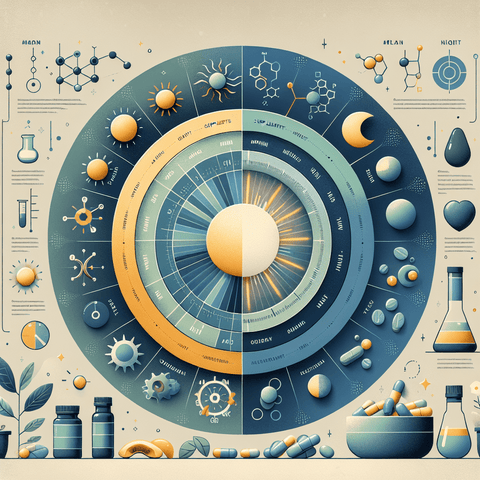
Sapere quando prendere le vitamine può influire in modo significativo su quanto bene il tuo corpo le assorbe e le utilizza. Questa guida spiega il momento migliore per assumere le vitamine liposolubili e idrosolubili, come i minerali interagiscono con i tempi di assunzione delle vitamine e cosa dice l'evidenza scientifica sulle routine mattutine rispetto a quelle serali. Imparerai inoltre quali combinazioni di nutrienti si supportano a vicenda o competono tra loro, perché i bisogni individuali differiscono e come costruire una semplice routine vitaminica costante, adatta al tuo stile di vita e realmente efficace.
\n\n
Quando prendere le vitamine: perché il momento dell'assunzione conta per l'assorbimento e l'efficacia
\n\n
Le vitamine non vengono tutte assorbite allo stesso modo. Alcune richiedono grassi alimentari per essere assorbite in modo efficiente, altre si assumono meglio a stomaco vuoto e alcuni minerali competono tra loro per gli stessi meccanismi di assorbimento. Programmare l'assunzione degli integratori in base ai pasti, agli altri nutrienti e al tuo ritmo giornaliero può migliorare la tollerabilità e aiutarti a ottenere il massimo da ciò che assumi. Detto questo, il timing è un perfezionamento, non una bacchetta magica. La costante conta più della perfezione, e comprendere le basi scientifiche dell'assorbimento ti aiuta a fare scelte pratiche senza complicare eccessivamente la tua giornata.
\n\n
Cosa tratta questa guida
\n\n
Questo articolo affronta la distinzione fondamentale tra vitamine liposolubili e idrosolubili, il momento migliore per assumerle, come si collocano i minerali nel quadro generale e i fattori che influenzano l'assorbimento da persona a persona. Vengono trattati anche come leggere le etichette degli integratori, scegliere prodotti di qualità e riconoscere quando una routine di integrazione vale davvero la pena essere presa in considerazione.
\n\n
Cosa significa davvero il timing delle vitamine?
\n\n
Il timing delle vitamine si riferisce a quando assumi un integratore rispetto ai pasti, agli altri nutrienti e all'ora del giorno. L'obiettivo è allineare l'assunzione alle condizioni di cui il tuo corpo ha bisogno per un assorbimento ottimale — ad esempio, assumere le vitamine liposolubili con un pasto che contenga grassi, o separare i minerali che competono per l'assorbimento.
\n\n
Vitamine liposolubili e idrosolubili: la distinzione chiave
\n\n
Le vitamine si dividono in due grandi categorie. Le vitamine liposolubili — A, D, E e K — si sciolgono nei grassi e vengono assorbite insieme ai lipidi alimentari nell'intestino tenue. Possono essere immagazzinate nel fegato e nel tessuto adiposo, il che significa che l'organismo ha riserve, ma anche che un'assunzione eccessiva può accumularsi. Le vitamine idrosolubili, che includono la vitamina C e quelle del gruppo B, si sciolgono nell'acqua, in genere non vengono immagazzinate in grandi quantità e l'eccesso viene solitamente eliminato con le urine.
\n\n
Come funzionano assorbimento e biodisponibilità
\n\n
La biodisponibilità descrive la proporzione di un nutriente effettivamente assorbita e disponibile per l'uso da parte dell'organismo. Diversi fattori la influenzano: la forma chimica del nutriente, la presenza o l'assenza di cibo, la composizione del pasto, la salute digestiva e le interazioni con altri composti. Un integratore può contenere la dose corretta indicata in etichetta, ma rilasciare nel circolo sanguigno una quantità molto inferiore se le condizioni per l'assorbimento sono scarse.
\n\n
Termini comuni spiegati: biodisponibilità, stomaco vuoto e sinergia tra nutrienti
\n\n
- Biodisponibilità: la frazione di un nutriente ingerito che viene assorbita e utilizzabile dall'organismo.
- Stomaco vuoto: assumere un integratore almeno una o due ore prima o dopo un pasto; ciò può migliorare l'assorbimento di alcuni nutrienti idrosolubili, ma può causare disturbi gastrici in altri.
- Sinergia tra nutrienti: quando i nutrienti potenziano reciprocamente l'assorbimento o la funzione — per esempio, la vitamina D che favorisce l'assorbimento del calcio, o la vitamina C che migliora l'assorbimento del ferro dagli alimenti vegetali.
\n\n
Quando prendere le vitamine liposolubili (A, D, E e K)
\n\n
Le quattro vitamine liposolubili condividono un requisito comune: hanno bisogno di grassi alimentari per essere ben assorbite. Assumerle con un pasto completamente privo di grassi o a stomaco vuoto può ridurre sensibilmente la quantità effettivamente assorbita dall'organismo.
\n\n
Perché queste vitamine hanno bisogno di grassi alimentari
\n\n
Le vitamine liposolubili vengono incorporate nelle micelle — minuscole strutture a base di grassi formate durante la digestione — prima di essere assorbite nell'intestino tenue. In assenza di grassi alimentari, questo processo è meno efficiente. La ricerca suggerisce che assumere la vitamina D con un pasto contenente grassi può migliorarne l'assorbimento rispetto all'assunzione a digiuno. Anche una modesta quantità di grassi, ad esempio da olio d'oliva, uova, frutta secca o latticini, è generalmente sufficiente.
\n\n
Miglior momento della giornata per la vitamina D e le altre vitamine liposolubili
\n\n
Il fattore più importante per le vitamine liposolubili è assumerle con un pasto che contenga grassi — quale che sia quel pasto. Alcune ricerche limitate e dati osservazionali hanno suggerito che la vitamina D assunta con il pasto principale della giornata possa essere assorbita meglio, ma le evidenze su un preciso momento \"ottimale\" della giornata restano limitate. Per la maggior parte delle persone, abbinare queste vitamine a colazione o cena — a seconda di quale pasto includa costantemente grassi — è un approccio pratico. È la costanza a determinare i risultati, soprattutto per la vitamina D, per cui livelli ematici stabili contano più dell'ora esatta di assunzione.
\n\n
Se desideri una comprensione più approfondita delle singole vitamine liposolubili, le nostre guide sui benefici, le fonti e la sicurezza della vitamina D e sulla vitamina K ne descrivono il ruolo in modo più dettagliato.
\n\n
Quando prendere le vitamine idrosolubili (vitamine del gruppo B e vitamina C)
\n\n
Le vitamine idrosolubili sono in genere più flessibili per quanto riguarda il momento di assunzione rispetto a quelle liposolubili, ma esistono comunque considerazioni pratiche che possono migliorare tollerabilità ed efficacia.
\n\n
Perché le vitamine B sono spesso consigliate al mattino
\n\n
Le vitamine del gruppo B svolgono un ruolo centrale nel metabolismo energetico: aiutano a convertire carboidrati, grassi e proteine in energia utilizzabile. Non sono stimolanti, ma poiché supportano le vie di produzione energetica, molte persone preferiscono assumere un integratore di vitamine del gruppo B al mattino. Si tratta principalmente di una questione di preferenza e abitudine piuttosto di prove solide che l'assunzione serale sia dannosa, anche se alcune persone riferiscono che le vitamine B assunte a fine giornata risultano energizzanti.
\n\n
Miglior momento per la vitamina C e come ridurre i disturbi gastrici
\n\n
La vitamina C può essere assunta in qualsiasi momento della giornata, con o senza cibo. Tuttavia, dosi più alte possono causare disturbi gastrici, nausea o diarrea nelle persone sensibili. Assumere la vitamina C con un pasto, o suddividere la dose nell'arco della giornata, può ridurre questi effetti. Le forme tampone di vitamina C sono inoltre più delicate sullo stomaco per alcune persone.
\n\n
Si possono assumere le vitamine idrosolubili a stomaco vuoto?
\n\n
Sì, nella maggior parte dei casi. Le vitamine idrosolubili non richiedono cibo per l'assorbimento e l'assunzione a stomaco vuoto è generalmente ben tollerata a dosi moderate. L'eccezione principale è la tolleranza individuale: se avverti nausea, assumerle con un piccolo spuntino va benissimo e non riduce in modo significativo l'assorbimento.
\n\n
Quando assumere i minerali insieme alle vitamine
\n\n
I minerali aggiungono un ulteriore livello di complessità, perché possono interagire tra loro e con le vitamine durante l'assorbimento.
\n\n
Ferro: il momento migliore e cosa evitare di assumere con esso
\n\n
Il ferro viene assorbito meglio a stomaco vuoto, e la vitamina C può aumentare significativamente l'assorbimento del ferro non-eme (di origine vegetale). Tuttavia, il ferro dovrebbe essere tenuto lontano da calcio, caffè, tè e pasti ricchi di fibre, che possono tutti inibirne l'assorbimento. Gli integratori di ferro causano inoltre frequentemente disturbi gastrici; se accade, assumerli con una piccola quantità di cibo è un compromesso ragionevole anche se l'assorbimento si riduce leggermente. Se ti è stato consigliato il ferro, la nostra guida agli integratori minerali offre ulteriori approfondimenti.
\n\n
Calcio, magnesio e zinco: tempistiche e suddivisione delle dosi
\n\n
L'organismo assorbe meglio il calcio in dosi di circa 500 mg o meno per volta, quindi suddividere assunzioni maggiori su più pasti ne migliora l'assorbimento. Il citrato di calcio può essere assunto con o senza cibo, mentre il carbonato di calcio si assorbe meglio con i pasti. Il magnesio viene spesso assunto la sera, poiché alcune persone lo trovano rilassante, anche se il momento dell'assunzione non influisce in modo marcato sull'assorbimento. Lo zinco è generalmente meglio tollerato con il cibo e va tenuto separato da dosi elevate di calcio o ferro.
\n\n
Vitamina D e vitamina K2, e altre combinazioni di nutrienti che funzionano insieme
\n\n
Alcuni nutrienti sono partner naturali. La vitamina D favorisce l'assorbimento del calcio, e le vitamine D e K2 contribuiscono entrambe alla salute delle ossa attraverso meccanismi complementari: la D supporta l'assorbimento del calcio mentre la K contribuisce a indirizzarne l'utilizzo nell'organismo. La vitamina C migliora l'assorbimento del ferro, e i grassi assunti con i pasti favoriscono l'assorbimento di tutte le vitamine liposolubili. Combinare questi partner nello stesso pasto è una strategia semplice e basata sull'evidenza.
\n\n
Combinazioni di nutrienti che competono per l'assorbimento (calcio e ferro, zinco e rame)
\n\n
Alcuni minerali condividono le vie di assorbimento e possono interferire tra loro ad alte dosi. Il calcio può inibire l'assorbimento del ferro, ed è per questo che a chi assume integratori di ferro di solito si consiglia di separarli di un paio d'ore. Un'assunzione prolungata di zinco ad alte dosi può interferire con l'assorbimento del rame. Queste interazioni contano soprattutto a dosi da integratore: le quantità ordinarie di una dieta mista raramente rappresentano un problema.
\n\n
Un multivitaminico ben formulato è progettato tenendo conto di queste interazioni, bilanciando i minerali a livelli ragionevoli per ridurre al minimo la competizione.
\n\n
Vitamine al mattino o alla sera: cosa dice l'evidenza?
\n\n
Non esistono solide evidenze scientifiche che un'ora precisa della giornata sia universalmente la migliore per assumere le vitamine. Contano di più la composizione del pasto, la costanza e la tollerabilità individuale.
\n\n
Assumere le vitamine la notte influisce sul sonno?
\n\n
Per la maggior parte delle vitamine, l'assunzione serale non influisce sul sonno. Le vitamine del gruppo B sono l'eccezione più citata: alcune persone riferiscono di sentirsi più svegli dopo averle assunte a fine giornata, anche se le evidenze controllate sono limitate. Il magnesio, al contrario, viene spesso assunto la sera ed è associato al rilassamento in alcuni individui. Se noti uno schema con un qualsiasi integratore, spostare l'orario è un esperimento a basso rischio.
\n\n
È sbagliato assumere le vitamine a stomaco vuoto?
\n\n
Dipende dal nutriente. Le vitamine idrosolubili vanno generalmente bene a stomaco vuoto, le vitamine liposolubili vengono assorbite male senza cibo, e minerali come ferro, zinco e magnesio hanno maggiori probabilità di causare nausea se assunti a digiuno. Se assumi una sola pillola al giorno, prenderla con il pasto principale è di solito l'impostazione predefinita più sicura ed efficace.
\n\n
Cosa succede se assumi le vitamine nel momento sbagliato?
\n\n
Assumere gli integratori nel momento sbagliato non è di solito pericoloso: la conseguenza principale è un assorbimento ridotto o una minore tollerabilità.
\n\n
Assorbimento ridotto e danni reali: mantenere i rischi nella prospettiva giusta
\n\n
Assumere la vitamina D senza grassi o il ferro insieme al caffè non ti fa male; significa semplicemente che una minore quantità di nutriente viene assorbita. Nel tempo, una tempistica costantemente scorretta potrebbe ridurre il beneficio dell'integrazione, ma i rischi sono per lo più pratici più che medici. La vera preoccupazione per la sicurezza con le vitamine riguarda il dosaggio eccessivo, non l'orologio.
\n\n
Effetti collaterali legati a un timing scorretto (nausea, disturbi gastrici, scarsa tollerabilità)
\n\n
Ferro, zinco e magnesio sono i responsabili più comuni dei disturbi gastrici, in particolare a stomaco vuoto. Le vitamine liposolubili assunte senza cibo possono semplicemente transitare con minori benefici. Se un integratore causa regolarmente fastidio, assumerlo con il cibo, suddividere la dose o passare a una forma diversa spesso risolve il problema.
\n\n
Fattori che influenzano quanto bene il tuo corpo assorbe le vitamine
\n\n
Dieta, composizione dei pasti e salute digestiva
\n\n
La composizione dei pasti è una delle leve più potenti: i grassi consentono l'assorbimento delle vitamine liposolubili, la vitamina C aumenta l'assorbimento del ferro, e certi composti come i fitati (nei cereali integrali e nei legumi) possono legare i minerali e ridurne la disponibilità. Anche la salute digestiva gioca un ruolo importante. Condizioni che colpiscono lo stomaco o l'intestino — come celiachia, malattie infiammatorie intestinali o ipocloridria — possono ridurre significativamente l'assorbimento dei nutrienti.
\n\n
Età, farmaci e condizioni di salute che influenzano l'assorbimento
\n\n
L'efficienza dell'assorbimento tende a diminuire con l'età, e gli anziani producono meno acido gastrico, il che può ridurre l'assorbimento di vitamina B12, calcio e ferro. Anche i farmaci comuni contano: gli inibitori di pompa protonica e gli antiacidi influenzano l'assorbimento di B12 e minerali, la metformina può ridurre i livelli di B12 nel tempo, e certi antibiotici interagiscono con calcio, ferro e zinco. Chiunque assuma farmaci regolarmente dovrebbe verificare le eventuali interazioni nutrizionali.
\n\n
Fattori legati allo stile di vita: alcol, stress e abitudini alimentari irregolari
\n\n
Il consumo regolare di alcol interferisce con l'assorbimento e il metabolismo di diverse vitamine del gruppo B e può condizionare lo stato nutrizionale complessivo. Lo stress cronico e le abitudini alimentari irregolari possono ridurre sia l'apporto di nutrienti sia la costanza di una routine di integrazione — ed è per questo che le strategie di timing semplici e basate sulle abitudini tendono a funzionare meglio di protocolli complicati.
\n\n
Perché il timing e i bisogni vitaminici variano da persona a persona
\n\n
In che modo i modelli alimentari (vegano, povero di grassi, restrittivo) modificano i tuoi bisogni
\n\n
I modelli alimentari influenzano fortemente quali nutrienti possono risultare carenti. Le diete vegane e vegetariane possono essere più povere di vitamina B12, ferro, zinco e grassi omega-3. Le diete a basso contenuto di grassi possono limitare l'assorbimento delle vitamine liposolubili. Le diete fortemente restrittive o di eliminazione possono creare carenze difficili da individuare senza un attento monitoraggio.
\n\n
Fasi della vita: gravidanza, età avanzata e sportivi
\n\n
La gravidanza aumenta il fabbisogno di folati, ferro, iodio e vitamina D. Gli anziani spesso necessitano di più vitamina D, B12 e calcio a causa della riduzione dell'assorbimento e dei cambiamenti nella sintesi cutanea di vitamina D. Gli sportivi possono avere un fabbisogno più elevato di certi nutrienti a causa delle perdite con il sudore e del maggiore ricambio energetico. In ciascun caso, i bisogni — e quindi timing e dosi sensate — differiscono dalla popolazione generale.
\n\n
Quando è necessario un esame del sangue per conoscere il tuo stato reale
\n\n
I soli sintomi non possono confermare in modo affidabile una carenza di nutrienti; molti segni sono aspecifici e si sovrappongono ad altre cause. Per i nutrienti con test validati — come vitamina D, B12, ferritina (riserve di ferro) e folati — l'esame del sangue fornisce informazioni molto più utili rispetto alle supposizioni. Questo è particolarmente importante prima di iniziare un'integrazione ad alte dosi, poiché alcune vitamine possono accumularsi fino a livelli dannosi.
\n\n
Prima gli alimenti: ottenere le vitamine dalla dieta
\n\n
Fonti alimentari quotidiane delle vitamine principali
\n\n
- Vitamina A: fegato, uova, latticini; beta-carotene da carote, patate dolci e verdure a foglia verde.
- Vitamina C: agrumi, frutti di bosco, peperoni, kiwi, broccoli.
- Vitamina D: pesce grasso, latte e bevande vegetali fortificati, tuorlo d'uovo ed esposizione al sole.
- Vitamina E: frutta secca a guscio, semi, oli vegetali, avocado.
- Vitamina K: verdure a foglia verde (K1), alimenti fermentati e prodotti di origine animale (K2).
- Vitamine del gruppo B: cereali integrali, legumi, carne, pesce, uova, latticini e verdure a foglia verde.
\n\n
Abitudini a tavola che migliorano naturalmente l'assorbimento dei nutrienti
\n\n
Semplici abitudini possono svolgere gran parte del lavoro del timing degli integratori. Abbinare le verdure a una fonte di grassi migliora l'assorbimento dei carotenoidi. Aggiungere agrumi o peperoni ai pasti a base vegetale favorisce l'assorbimento del ferro. Includere alimenti fermentati sostiene la funzione digestiva complessiva. Mangiare in modo vario nell'arco della giornata distribuisce inoltre naturalmente l'assunzione di minerali, riducendo la competizione tra nutrienti.
\n\n
Quando l'integrazione può essere rilevante
\n\n
Situazioni in cui la sola dieta può non bastare
\n\n
L'integrazione diventa rilevante quando l'apporto alimentare, l'assorbimento o il fabbisogno rendono difficile soddisfare i bisogni solo con il cibo. Esempi comuni includono scarsa esposizione al sole per la vitamina D, diete vegane per la B12, mestruazioni abbondanti per il ferro, diete restrittive, alcune condizioni mediche e l'età avanzata. In queste situazioni, un integratore mirato può essere una forma pratica di supporto nutrizionale.
\n\n
Supporto nutrizionale generale e carenza diagnosticata: una distinzione importante
\n\n
C'è una distinzione importante tra il supporto generale — colmare modeste lacune alimentari con dosi sensate — e la correzione di una carenza diagnosticata, che dovrebbe essere guidata da analisi e da un professionista sanitario. Una carenza diagnosticata richiede spesso dosi, forme e monitoraggi specifici che vanno oltre l'uso generico di un multivitaminico.
\n\n
Scegliere l'integratore vitaminico giusto: cosa conta davvero
\n\n
Forme dei nutrienti e loro biodisponibilità (ad esempio vitamine B metilate, minerali chelati)
\n\n
La forma chimica di un nutriente può influenzare l'assorbimento e la tollerabilità. La metilcobalamina è una forma attiva di B12; le forme minerali chelate, come il bisglicinato di magnesio, sono spesso più delicate per l'apparato digerente rispetto alle forme ossido. La vitamina D3 è generalmente preferita alla D2 per mantenere lo status di vitamina D. Detto questo, le evidenze di confronto tra le forme non sono ugualmente solide per tutti i nutrienti, e le differenze sono spesso modeste più che marcate.
\n\n
Dosaggio: raggiungere ma non superare le assunzioni raccomandate
\n\n
Più non è meglio. Le dosi degli integratori dovrebbero essere valutate rispetto alle assunzioni giornaliere raccomandate e ai limiti superiori tollerabili. Dosi moderate che colmano una lacuna alimentare sono di solito preferibili a megadosi, che aumentano il rischio di effetti collaterali e interazioni senza un chiaro beneficio aggiuntivo per la maggior parte delle persone.
\n\n
Vitamine singole o multivitaminici: quale si adatta al tuo obiettivo?
\n\n
Se hai una sola lacuna individuata — per esempio vitamina D in inverno — un integratore a nutriente singolo è mirato ed efficiente. Se la tua dieta è incoerente e desideri una copertura ampia a basso dosaggio, un multivitaminico equilibrato può essere più pratico. Evita di combinare un multivitaminico con più integratori a nutriente singolo senza verificare le dosi totali.
\n\n
Qualità, test di terze parti e certificazioni
\n\n
La qualità degli integratori varia. Cerca prodotti di produttori che dichiarano chiaramente gli ingredienti, seguono buone pratiche di fabbricazione e ricorrono, dove disponibili, a test di terze parti. Le certificazioni per purezza, controllo degli allergeni o produzione biologica possono offrire un'ulteriore garanzia.
\n\n
Capsule, compresse, polveri e liquidi: differenze pratiche
\n\n
Le capsule sono spesso più facili da deglutire e si sciolgono facilmente; le compresse sono compatte e stabili, ma possono risultare più difficili da inghiottire per alcune persone; polveri e liquidi consentono dosaggi flessibili e possono adattarsi a chi ha difficoltà con le pillole. Scegli la forma che assumerai effettivamente con costanza — questo fattore pesa più delle piccole differenze tra i formati.
\n\n
Allergeni, additivi e preferenze alimentari
\n\n
Controlla le etichette per allergeni come glutine, soia, latticini o gelatina se sono rilevanti per te, e cerca certificazioni vegane o vegetariane dove pertinente. Le liste di ingredienti più brevi e pulite sono generalmente preferibili, anche se alcuni additivi hanno legittime funzioni di stabilità.
\n\n
Come leggere l'etichetta di un integratore vitaminico
\n\n
Dose per porzione, %VNR e cosa indicano davvero
\n\n
La dose per porzione indica quante capsule o misure costituiscono una dose — un dettaglio cruciale spesso trascurato. La percentuale del valore di riferimento giornaliero (%VNR) mostra quanta parte dell'assunzione raccomandata fornisce una porzione, facilitando il confronto tra prodotti e l'evitare di superare involontariamente livelli sicuri quando si combinano più integratori.
\n\n
Riconoscere i segnali d'allarme: miscele proprietarie, megadosi e affermazioni vaghe
\n\n
Diffida delle miscele proprietarie che nascondono le quantità dei singoli ingredienti, delle dosi di gran lunga superiori ai limiti superiori e delle affermazioni troppo belle per essere vere — in particolare promesse di curare o invertire malattie, che produttori seri non fanno.
\n\n
Chi può trarre maggior beneficio da una routine di integratori ben programmata
\n\n
Gruppi con bisogni più elevati o apporto alimentare limitato
\n\n
Le persone con più probabilità di beneficiare di una routine di integratori attentamente pianificata includono le donne in gravidanza (sotto guida medica), gli anziani, vegani e vegetariani, le persone con scarsa esposizione al sole, chi soffre di condizioni da malassorbimento e gli individui con carenze diagnosticate o diete restrittive.
\n\n
Quando consultare un medico o un dietista
\n\n
Un parere professionale è opportuno se sospetti una carenza, assumi farmaci su prescrizione, sei in gravidanza o allattamento, hai condizioni renali o epatiche, o stai valutando un'integrazione ad alte dosi. Un dietista può anche valutare la tua dieta per determinare se l'integrazione è davvero necessaria.
\n\n
Sicurezza, interazioni e limiti superiori
\n\n
Interazioni farmacologiche da conoscere
\n\n
La vitamina K può ridurre l'efficacia degli anticoagulanti come il warfarin. Calcio, ferro e zinco possono interferire con certi antibiotici e farmaci per la tiroide. L'iperico — un'erba, ma rilevante per le routine di integrazione — interagisce con molti farmaci. Verifica sempre con un farmacista o un medico le interazioni se assumi farmaci su prescrizione.
\n\n
Livelli di assunzione massima di vitamine e minerali da non superare
\n\n
Le vitamine liposolubili A, D, E e K possono accumularsi nell'organismo, e la vitamina A in particolare ha un limite superiore relativamente basso. L'assunzione prolungata di alte dosi di vitamina B6 è stata associata a danni nervosi, e l'eccesso di ferro può essere dannoso, soprattutto per le persone con condizioni di accumulo di ferro. Rispetta i livelli massimi tollerabili indicati in etichetta e considera l'assunzione totale di tutti i prodotti che usi.
\n\n
Considerazioni durante la gravidanza e in presenza di condizioni croniche
\n\n
In gravidanza, alcuni nutrienti (folati, ferro, iodio) diventano più importanti mentre altri — in particolare la vitamina A ad alte dosi — dovrebbero essere evitati. Le persone con malattie renali devono prestare particolare cautela con gli integratori minerali. La supervisione medica è essenziale in queste situazioni.
\n\n
Programmare l'assunzione delle vitamine: una semplice guida decisionale
\n\n
Quando alimenti e abitudini possono bastare da soli
\n\n
Se mangi in modo vario ed equilibrato, non hai carenze diagnosticate e ti senti bene, concentrarti sulla qualità dei pasti — abbinare grassi alle verdure, includere alimenti ricchi di vitamina C con fonti vegetali di ferro e mangiare con regolarità — può essere tutto ciò che serve. L'integrazione non è automaticamente necessaria.
\n\n
Quando una routine di integratori ha senso — e come sceglierla
\n\n
Una routine di integratori ha senso quando esiste una chiara lacuna: scarsa esposizione al sole, dieta restrittiva, una fase della vita con bisogni maggiori o un basso livello ematico documentato. Scegli prodotti mirati a dosi sensate, assumi le vitamine liposolubili con un pasto contenente grassi, separa i minerali che competono tra loro e privilegia la costanza rispetto alla complessità.
\n\n
Conclusioni chiave: costruire una routine vitaminica che manterrai davvero
\n\n
- Prendi le vitamine liposolubili (A, D, E, K) con un pasto contenente grassi — la composizione del pasto conta più dell'ora precisa della giornata.
- Le vitamine idrosolubili (gruppo B, C) sono flessibili — l'assunzione al mattino è popolare per le vitamine B, ma la costanza conta più del timing.
- Separa i minerali che competono: tieni il ferro lontano da calcio, caffè e tè di un paio d'ore.
- Abbina i nutrienti sinergici: vitamina D con calcio, vitamina C con ferro vegetale, D con K2.
- Suddividi le dosi elevate di calcio su più pasti per un migliore assorbimento.
- La costanza batte la perfezione — una routine che mantieni ogni giorno offre più benefici di un programma ottimale che abbandoni.
- Prima la dieta: la maggior parte degli adulti sani con alimenti vari soddisfa i propri bisogni solo con il cibo.
- Analizza, non indovinare: gli esami del sangue sono più affidabili dei sintomi per valutare lo status di vitamina D, B12, folati e ferro.
- Rispetta i limiti massimi e verifica le interazioni farmacologiche, in particolare con vitamine liposolubili e minerali.
\n\n
Domande frequenti
\n\n
Qual è il miglior momento della giornata per assumere un multivitaminico?
\n
Il momento migliore è con un pasto che contenga un po' di grassi, poiché la maggior parte dei multivitaminici include vitamine liposolubili. Colazione o pranzo vanno bene per la maggior parte delle persone; scegli il pasto che segui con più costanza.
\n\n
Conviene assumere la vitamina D al mattino o alla sera?
\n
Non ci sono prove solide che l'ora della giornata conti per la vitamina D. Ciò che conta è assumerla con un pasto contenente grassi, così da favorirne il corretto assorbimento. Scegli il pasto con cui puoi abbinala con regolarità.
\n\n
Posso prendere tutte le mie vitamine insieme?
\n
Spesso sì, ma fai attenzione ai minerali. Calcio e ferro ad alte dosi assunti insieme competono per l'assorbimento, e dosi combinate elevate possono causare disturbi gastrici. Se assumi più prodotti, verifica le dosi totali e valuta di separare i minerali.
\n\n
È meglio prendere le vitamine con il cibo o a stomaco vuoto?
\n
La maggior parte delle vitamine si assume meglio con il cibo. Le vitamine liposolubili richiedono grassi alimentari per l'assorbimento, e i minerali tendono a essere meglio tollerati con i pasti. Le vitamine idrosolubili sono la principale eccezione e si possono assumere in entrambi i modi.
\n\n
Quanto tempo serve perché le vitamine facciano effetto?
\n
Dipende dal nutriente e dal tuo stato di partenza. Le vitamine idrosolubili influenzano i livelli ematici nell'arco di giorni o settimane, mentre correggere carenze come bassa vitamina D o scarse riserve di ferro richiede tipicamente settimane o mesi di assunzione costante.
\n\n
Posso assumere vitamina D e vitamina C insieme?
\n
Sì, non interferiscono tra loro. La vitamina C è idrosolubile e la vitamina D liposolubile, quindi assumere entrambe con un pasto contenente un po' di grassi funziona bene.
\n\n
Quali vitamine non vanno assunte insieme?
\n
Le coppie principali da separare sono calcio e ferro, e zinco e rame ad alte dosi. Questi minerali competono per le stesse vie di assorbimento quando assunti in grandi quantità nello stesso momento.
\n\n
Assumere le vitamine la sera può impedire di dormire?
\n
La maggior parte delle vitamine non influisce sul sonno. Alcune persone riferiscono di sentirsi più sveglie dopo aver assunto vitamine del gruppo B a fine giornata, anche se le evidenze sono limitate. Se noti un effetto, passa all'assunzione mattutina.
\n\n
Devo assumere le vitamine tutti i giorni?
\n
Per le vitamine idrosolubili, l'assunzione regolare conta perché l'organismo non le immagazzina in grandi quantità. Le vitamine liposolubili vengono accumulate, quindi piccole dimenticanze occasionali hanno conseguenze minori, ma la costanza giornaliera dà i risultati migliori.
\n\n
Assumere le vitamine a stomaco vuoto è dannoso?
\n
Di solito no, ma ferro, zinco e magnesio hanno maggiori probabilità di causare nausea se assunti a digiuno, e le vitamine liposolubili vengono assorbite male senza cibo. Assumerle con un piccolo spuntino risolve entrambi i problemi.
\n\n
Come faccio a sapere se ho davvero bisogno di un integratore?
\n
Analizza la tua dieta, considera i fattori di rischio come diete restrittive, scarsa esposizione al sole o bisogni maggiori, e dove possibile ricorri agli esami del sangue per i nutrienti con test validati. Un medico o un dietista può aiutarti a interpretare i risultati.
\n\n
Si possono assumere troppe vitamine?
\n
Sì. Le vitamine liposolubili si accumulano nell'organismo, e l'eccesso di vitamina A, D e B6 può risultare dannoso nel tempo. Verifica sempre l'assunzione totale di tutti gli integratori che assumi e rimani entro i limiti massimi stabiliti.
\n\n
Parole chiave correlate
\n
- quando prendere le vitamine
- miglior momento per assumere la vitamina D
- vitamine liposolubili e idrosolubili
- assorbimento e biodisponibilità delle vitamine
- miglior momento per assumere il multivitaminico
- vitamine con il cibo o a stomaco vuoto
- orario per l'integratore di ferro
- calcio e magnesio: quando assumerli
- interazioni tra nutrienti e assorbimento
- vitamine al mattino o alla sera
- guida al dosaggio degli integratori vitaminici
- scegliere un integratore vitaminico
- effetti collaterali degli integratori vitaminici
- routine vitaminica quotidiana
"}