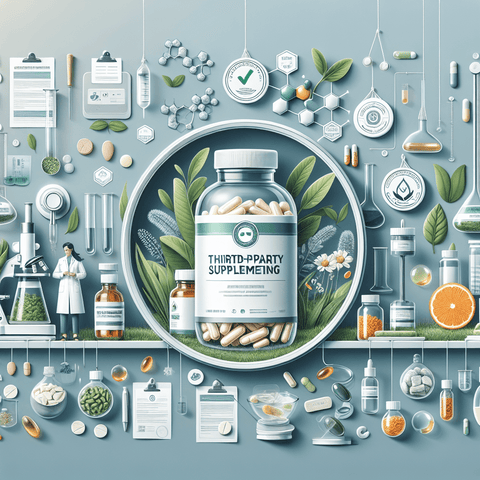
Gli integratori testati da terze parti sono prodotti valutati da un’organizzazione o da un laboratorio indipendente rispetto a criteri come identità degli ingredienti, quantità dichiarate, purezza e presenza di contaminanti. Questa verifica può offrire un’ulteriore informazione sulla qualità del prodotto, ma non dimostra da sola che l’integratore sia adatto a ogni persona o che produca un determinato risultato.
Per scegliere con maggiore consapevolezza, è utile distinguere tra un test indipendente, una certificazione volontaria, un certificato di analisi e la conformità alle buone pratiche di fabbricazione.
Che cosa significa qualità certificata per un integratore?
La qualità di un integratore comprende diversi aspetti: il prodotto dovrebbe contenere gli ingredienti indicati in etichetta nella quantità prevista e rispettare specifici requisiti di purezza e produzione. A seconda del programma, una verifica può includere:
- controllo dell’identità degli ingredienti;
- verifica della quantità o della potenza dichiarata;
- ricerca di contaminanti, come metalli pesanti o microrganismi;
- controllo dell’etichetta e degli allergeni dichiarati;
- valutazione di procedure e stabilimenti di produzione.
Il controllo interno del produttore può essere importante, ma una valutazione di terze parti aggiunge una prospettiva esterna. Non tutti i programmi, però, verificano gli stessi elementi: prima di considerare un marchio una garanzia, è opportuno controllare che cosa certifichi realmente.
Test di terze parti, certificazione e certificato di analisi: le differenze
Questi termini vengono talvolta usati come sinonimi, ma non indicano esattamente la stessa cosa.
- Test di terze parti: un laboratorio o un’organizzazione indipendente analizza un campione secondo determinati criteri.
- Certificazione: un programma definisce requisiti e procedure di verifica e può autorizzare l’uso di un marchio quando i requisiti sono rispettati.
- Certificato di analisi (COA): un documento riporta i risultati di un’analisi su uno specifico lotto. È utile, ma va valutato considerando il laboratorio, la data, il lotto e i parametri misurati.
- Buone pratiche di fabbricazione (GMP): riguardano i processi e i controlli di produzione. La conformità alle GMP non equivale necessariamente a un test completo del prodotto finito.
Un logo sulla confezione non basta da solo: è meglio verificare il programma, l’ambito della certificazione e l’eventuale presenza del prodotto o del lotto nei registri o nei documenti ufficiali dell’organizzazione.
USP, NSF e ConsumerLab: che cosa confrontare?
USP, NSF e ConsumerLab non sono perfettamente equivalenti. I loro programmi possono avere obiettivi, metodi e modalità di pubblicazione dei risultati differenti.
| Programma | Che cosa può indicare | Per chi può essere utile |
|---|---|---|
| USP Verified | Verifica secondo criteri specifici aspetti come identità, quantità, purezza e controlli di produzione. | Chi cerca un riferimento generale per la qualità del prodotto. |
| NSF | Offre programmi con requisiti diversi; NSF Certified for Sport è pensato anche per il controllo di sostanze vietate nello sport. | Chi pratica sport agonistico o deve prestare particolare attenzione alle sostanze proibite. |
| ConsumerLab | Pubblica risultati di test e confronti destinati ai consumatori, secondo le modalità previste dal proprio servizio. | Chi desidera informazioni comparative e risultati di analisi accessibili al pubblico. |
La disponibilità e l’ambito dei programmi possono cambiare. Per questo è consigliabile consultare sempre il sito ufficiale dell’organizzazione e verificare il singolo prodotto, non soltanto il nome del produttore.
Qual è la certificazione migliore per gli integratori?
Non esiste una certificazione migliore in assoluto. USP Verified può essere pertinente per chi cerca una verifica generale di qualità, mentre NSF Certified for Sport è più specifica per chi deve considerare le sostanze vietate nello sport. ConsumerLab può essere utile a chi preferisce consultare risultati e confronti rivolti ai consumatori. La scelta dovrebbe dipendere dai criteri più importanti per il proprio caso.
È meglio NSF o USP?
Dipende dall’obiettivo. USP Verified e i programmi NSF possono valutare aspetti diversi e non sono intercambiabili. Per una scelta generale, confronta i requisiti effettivamente verificati; per uno sportivo, controlla se il programma include la ricerca di sostanze proibite. Il marchio, in ogni caso, non sostituisce il parere di un professionista sanitario.
Come capire se un integratore è di buona qualità
Usa questa checklist prima di acquistare o assumere un prodotto:
- Leggi l’etichetta completa: controlla ingredienti, quantità per porzione, eccipienti, allergeni, avvertenze e modalità di conservazione.
- Cerca una verifica indipendente: individua il nome del programma e verifica sul sito dell’organizzazione che il marchio o il prodotto siano realmente inclusi.
- Richiedi il certificato di analisi: se disponibile, controlla che riguardi il lotto corretto, indichi i metodi o i parametri analizzati e provenga da un laboratorio identificabile.
- Valuta le informazioni sulla produzione: le indicazioni sulle GMP sono utili, ma non devono essere confuse con una certificazione indipendente del prodotto finito.
- Controlla lotto e scadenza: una confezione integra, correttamente conservata e non scaduta aiuta a mantenere le caratteristiche dichiarate.
- Considera le tue esigenze: verifica forma, ingredienti aggiunti, allergeni, preferenze alimentari e formato, come capsule, polvere o liquido.
- Esamina la trasparenza del produttore: informazioni chiare sui controlli, sui contatti e sulla provenienza sono preferibili a promesse generiche.
Che cosa può verificare un test indipendente?
Un test di terze parti può contribuire a verificare che il contenuto corrisponda all’etichetta e a individuare alcune impurità o contaminazioni. Il significato del risultato dipende dal campione analizzato, dai metodi utilizzati, dai limiti applicati e dalla frequenza dei controlli.
La verifica della qualità non dimostra automaticamente l’efficacia clinica dell’integratore. Un prodotto può essere correttamente identificato e privo dei contaminanti ricercati, ma non essere necessario per una persona specifica. Inoltre, un test non elimina tutti i possibili rischi legati a dosaggio, allergie, condizioni di salute o interazioni con farmaci.
Come scegliere vitamine e minerali con maggiore consapevolezza
Gli stessi criteri possono essere applicati a diverse categorie, tra cui integratori di vitamina C, integratori di omega-3, vitamina D e magnesio. Oltre alla verifica indipendente, controlla la forma dell’ingrediente, la quantità per dose, gli ingredienti aggiunti e l’uso previsto.
Per gli omega-3, ad esempio, è utile leggere la quantità dichiarata di EPA e DHA invece di basarsi soltanto sulla quantità complessiva di olio. Per un minerale o una vitamina, la forma e la dose possono influire sulla scelta, ma non è corretto presumere che una forma sia sempre migliore per tutti. Le pagine dedicate a vitamina D e magnesio possono aiutare a confrontare le rispettive categorie, mentre la scelta personale va valutata in base alle proprie esigenze.
Quale azienda di integratori è più affidabile?
Non è possibile indicare un’azienda universalmente più affidabile senza valutare il singolo prodotto e le prove disponibili. Considera la chiarezza dell’etichetta, la tracciabilità dei lotti, la disponibilità di certificati di analisi, i controlli di qualità documentati, le informazioni sugli allergeni e l’assenza di promesse irrealistiche.
Una certificazione valida può essere un elemento positivo, ma non sostituisce la verifica dell’etichetta e dell’idoneità dell’integratore per la persona che lo utilizzerà. Diffida di prodotti che presentano il test di terze parti come prova di efficacia garantita.
Domande frequenti
Come posso verificare se un integratore è stato testato da terze parti?
Controlla la confezione e il sito del produttore per individuare il programma di verifica, poi cerca il prodotto nel registro ufficiale dell’organizzazione quando disponibile. Se viene fornito un COA, verifica lotto, data, laboratorio e parametri analizzati. La semplice dicitura “testato in laboratorio” non chiarisce necessariamente chi abbia eseguito il controllo né che cosa sia stato misurato.
Gli integratori testati da terze parti sono più sicuri?
Possono offrire maggiori informazioni su identità, quantità e purezza e ridurre il rischio di alcuni problemi di contaminazione o di etichettatura. Non sono però privi di rischi e non garantiscono l’assenza di effetti indesiderati, allergie o interazioni. In caso di gravidanza o allattamento, patologie, assunzione di farmaci o uso di dosi elevate, chiedi consiglio a un medico o a un farmacista.
La certificazione garantisce che l’integratore sia efficace?
No. In genere la certificazione riguarda criteri di qualità, produzione o purezza, non garantisce che il prodotto risolva un problema di salute. Anche la necessità di un integratore dipende dall’alimentazione, dall’età, dalle condizioni individuali e dal parere di un professionista.
Che cosa devo fare se sospetto una carenza?
I sintomi sono spesso aspecifici e non permettono di diagnosticare una carenza. Se il problema persiste o peggiora, rivolgiti a un professionista sanitario: può valutare la situazione e, quando appropriato, indicare esami o un’integrazione adeguata. Non aumentare autonomamente le dosi né usare un integratore per sostituire una terapia prescritta.