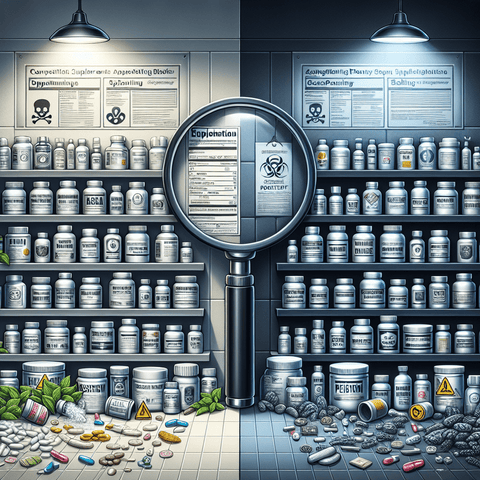
In breve: alcuni integratori prima degli esami del sangue possono alterare un valore misurato o interferire con il metodo usato dal laboratorio. La biotina ad alte dosi è uno degli esempi più noti; anche ferro, vitamina B12, folati, vitamina D, omega-3 ed estratti vegetali possono essere rilevanti in base all’analisi. Comunica sempre ciò che assumi e segui le istruzioni del medico o del laboratorio. Non sospendere farmaci o terapie prescritte autonomamente.
Gli integratori possono influenzare gli esami del sangue?
Sì, ma l’effetto dipende dal prodotto, dalla dose, dal momento dell’ultima assunzione e dal tipo di esame. Un integratore può:
- modificare realmente la quantità di una sostanza presente nel sangue;
- influenzare il parametro che si desidera controllare, per esempio il ferro o la vitamina D;
- interferire con il metodo utilizzato dal laboratorio per ottenere il risultato.
Per questo non esiste un elenco universale di prodotti da sospendere prima di ogni prelievo. La preparazione corretta dipende dall’esame richiesto e dal motivo per cui viene eseguito: controllo generale, ricerca di una possibile carenza o monitoraggio di un trattamento.
Quali integratori segnalare prima del prelievo?
La regola più importante è comunicare al medico e al laboratorio tutti gli integratori e i farmaci assunti, compresi multivitaminici, prodotti per capelli, pelle e unghie, tisane concentrate ed estratti vegetali. Se possibile, porta l’elenco con nome del prodotto, dose indicata in etichetta e orario abituale di assunzione.
Biotina o vitamina B7
La biotina ad alte dosi può interferire con alcuni test immunologici, inclusi determinati esami della tiroide, dosaggi ormonali e alcuni biomarcatori cardiaci. Può essere presente anche in multivitaminici o formulazioni per capelli, pelle e unghie. Segnalala sempre: il laboratorio o il medico stabilirà se occorre modificare temporaneamente l’assunzione e con quale tempistica.
Ferro
Il ferro assunto vicino al prelievo può essere importante quando si misurano ferro sierico e altri parametri dell’assetto marziale. Se l’esame serve a valutare una terapia con ferro, non interromperla di tua iniziativa: mantenere la routine abituale o seguire un orario specifico può essere più appropriato per interpretare il risultato.
Vitamina B12 e folati
L’assunzione recente di vitamina B12 o folati può influenzare la misurazione dei rispettivi livelli ematici. Se stai verificando una carenza o controllando l’effetto di un’integrazione, chiedi al professionista come comportarti prima del test.
Vitamina D
Un integratore di vitamina D può essere rilevante quando si misura la 25-idrossivitamina D e, in alcuni contesti, quando si valutano parametri correlati. Non modificare la dose solo per ottenere un determinato risultato: il medico deve conoscere l’assunzione abituale per leggere il valore nel modo corretto.
Omega-3 e olio di pesce
Gli omega-3 possono essere pertinenti quando si controllano lipidi e trigliceridi. La necessità di sospenderli dipende dall’esame e dal protocollo del laboratorio, quindi chiedi istruzioni invece di interromperli autonomamente.
Estratti vegetali e altri prodotti
Aglio concentrato, curcuma, ginseng, cardo mariano e altri estratti possono avere effetti diversi sull’organismo e interagire con alcuni farmaci. È particolarmente importante segnalarli prima di esami della coagulazione o della funzionalità epatica. Anche vitamine A ed E ad alte dosi devono essere comunicate, soprattutto in presenza di patologie o altri trattamenti.
Cosa non assumere prima degli esami del sangue?
Non sospendere automaticamente tutti gli integratori. In alcuni casi il laboratorio può chiedere di non assumere un prodotto la mattina del prelievo; in altri può essere preferibile mantenere la routine abituale. Evita di iniziare nuovi prodotti, aumentare le dosi o assumere un integratore durante il digiuno senza aver ricevuto indicazioni.
Se hai già assunto un integratore, mangiato o bevuto qualcosa di diverso dall’acqua, informane il personale. Il professionista potrà valutare se il risultato è interpretabile o se l’esame debba essere ripetuto.
Cosa non fare la sera prima degli esami del sangue?
Segui innanzitutto le istruzioni riportate sulla richiesta o fornite dal laboratorio. Se è richiesto il digiuno per gli esami del sangue, chiedi per quante ore deve durare e quali bevande sono consentite. In genere l’acqua naturale è spesso ammessa, mentre bevande zuccherate, succhi, latte e alcol possono interrompere il digiuno; le indicazioni specifiche del laboratorio hanno comunque la precedenza.
- Non consumare alcolici se ti è stato chiesto di evitarli.
- Non fare attività fisica insolitamente intensa, salvo diversa indicazione.
- Non cambiare bruscamente dieta o abitudini di integrazione.
- Non assumere integratori non essenziali durante il digiuno senza chiedere conferma.
- Non sospendere farmaci prescritti senza il parere del medico.
Disidratazione, stress, scarso riposo, esercizio fisico intenso e un digiuno non rispettato possono influenzare alcuni risultati. Presentati possibilmente riposato e comunica al personale eventuali difficoltà a stare a digiuno o sintomi come debolezza e capogiri.
Preparazione al prelievo di sangue: cosa fare
Quando prenoti o ricevi la richiesta
Chiedi se devi essere a digiuno, per quanto tempo e come gestire acqua, farmaci e integratori. Specifica il nome dei prodotti, la dose riportata in etichetta e l’orario in cui li assumi normalmente.
Nei giorni precedenti
Mantieni, salvo diverse istruzioni, abitudini regolari. Evita di assumere dosi elevate per modificare rapidamente un valore o di introdurre nuovi prodotti poco prima dell’esame. Quando il test serve a monitorare una carenza o un trattamento, la continuità della routine può aiutare il medico a interpretare il risultato.
La mattina del prelievo
Rispetta il digiuno richiesto e chiedi al laboratorio come comportarti con i prodotti non essenziali. Porta un elenco aggiornato di farmaci e integratori. Non nascondere un’assunzione fatta per errore: comunicarla è utile per decidere come interpretare il risultato.
Integratori che alterano gli esami del sangue: tabella pratica
| Integratore o sostanza | Esami potenzialmente interessati | Indicazione pratica |
|---|---|---|
| Biotina ad alte dosi | Alcuni test tiroidei, ormonali e biomarcatori cardiaci | Segnalala sempre e chiedi al laboratorio se occorre una pausa |
| Ferro | Ferro sierico e altri parametri dell’assetto marziale | Segui le istruzioni del medico, soprattutto se controlli una terapia |
| Vitamina B12 e folati | Dosaggio dei rispettivi livelli ematici | Chiedi indicazioni se stai valutando una carenza |
| Vitamina D | 25-idrossivitamina D e, in alcuni contesti, parametri correlati | Non modificare l’assunzione senza indicazioni |
| Omega-3 | Profilo lipidico e trigliceridi | Verifica il protocollo del laboratorio |
| Estratti vegetali | Possibili effetti variabili su coagulazione o funzionalità epatica | Comunica sempre prodotto, dose e farmaci assunti |
Un esame del sangue indica quali integratori assumere?
Gli esami possono contribuire a valutare lo stato di alcuni nutrienti, ma non esiste un singolo test capace di stabilire quali integratori siano necessari in generale. La scelta dipende dai risultati, dai sintomi, dall’alimentazione, dall’età, dalla storia clinica e dagli eventuali farmaci.
- In caso di stanchezza o sospetta anemia, il medico può valutare emocromo, vitamina B12, folati e parametri del ferro quando appropriato.
- La 25-idrossivitamina D può essere richiesta in situazioni selezionate.
- TSH e altri esami tiroidei non indicano automaticamente la necessità di assumere iodio o selenio.
- Parametri renali, epatici e metabolici aiutano a completare il quadro clinico, ma non determinano da soli un piano di integrazione.
I sintomi sono spesso aspecifici e non dimostrano da soli una carenza. Se sospetti un deficit o assumi dosi elevate, chiedi una valutazione a un professionista sanitario.
Cosa assumere dopo il prelievo?
Dopo il prelievo, nella maggior parte dei casi puoi riprendere la normale routine secondo le indicazioni ricevute. Bevi acqua e, se avevi digiunato, consuma un pasto equilibrato. Non è generalmente necessario assumere vitamine, minerali o elettroliti soltanto perché hai effettuato un prelievo.
Se avverti debolezza, nausea o capogiri, siediti o sdraiati e informa il personale sanitario. Dopo aver ricevuto i risultati, discuti con il medico se continuare, modificare o interrompere un integratore, soprattutto in caso di ferro, biotina ad alte dosi, estratti vegetali, farmaci o condizioni di salute già note.
Domande frequenti
Quali vitamine non assumere prima degli esami del sangue?
La biotina ad alte dosi è la vitamina più nota per la possibile interferenza con alcuni test. Anche ferro, vitamina B12, folati e vitamina D possono essere rilevanti se l’esame misura proprio quei parametri. Non sospenderli automaticamente: informa il laboratorio e segui le istruzioni relative al test.
Cosa non fare la notte prima degli esami del sangue?
Non modificare bruscamente la dieta o la routine di integrazione, non fare attività fisica insolitamente intensa e non consumare alcol se ti è stato chiesto di evitarlo. Se devi essere a digiuno, rispetta la durata indicata e chiedi quali bevande siano consentite.
Cosa può falsare i risultati degli esami del sangue?
Tra i fattori possibili ci sono integratori e farmaci, digiuno non rispettato, disidratazione, esercizio intenso, stress, scarso riposo e orario del prelievo. Un risultato inatteso non va interpretato isolatamente: il medico può valutarne il contesto e stabilire se ripetere l’esame.
Quali integratori influenzano gli esami del sangue?
Tra quelli da segnalare ci sono biotina ad alte dosi, ferro, vitamine misurate nel test, omega-3 e alcuni estratti vegetali. L’effetto dipende dal prodotto e dall’analisi. Porta l’etichetta o un elenco aggiornato, soprattutto se assumi più prodotti.
Posso bere acqua o assumere farmaci durante il digiuno?
L’acqua naturale è spesso consentita, mentre le bevande caloriche possono interrompere il digiuno. Per i farmaci chiedi sempre al medico o al laboratorio: non modificare autonomamente una terapia prescritta.
Conclusioni
Per ottenere risultati interpretabili, comunica tutti gli integratori prima degli esami del sangue e segui il protocollo del laboratorio. La biotina ad alte dosi merita particolare attenzione, ma anche ferro, vitamine, omega-3 ed estratti vegetali possono essere rilevanti in base al test. Non sospendere terapie autonomamente e chiedi un parere professionale quando assumi dosi elevate, farmaci o hai una condizione di salute.
Per approfondire le caratteristiche degli integratori, puoi consultare la selezione di integratori di magnesio e le informazioni disponibili su Topvitamine.com, senza sostituire il parere medico.